
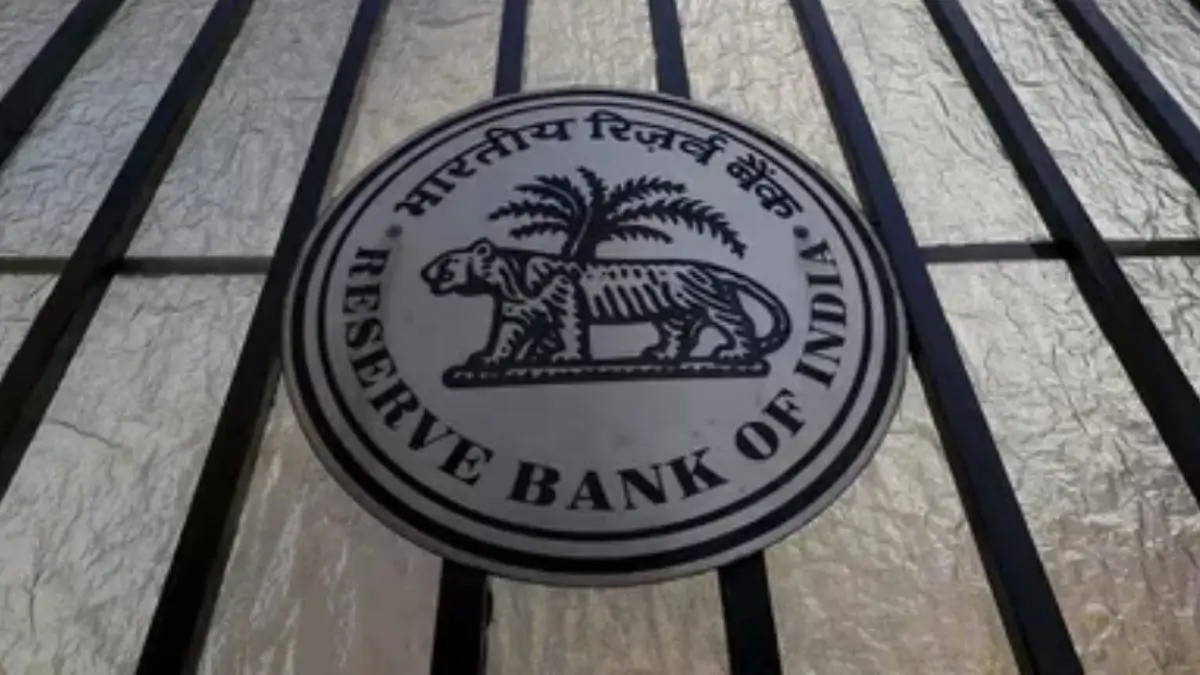
The Reserve Bank of India (RBI) has proposed a set of seven safeguards to strengthen the security of digital payments and give bank customers greater control over their transactions under the RBI Digital Payment Rules 2026. Announced on November 23, 2026, the proposed framework includes an emergency Stop Switch, customised transaction limits, payment-channel controls and approval from a trusted person for certain high-value transfers. It also seeks to broaden the circumstances in which banks may be held responsible for negligence. These are draft proposals, not rules already in force.
Important Clarification: Which Banks Are Covered?
The RBI draft has an important scope limitation which is specifically titled Reserve Bank of India (Payments Banks – Responsible Business Conduct) Third Amendment Directions, 2026. The proposed requirements are directed at Payments Banks, not automatically at every commercial bank or every digital payment provider.
Therefore, the measures should not be described as rules that will immediately apply to all bank customers. Their implementation will depend on the final directions and the institutions covered by them.
RBI Digital Payment Rules 2026: 7 Proposed Safeguards for Digital Payments
The RBI Digital Payment Rules 2026 draft proposes customer-configurable controls, additional authentication and stronger bank accountability. The seven key safeguards are explained below.
1. Emergency Stop Switch to Block Outgoing Payments
The Stop Switch would allow the customers to immediately disable all future customer-initiated outgoing debit transactions associated with their accounts.
However, the Stop Switch would not block ongoing recurring payment mandates, standing instructions or certain bank-initiated debits, such as loan instalments and bank charges.
2. Customised Transaction and Beneficiary Limits
Customers would be able to set or modify maximum transaction limits through digital payment channels.
The proposed controls include,
- Per-transaction limit: Set a maximum amount for an individual transaction.
- Beneficiary-level limit: Restrict payments to a particular beneficiary.
- Channel-level daily limit: Set a maximum daily transaction amount for an individual payment channel
3. Aggregate Daily Limit Across Payment Channels
Customers would also be able to set an overall daily transaction limit covering all available digital payment channels combined.
This is different from setting individual limits for UPI, cards or other payment channels. It would allow customers to control the total amount transferred digitally from their accounts in a day.
4. Option to Disable Payment Channels and Set Time Restrictions
The draft proposes allowing customers to switch individual digital payment channels on or off.
Customers would also be able to specify time windows during which selected payment channels remain disabled.
5. Digital Payment Channels Disabled by Default for New Customers
Under the new proposal digital payment channels would remain disabled by default when a customer opens an account. They could be activated only after the customer provides explicit consent and completes the required authentication.
For other digital payment channels, banks would also have to apply an initial transfer ceiling for the first 24 hours after activation, based on their risk assessment.
6. Trusted Person Approval for High-Value Transfers
The proposed Trusted Person Mechanism (TPM) would allow customers to voluntarily nominate an individual aged 18 years or above to provide an additional layer of authentication for specified high-value transfers.
Important exclusions: The draft excludes UPI-initiated fund transfers, merchant payments and recurring payments made through standing instructions, e-mandates or NACH mandates from the Trusted Person Mechanism.
The trusted person would not become a joint account holder or gain access to the customer’s account balance, deposits or investments. Their role would be limited to transaction authentication.
7. Expanded Definition of Bank Negligence
The RBI has proposed expanding the definition of the negligence by a Payments Bank (PB) to include the specific failures that contribute to fraudulent electronic banking transactions.
This proposal seeks to strengthen institutional accountability when a bank’s failure contributes to a fraudulent transaction.
When Could the Proposed RBI Directions Come Into Effect?
The RBI draft specifies different implementation timelines for the proposed amendments.
| Provision | Proposed effective date |
| Specified negligence-related provisions | January 1, 2027 |
| Other provisions of the draft directions | July 1, 2027 |
| Earlier implementation | Permitted if a Payments Bank chooses to implement them earlier |
How Could These Changes Benefit Customers?
| Proposed safeguard | Potential benefit |
| Stop Switch | Quickly blocks customer-initiated outgoing payments |
| Transaction limits | Restricts the amount that can be transferred |
| Beneficiary limits | Controls payments to selected recipients |
| Aggregate daily limit | Helps manage total digital transfers |
| Channel and time controls | Disables unused payment facilities |
| Default-disabled channels | Reduces exposure during initial account use |
| Trusted Person Mechanism | Adds an approval layer for specified high-value transfers |
| Expanded negligence definition | Strengthens bank accountability for specified failures |






 SBI, HDFC, ICICI Retain D-SIB Status 202...
 Rahul Madan Named IBBI Chairperson: Prof...
 RBI Announces ₹13,345 Redemption Price...