
India is one of the world’s megadiverse countries, rich in ecosystems, wildlife and traditional ecological knowledge. To conserve unique ecological landscapes and protect areas of biological, cultural and environmental significance, India introduced the concept of Biodiversity Heritage Sites (BHS) under the Biological Diversity Act, 2002.
These sites preserve ecosystems that are ecologically fragile, biologically rich and culturally important for present and future generations.
As per the National Biodiversity Authority (NBA), India has 54 Biodiversity Heritage Sites (BHS) as of March 2026.
What are Biodiversity Heritage Sites (BHS)?
Biodiversity Heritage Sites (BHS) are well-defined geographical areas that possess unique biodiversity values and are important for conservation.
These sites may include:
- Terrestrial ecosystems
- Coastal ecosystems
- Inland water ecosystems
- Marine ecosystems
BHS areas protect biological diversity while also preserving traditional and cultural connections with nature.
Features of Biodiversity Heritage Sites
A site may qualify as a BHS if it contains one or more of the following:
- Rich diversity of wild and domesticated species
- High endemism
- Rare and threatened species
- Keystone species
- Species of evolutionary importance
- Wild ancestors of cultivated plants
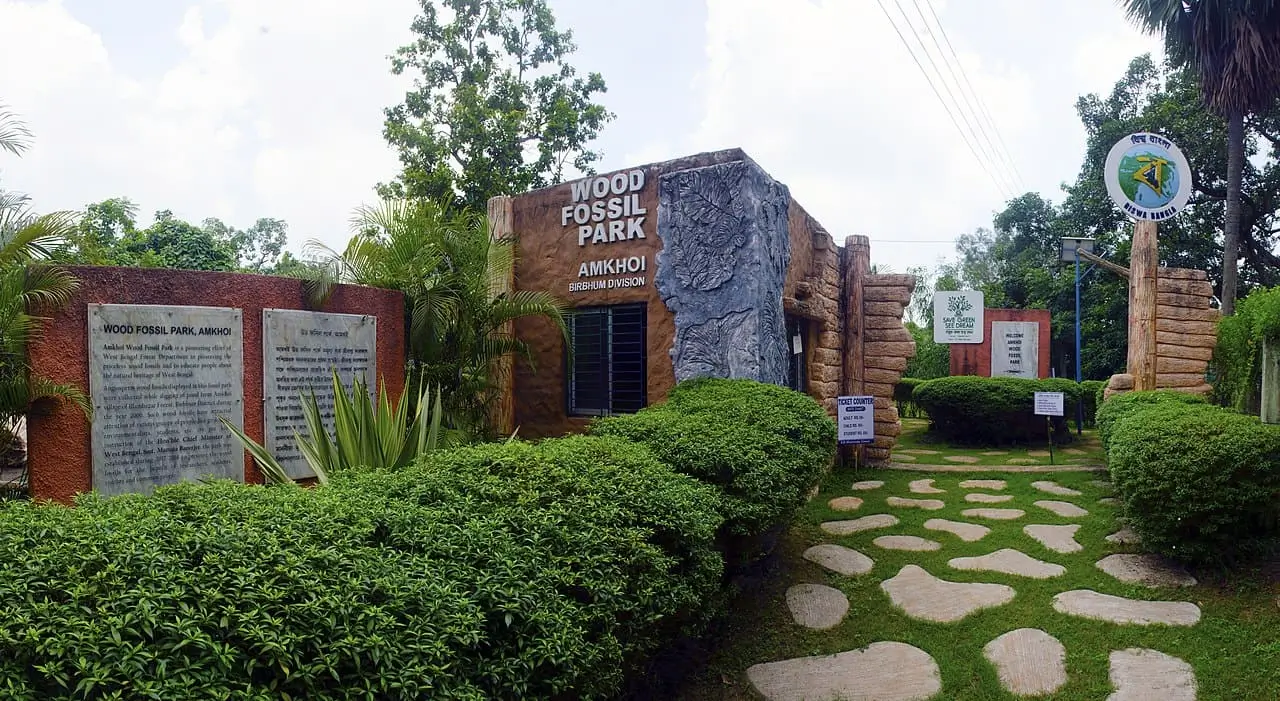
- Fossil-rich landscapes
- Areas with cultural, ethical or aesthetic importance
- Ecosystems linked with traditional communities
Biodiversity Heritage Sites Under the Biodiversity Act, 2002
Biodiversity Heritage Sites are provided under Section 37 of the Biological Diversity Act, 2002.
Key provisions include:
- State Governments have authority to declare BHS
- Consultation with local bodies is mandatory
- Recommendations may come from Biodiversity Management Committees
- Conservation rules are framed by State Governments in consultation with the Central Government
- States may provide compensation or rehabilitation if local livelihoods are affected
India’s First Biodiversity Heritage Site
India’s first Biodiversity Heritage Site was:
Nallur Tamarind Grove, Karnataka (Declared in 2007)
This marked the beginning of India’s formal recognition of biologically significant local ecosystems.
List of Biodiversity Heritage Sites in India (As of March 2026)
India currently has 54 Biodiversity Heritage Sites spread across multiple states.
Major BHS include:
- Nallur Tamarind Grove – Karnataka
- Hogrekan – Karnataka
- University of Agricultural Sciences, Bengaluru – Karnataka
- Ambaraguda – Karnataka
- Glory of Allapalli – Maharashtra
- Tonglu BHS – West Bengal
- Dhotrey BHS – West Bengal
- Dialong Village – Manipur
- Ameenpur Lake – Telangana
- Majuli – Assam
- Ghariyal Rehabilitation Centre – Uttar Pradesh
- Mandasaru – Odisha
- Gupteswar Forest – Odisha
- Mahendragiri Hill – Odisha
- Gandhamardan Hill – Odisha
- Patalkot – Madhya Pradesh
- Asramam, Kollam – Kerala
- Bambarde Myristica Swamps – Maharashtra
- Garo Hills – Meghalaya
- Arittapatti Biodiversity Heritage Site – Tamil Nadu
- Inland Mangrove of Guneri – Gujarat
- Elathur Lake – Tamil Nadu
- Nagamalai Hillock – Tamil Nadu
- Canary Pahad – Jharkhand
- Mawtneng – Meghalaya
Nallur Tamarind Grove, Karnataka
Nallur Tamarind Grove became India’s first Biodiversity Heritage Site.
Important Features:
- Spread across 54 acres
- Contains nearly 300 tamarind trees
- Believed to date back to the Chola period
- Represents exceptional plant diversity
Its giant ancient trees make it an ecologically and visually unique landscape.
Hogrekan Biodiversity Heritage Site, Karnataka
Hogrekan is known for:
- Unique Shola vegetation
- Rich medicinal plant diversity
- Grassland ecosystems
The site also acts as a wildlife corridor between Kudremukh and Bhadra Wildlife Sanctuary.
Ambaraguda Biodiversity Heritage Site, Karnataka
This site is located between:
- Sharavathi Wildlife Sanctuary
- Someshwara Wildlife Sanctuary
It preserves:
- Primitive Western Ghats vegetation
- Shola forests
- Grassland ecosystems
Glory of Allapalli, Maharashtra
This reserved forest is protected for its:
- Biological value
- Historical importance
- Ethnobotanical significance
It remains one of Maharashtra’s important conservation landscapes.
Ameenpur Lake, Telangana
Ameenpur Lake became India’s first water body to receive Biodiversity Heritage Site status.
Major Highlights:
- More than 300 years old
- Human-made lake
- Habitat for migratory birds
Bird species include:
- Flamingos
- Egrets
- Herons
- Kingfishers
- River Terns
Majuli Biodiversity Heritage Site, Assam
Majuli is one of the world’s largest river islands.
Importance:
- Located in the Brahmaputra River
- Rich ecological diversity
- Strong cultural heritage
It combines both environmental and traditional values.
Arittapatti Biodiversity Heritage Site, Tamil Nadu
Arittapatti gained recognition due to:
- Around 250 bird species
- Presence of important raptors
Notable species:
- Laggar Falcon
- Shaheen Falcon
- Bonelli’s Eagle
- Indian Pangolin
- Slender Loris
Mahendragiri Hill Biodiversity Heritage Site, Odisha
Mahendragiri Hill lies at 700–1501 metres elevation.
Major Features:
- Tropical Shola forests
- Semi-evergreen forests
- Moist deciduous forests
- Rich floral diversity representing nearly 40% of Odisha’s flora
The site also contains ancient temples and receives thousands of pilgrims annually.
Gupteswar Forest Biodiversity Heritage Site, Odisha
Gupteswar Forest is spread across 350 hectares.
Highlights:
- Located near Gupteswar Shiva cave temple
- Part of the Eastern Ghats
- Rich in medicinal plants
Key Fauna:
- Mugger Crocodile
- Kanger Valley Rock Gecko
- Common Hill Myna
Key Flora:
- Indian Trumpet Tree
- Indian Snakeroot
- Cumbi Gum Tree
- Garlic Pear Tree
Yaya Tso Lake: Proposed Biodiversity Heritage Site
Yaya Tso Lake in Ladakh has been proposed for BHS recognition.
Major Features:
- Located at 4,820 metres above sea level
- Important breeding ground for birds
Species found:
- Black-necked Crane
- Bar-headed Goose
- Brahminy Duck
The lake is popularly called “Birds’ Paradise.”
Importance of Biodiversity Heritage Sites
BHS contribute to:
- Biodiversity conservation
- Protection of endemic species
- Preservation of traditional knowledge
- Ecotourism development
- Community participation in conservation








 Guava Capital of India: Which Place Is K...
 7 Most Beautiful Train Stations in the W...
 World Architecture Day 2026: 8 Clever Fe...










