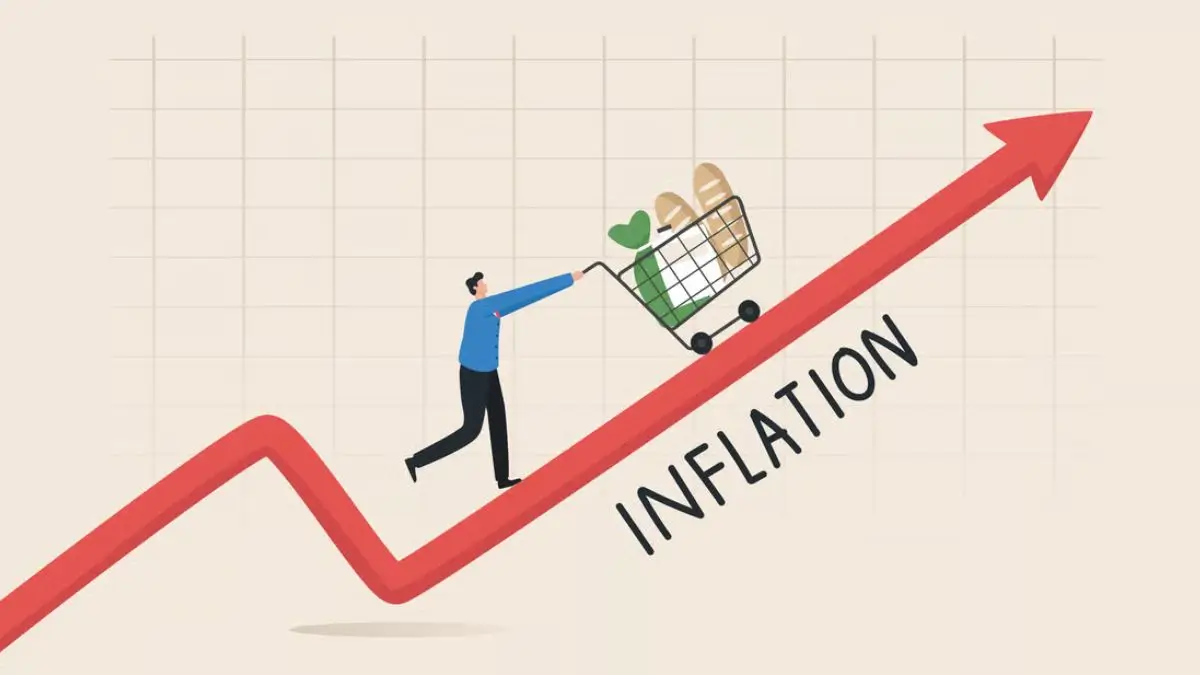
The Consumer Price Index (CPI) rise to 3.93% in May 2026 from 3.48% in April according to the released by the Ministry of Statistics and Programme Implementation (MoSPI) on 2th of June, 2026. This increase mainly driven by the rising food prices, particularly vegetables and other essential commodities. Food inflation climbed to 4.78% in May, as the higher fuel prices have also contributed to the increased transportation costs. Although the retail inflation remains within the Reserve Bank of India’s range.
What Pushed Inflation Higher in May?
The primary reason behind the rise in the retail inflation was the increase in to the food prices across the several categories.
Food inflation rose from 4.20% in April to 4.78% in the month of May. Prices of the vegetables specially tomatoes has recorded the sharp increases.
Fuel price revisions during the month also added the pressure on to the transportation costs which contributed to the overall inflation rise.
Despite these increases, some commodities such as the potatoes and peas continued to witness the price declines and helping partially offset the inflationary impact.
Key Highlights of May 2026 Inflation Data
- Retail inflation increased to around 3.93% in May from 3.48% in April.
- Food inflation rose to the 4.78%.
- Food and beverages inflation stood at a 4.55%.
- Rural inflation has reached to 4.25%.
- Urban inflation stood at 3.53%.
- Tomato inflation also surged to 48.43%.
- Ginger inflation increased to around 32.49%.
- Transport inflation has also rose to 1.75%.
- State of Telangana has recorded the highest inflation among major states at the 6.15%.
- RBI raised also the its FY27 inflation forecast to 5.1%.
Food Prices Become the Biggest Concern
Food inflation continues to be the most important component part to influencing the India’s inflation trajectory.
Among the list of major food items, tomatoes recorded inflation of 48.43% in May compared to the 35.26% in April. Ginger prices has also remained elevated which reflecting the supply-side pressures.
However, not all the food items witnessed price increases. Potatoes and peas remained in to the deflationary territory and helping to moderate the overall food inflation rate.
The rise in the food prices is particularly significant because food carries the substantial weight in India’s Consumer Price Index basket and directly affects the household spending patterns.
Rural India Faces Higher Inflation Than Cities
One important trend in the latest inflation data is the continued gap between rural and urban inflation.
Rural inflation has also increased to 4.25% in May while the urban inflation stood at 3.53%.
Several factors contribute to the higher rural inflation,
- Greater dependence on to the food consumption.
- Transportation costs also affecting the agricultural markets.
- Supply chain disruptions in the certain regions.
- Seasonal fluctuations in agricultural output.
Higher rural inflation can also impact the household savings, consumption patterns and rural demand which plays the crucial role in India’s economic growth.
State-Wise Inflation
States with Highest Inflation
- Telangana – 6.15%
- Tamil Nadu – 5.11%
- Puducherry – 5.00%
- Andhra Pradesh – 4.90%
- Karnataka – 4.59%
Odisha – 4.54%
States with Lowest Inflation
- Delhi – 2.50%
- Tripura – 2.02%








 India’s Retail Inflation Rises to 5.54...
 IMF Raises India’s FY27 GDP Growth For...
 GST Council Removes Arrest Powers of Tax...