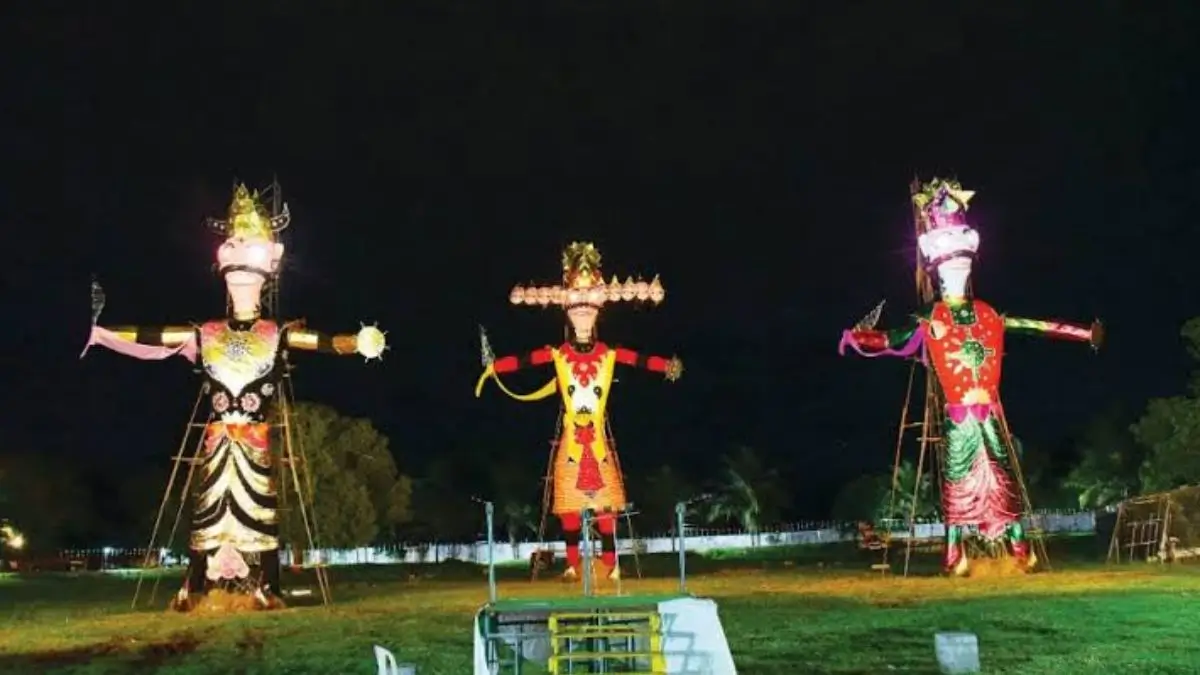
Dussehra, which can be alternatively called Vijayadashami or Dasara, is observed all over India in different kinds of religious observances, folk dances and processions. Although it is generally believed that Dussehra is a celebration of the victory of Lord Rama over demon king Ravana, it is also observed in many places as the victory of Goddess Durga over Mahishasura. Examples of some traditional celebrations include Dussehra at Mysuru, Durga Puja in West Bengal, deities’ processions in Kullu, and tribal observances in Bastar.
1. Durga Puja and Vijaya Dashami in West Bengal
In West Bengal, Dussehra falls on the occasion of Vijaya Dashami that marks the end of Durga Puja. The festival is celebrated for the victory of Goddess Durga over Mahishasura, signifying good defeating evil.
Pandals adorned with intricate designs, idols of the deity, devotional music and feasts are some important components of the celebration. In the last day of the event, many worshippers perform sindoor khela and take out idol in a procession to immerse it.
Cultural significance: Durga Puja of Kolkata was added to the UNESCO’s list of intangible cultural heritage in 2021.
2. Mysuru Dasara in Karnataka
Mysuru Dasara is marked with royal grandeur, the lighting of the palace, cultural shows and the celebrated Jamboo Savari procession. The festival is dedicated to Goddess Chamundeshwari, an incarnation of Goddess Durga who defeated Mahishasura.
The procession consists of an elephant decorated with the idol of the deity along with tableaus and performers playing devotional music and other participants. Mysuru Dasara has royal history since the 1610.
Important fact: The name Mysuru is connected with the demon Mahishasura, and the presiding deity is Chamundeshwari.
3. Madikeri Dasara in Karnataka
The city of Madikeri in Karnataka’s Kodagu district has its own unique version of Dasara, combining religious rituals with folk customs. The festival involves karaga processions, where dancers perform carrying decorated platforms related to worship of local goddesses.
It is associated with some local temples and includes folk performances and colorful tableaux. The nature of the celebration is different from Mysuru Dasara.
4. Garba and Navratri in Gujarat
In Gujarat, the nine days of Navratri festival involve devotion to worship, as well as vigorous performances of dances called Garba and Dandiya Raas. Participants assemble in their traditional clothes, forming a circle around an icon or symbol of the Goddess.
Garba dance is not just only an expression of the devotion but also an integral part of the culture of the state of Gujarat. It was included into the list of the Intangible Cultural Heritage of Humanity of UNESCO in 2023. The Navratri festival ends with Vijayadashami.
5. Kullu Dussehra in Himachal Pradesh
Kullu Dussehra is unique in that its main festivities take place after Vijayadashami. The one-week-long fair is focused on Lord Raghunath, an incarnation of Lord Rama, with hundreds of local gods from all over the valley coming to it in their palanquins and chariots.
Devotees come to Dhalpur Maidan for processions and musical and cultural activities. The festival is based on religious traditions of the area and patronage of its kings throughout the history.
What is so special about it? In contrast to many other Dussehra festivals, Kullu’s special ritual activity is the gathering of local gods and reverence of Lord Raghunath, but not the burning of the effigy of Ravana.
6. Ravan Dahan and Ramlila in Delhi
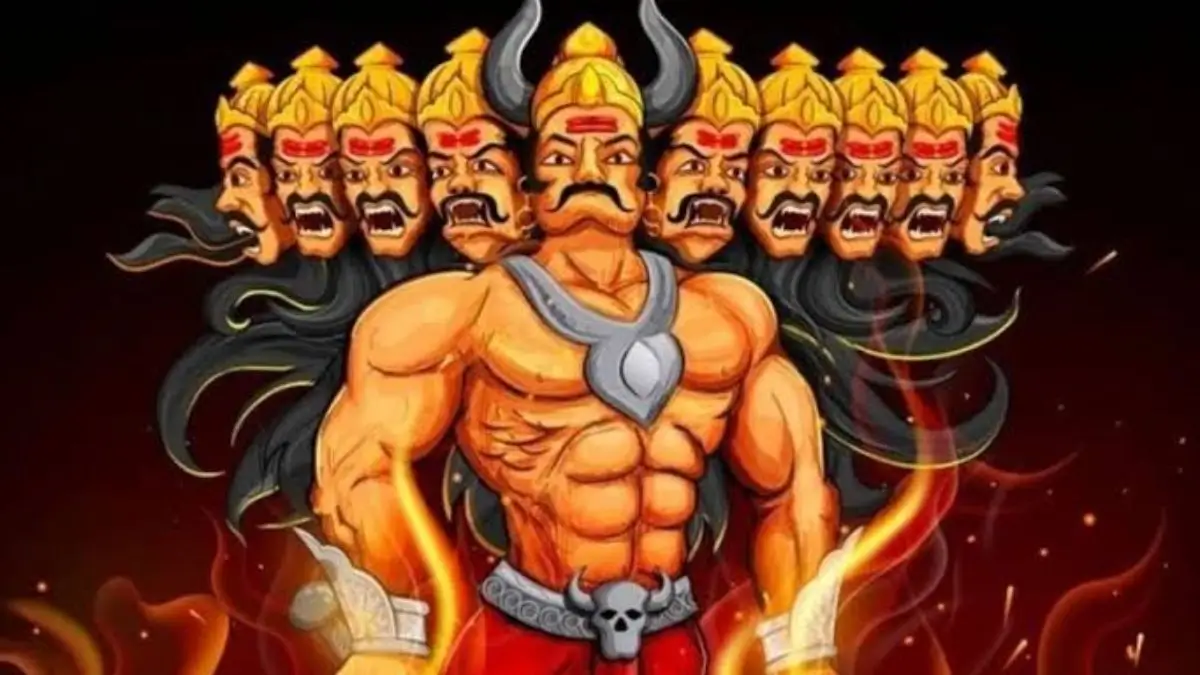
In Delhi, Dussehra is usually associated with the staging of Ramlilas and Ravan Dahan. Ramlila depicts scenes from the Ramayana, including the fight between Rama and Ravana. On Vijayadashami, traditionally huge effigies of Ravana, Meghnad and Kumbhakarna are burned in public.
It is the combination of religious story-telling, theatrical performance and communal festivities. The burning of effigies represents the victory of righteousness over evil.
7. Ramlila of Ramnagar, Uttar Pradesh
Ramnagar Ramlila, celebrated on the other side of the river Ganga in the Varanasi region, is amongst India’s most famous traditional drama-based renditions of the Ramayana. Instead of just one stage, this performance takes place at several places according to the scenes from the epic.
Ramlila makes use of dialogue, devotional songs, costumes, and processions to tell the story. This traditional performance form is distinguished by the active involvement of the community and is related to the Ramcharitmanas composed by Tulsidas in the 16th century.
The tradition of Ramlila – traditional performance of the Ramayana – was recognized by UNESCO and included in the list of Intangible Cultural Heritage in 2008.
8. Jagrata and Kanjak/Puja in Punjab
Jagrata is an aspect of the celebration of Navratri and Vijayadashami in Punjab, when people stay awake during the night singing hymns devoted to the Goddess.
Kanjak or Kanya Puja involves worshipping little girls as embodiments of divinity. Little girls are invited into the house for prayers and offered gifts.
9. Bommai Kolu in Tamil Nadu
Bommai Kolu or Golu is celebrated in Tamil Nadu as part of Navaratri. This involves display of dolls/figurines arranged on multiple shelves.
They could be figures of Hindu gods and goddesses or figures depicting stories of Ramayana and Mahabharata. Other themes could be historic personalities, life of village people, common professions etc.
Relatives and neighbours are invited to see the display and participate in singing of devotional songs and consuming of traditional foods. The number of tiers is not restricted and varies from family to family.
This festival is observed in other parts of southern India such as Bommala Koluvu in Andhra Pradesh and Bombe Habba in Karnataka.
10. Dussehra Mela in Kota, Rajasthan
The Dussehra Mela held in Kota involves both religious festivities and a big mela/fair involving performance of rituals. It has Ramlila, burning of the effigy of Ravana along with folk dances, crafts and other cultural performances.
It serves as an opportunity for local artists, performers and businessmen thus making it a social and economic event besides being a religious festival. Programmes may vary from one year to another.
11. Bathukamma in Telangana
Bathukamma is a significant flower festival of Telangana. This festival is celebrated in the Navratri period by arranging flowers into colorful tiers or Bathukammas and singing traditional songs around them while dancing.
Bathukamma festival celebrates the Goddess and highlights the connection between the people’s lives, seasonal flowers, and their regional identity. The Bathukamma festival ends with a concluding function where the Bathukammas are traditionally immersed in water.
Bathukamma festival takes place during the Navratri and Dussehra festival season but it has its own distinct customs and should not be considered as just another name for Dussehra.
12. Bastar Dussehra in Chhattisgarh
Bastar Dussehra, which is celebrated in Jagdalpur in Chhattisgarh, is one of the unique regional festivals of India. It lasts for about 75 days and is based on the worship of Maa Danteshwari and religious customs of Bastar region. The history of Bastar Dussehra can be dated back to 15th century.
It involves a series of rituals, processions, participation of local communities, and unique rituals such as Muria Darbar. Deities and the tribal culture play a crucial role in the celebration.



 Ravana in the Ramayana: 10 Facts About t...
 History of Student Protests in France: F...
 Why Is Limoges Famous? Porcelain, Kaolin...