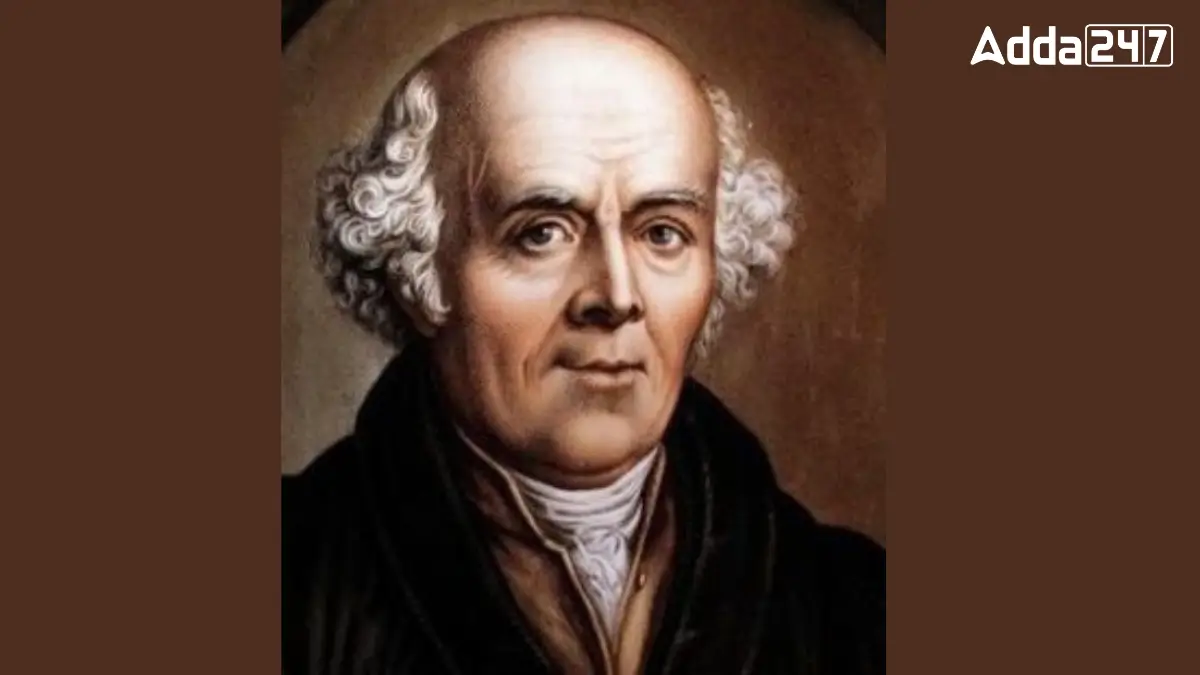
Homeopathy is a unique system of medicine that focuses on natural healing. It uses every small amounts of substances to help the body recover from illnesses. This method is based on the idea that a substance causing symptoms in a healthy person can treat similar symptoms in a sick person. It was developed by a brilliant doctor who wanted a safer and gentler way to treat diseases.
Founder of Homeopathy
Homeopathy is an alternative system of medicine created by Christian Friedrich Samuel Hahnemann, a German doctor. He believed that illnesses could be treated using tiny doses of substances that produce similar symptoms in healthy people, a principle called “like cures like.” Developed in the late 18th century, homeopathy was Hahnemann’s response to the dangerous medical practices of his time, such as bloodletting and using toxic medicines, offering a gentler way to treat patients.
Early Life of Samuel Hahnemann
Sameul Hahnemann was born on April 10, 1755, in Meissen, Saxony (now Germany). His father was a painter who worked with porcelain. Hahnemann was very intelligent and learned many languages including English, French, Latin, Greek and Arabic.
He studied medicine at Leipzig University but later moved to Vienna for more medical training. In 1779, he earned his medical degree from the University of Erlangen.
Medical Career and Dissatisfaction with Medicine
After becoming a doctor, Hahnemann worked in different places in Germany. However, he soon became unhappy with the medical treatments of his time. Many doctors used harmful methods like bloodletting, purging and toxic medicines, which often made patients worse instead of better.
Because of this, Hahnemann stopped practicing medicine and started working as a translator of medical books. While translating, he came across a book that changed his thinking about medicine.
The Discovery of Homeopathy
While translating a medical book by William Cullen, Hahnemann read about a tree bark called cinchona, which was used to treat malaria. He decided to test it on himself and noticed that it produced malaria-like symptoms in his healthy body. This led him to a new idea:
A substance that causes symptoms in a healthy person can cure the same symptoms in a sick person.
This idea became the foundation of homeopathy.
Development of Homeopathy
Hahnemann began testing different substances on himself and others. He recorded the effects and created a system called potentization, where substances were diluted many times to reduce their harmful effects while keeping their healing properties.
In 1810, he published his famous book, “The Organon of the Healing Art,” which explained the principles of homeopathy. He continued to develop and promote homoeopathy throughout his life.
Later Life and Death of Samuel Hahnemann
Hahnemann moved to Paris in 1835, where homeopathy became popular. He continued treating patients and writing about homeopathy until his death on July 2, 1843. Today, his tomb is in Pere Lachaise Cemetery in Paris.


 Which Place is known as the Onion Hub of...
 Who were the Seven Sisters of Petroleum?...
 What is the State Flower of Florida? Che...