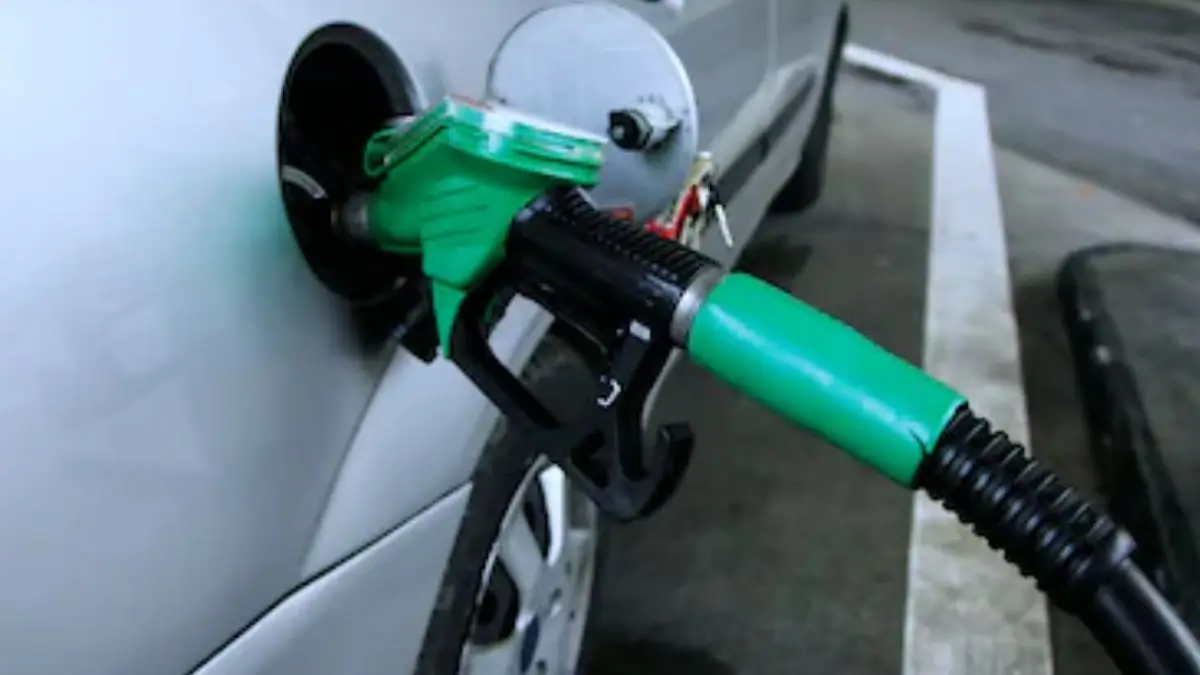
India has notified the new technical standards for petrol blended with up to 30% ethanol. This move signals the government long term roadmap beyond the current E20 ethanol blending target. Also E30 will not be launched immediately but India is preparing for the next phase of the biofuel adoption.
India Notifies Standards for E22, E25, E27 and E30 Petrol Blends
The Bureau of Indian Standards (BIS) has officially notified the specifications for higher ethanol-petrol blends, including the,
- E22
- E25
- E27
- E30
These standards defines the technical requirements for blending anhydrous ethanol with motor gasoline for use in the positive ignition engine-powered vehicles, which generally refers to the petrol vehicles.
This is a preparatory regulatory step and it is not an immediate nationwide rollout.
That means fuel stations will not instantly start to selling the E30 petrol.
What Does E30 Fuel Actually Mean?
The reasoning behind this name is simple.
E30 means that petrol containing 30% ethanol and 70% conventional gasoline.
Similarly
- E20 = 20% ethanol
- E25 = 25% ethanol
- E85 = 85% ethanol
Ethanol is an alcohol-based biofuel which is typically produced from agricultural feedstocks such as sugarcane, maize and other biomass sources.
Why India Is Moving Beyond E20
For the country’s larger energy strategy Ethanol mission plays the crucial role. Initially the government had planned to achieve the 20% ethanol blending target by 2030 but after successful outcome it has accelerated the 2025-26.
After announcing the new blending targets is showcases the confidence of the government policy.
Now, the preparations for higher blends suggest confidence in expanding the program further.
The key policy goals includes the,
- Reducing Crude Oil Imports
- Supporting Indian Agriculture
- Lowering Transport Emissions
This will supports the India’s climate and clean mobility commitments.
Will Existing Vehicles Be Compatible?
This is one of the major practical concerns.
To moving beyond E20 requires vehicle compatibility.
Higher ethanol concentrations can affect the,
- Engine components
- Fuel lines
- Combustion performance
- Cold-start behaviour in some climates
Automobile manufacturers are already working on to the flex-fuel vehicles, which are designed to operate on the multiple ethanol blend levels.
What About E85?
The government is reportedly also evaluating the E85 fuel, which contains 85% ethanol.
This would represent the much larger shift towards the biofuel mobility.
But E85 adoption would require a stronger flex-fuel vehicle ecosystem and need the more advanced infrastructure compared to E30.








 PM GatiShakti Completes Five Years: Obje...
 President Droupadi Murmu Appoints Six Go...
 Jantar Mantar Denotified as Protest Site...