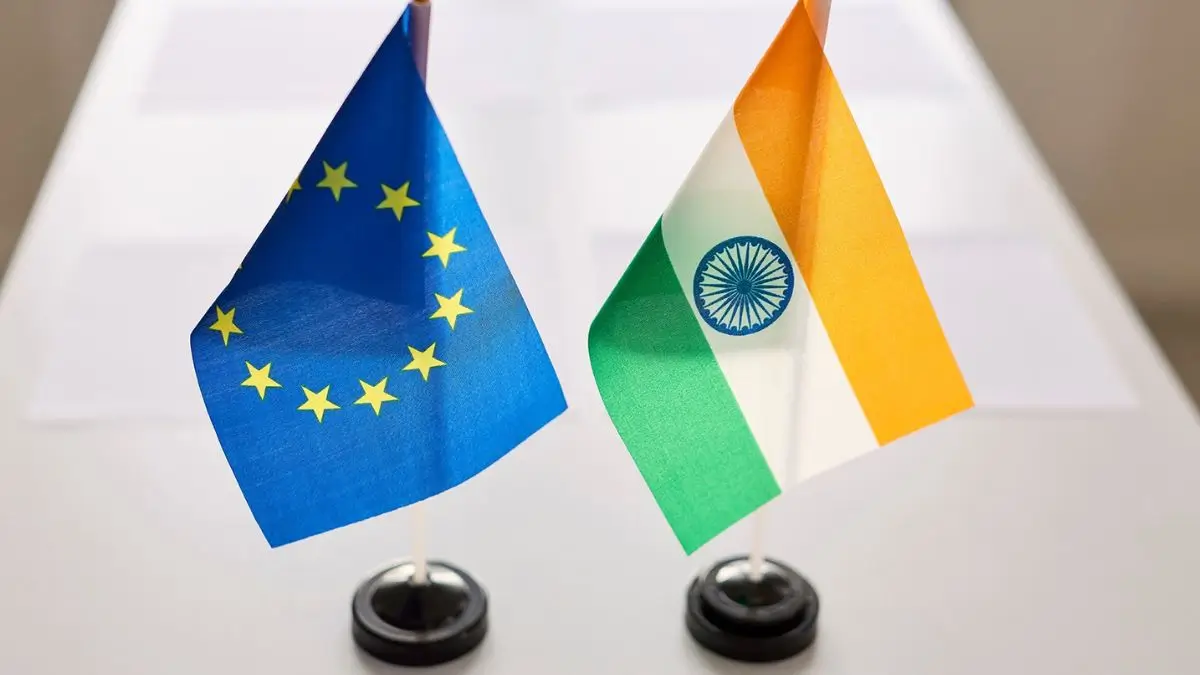
India has achieved the milestone as it secured the continued market access to the European Union (EU) for the aquaculture products, honey, eggs, and animal casings beyond the September 2026. This development comes after the EU has amended the its regulatory framework to address the concerns related to antimicrobial resistance (AMR). Inclusion of India in list of authorized exporting countries ensures the uninterrupted access to one of the world’s largest and most lucrative markets.
India Secures The Authorization Under Revised EU Regulations
The European Union has amended the its import regulations through Commission Implementing Regulation (EU) 2026/1189, it will updates the Regulation (EU) 2021/405.
This revised framework introduces the additional requirements for countries who exporting specified animal-origin products to the EU. These changes are also aimed at to strengthening food safety standards and addressing the growing concerns regarding antimicrobial resistance (AMR).
India’s successful inclusion in the list of authorized countries states that the exports of aquaculture products, eggs, honey and animal casings can continue without disruption after the September 2026.
Why the Decision is Important for India
The European Union is one of the India’s key export destinations for the agricultural and marine products.
This latest decision provides certainty to exporters and it will helps to protect a substantial volume of trade. It also demonstrates the confidence of the European regulators in India’s food safety and inspection systems.
The approval is expected to support the export growth and it strengthen India’s presence in international markets along with it create new business opportunities for producers and exporters.
Major Relief for India’s Fisheries Sector
The fisheries sector will be expected to one of the biggest beneficiaries of this decision.
According to the government data, India’s exports of the fish and fishery products to the European Union are currently valued at approximately around USD 1.59 billion.
With the continued access to the EU market will help the Indian seafood exporters maintain existing trade flows while exploring the several opportunities for further expansion in the European markets.
The decision also safeguards the livelihoods of millions of the people who are associated with the fisheries value chain which including fishermen, processors, exporters and logistics providers.
Continued Collaboration to Meet EU Standards
The Government of India has also stated that it will continue working closely with the industry stakeholders to ensure compliance with the updated requirements.
Key organizations involved includes the,
- Export Inspection Council (EIC)
- Marine Products Export Development Authority (MPEDA)
- EU-approved processing establishments
- Regulatory authorities
What is the Export Inspection Council (EIC)?
The Export Inspection Council (EIC) is the India’s official export certification body which is established under the Export (Quality Control and Inspection) Act, 1963.
Key Functions
- The quality control and inspection of export products
- Certification for the international markets
- Monitoring compliance with the importing country regulations
- Strengthening food safety standards
- Facilitating export market access







 India Hosts First BIMSTEC Home Ministers...
 World Bank Mobilises $112 Billion in Pri...
 Who Is Katie Zacharia? Trump Names New W...