
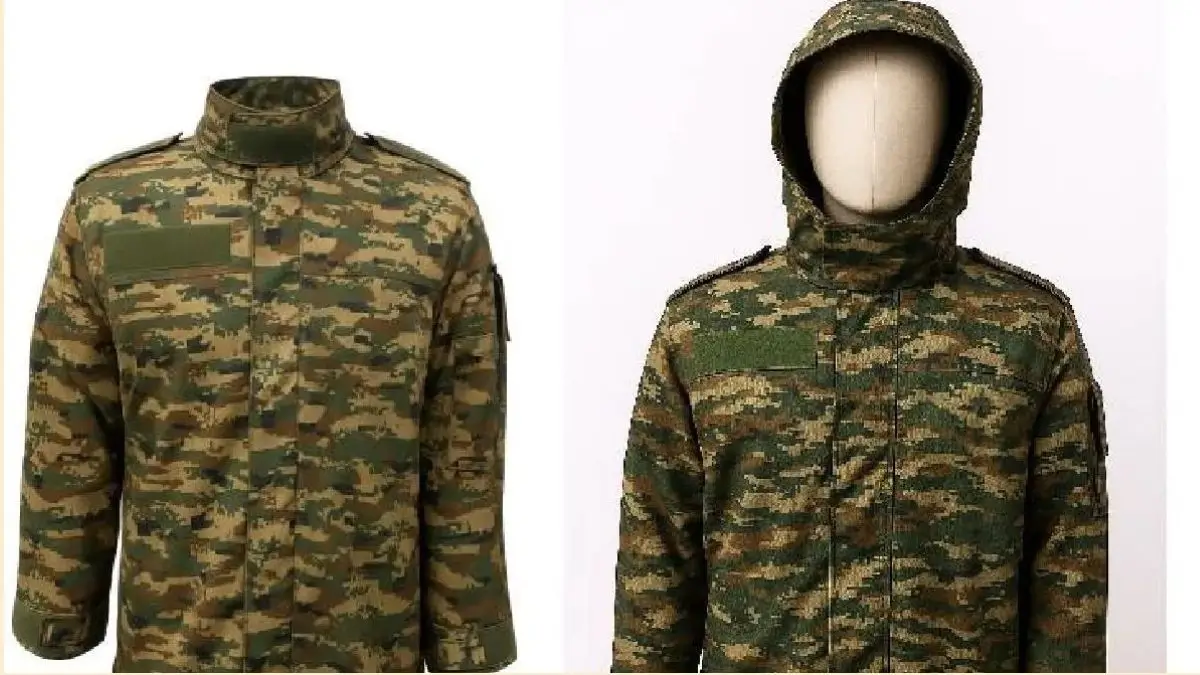
In a significant step towards the modernization and indigenization, the Indian Army has introduced the its updated dress regulations manual, Army Uniforms-2026.
The new 174-page manual replaces the several colonial-era practices with the indigenous elements and it introduces the updated grooming standards, formal wear options and a new winter uniform.
This reforms highlights the Army’s effort to align the its traditions with the contemporary Indian values while maintaining the discipline, professionalism and prestige which associated with one of the world’s largest armed forces.
What Is Army Uniforms-2026?
Army Uniforms-2026 is the latest dress regulation manual that is issued by the Indian Army. It released eight years after the previous edition and this document focuses on modernization, standardization, and indigenization of military attire.
This revised regulations seek to remove the remnants of British-era military customs and it introduce dress practices that better reflect India’s cultural identity.
The changes affects the officers, junior commissioned officers (JCOs) and the other ranks across various ceremonial, formal and operational settings.
Why Has the Indian Army Revised Its Uniform Regulations?
The primary objective behind the new regulations is to eliminate colonial-era traditions and strengthen indigenous military identity.
Over the last years, the government and armed forces have undertaken to the several initiatives to remove outdated colonial symbols and practices.
Army Uniforms-2026 continues this process by replacing the certain ceremonial accessories and it introducing Indian-style formal attire.
The changes also aim to ensure the greater uniformity, practicality and professional appearance across all ranks.
Key Changes Introduced in Indian Army Uniform 2026
One of the most notable additions is the authorization of the closed-neck bandi jackets for formal occasions.
Officers can now wear the sober-coloured bandi jackets over full-sleeved shirts as part of the formal military attire. This move incorporates an indigenous clothing style into a official Army dress regulations.
Another major change is the introduction of the Winter Dress 3B which is a new winter uniform consisting of an angola shirt, battle jacket and beret for all ranks.
The Army has also removed the several colonial-era ceremonial accessories. Traditional pouch belts used with the Mess Dress No. 5 and No. 6 have been discontinued.
In addition, the reviewing officers are also no longer required to carry swords during parades and providing greater flexibility in ceremonial practices.
New Grooming and Appearance Standards
The Army Uniforms-2026 manual introduced the detailed grooming guidelines designed to maintain the discipline and uniformity.
Moustaches must remain neatly trimmed and it cannot exceed 12 centimetres in length. Hairstyles should be professional and conservative, while the eccentric styling is prohibited.
Visible tattoos and body piercings are generally not permitted. This regulations also prohibit the use of the perfumes and deodorants while in uniform although after-shave lotions remain authorized.
The guidelines restrict the permanent bracelets, religious symbols and decorative accessories with the specific exemptions available for Sikh personnel in accordance with the established military traditions.
Guidelines for Women Personnel
The updated regulations provides the clear dress and appearance standards for the women who are serving in the Army.
Women personnel may wear the sober-coloured sarees, kurta-salwar combinations or ankle-length straight pants with a dupatta in approved settings.
Certain fashion accessories and cosmetics including the coloured nail polish, lipstick, prominent bindis, sleeveless kurtas, palazzos and cigarette pants, are not permitted while on duty.
Married women may apply the sindoor and provided it remains concealed under the authorized headgear when required.
Significance of the New Uniform Policy
The new regulations represent the broader effort to build a distinctly Indian military identity while preserving the professional standards of Army.
By incorporating the indigenous attire such as the bandi jacket and removing colonial-era symbols, the Army is aligning the its traditions with modern national values.
At the same time, this updated grooming standards reinforce the discipline, uniformity and operational professionalism.
This reforms also reflects the global military trends where armed forces periodically revise dress regulations to balance the heritage, functionality and evolving societal expectations.








 UNESCO World Heritage Sites of India - D...
 Jamnagar Refinery: Why India's Oil Hub M...
 UNESCO World Heritage Sites of India - D...










