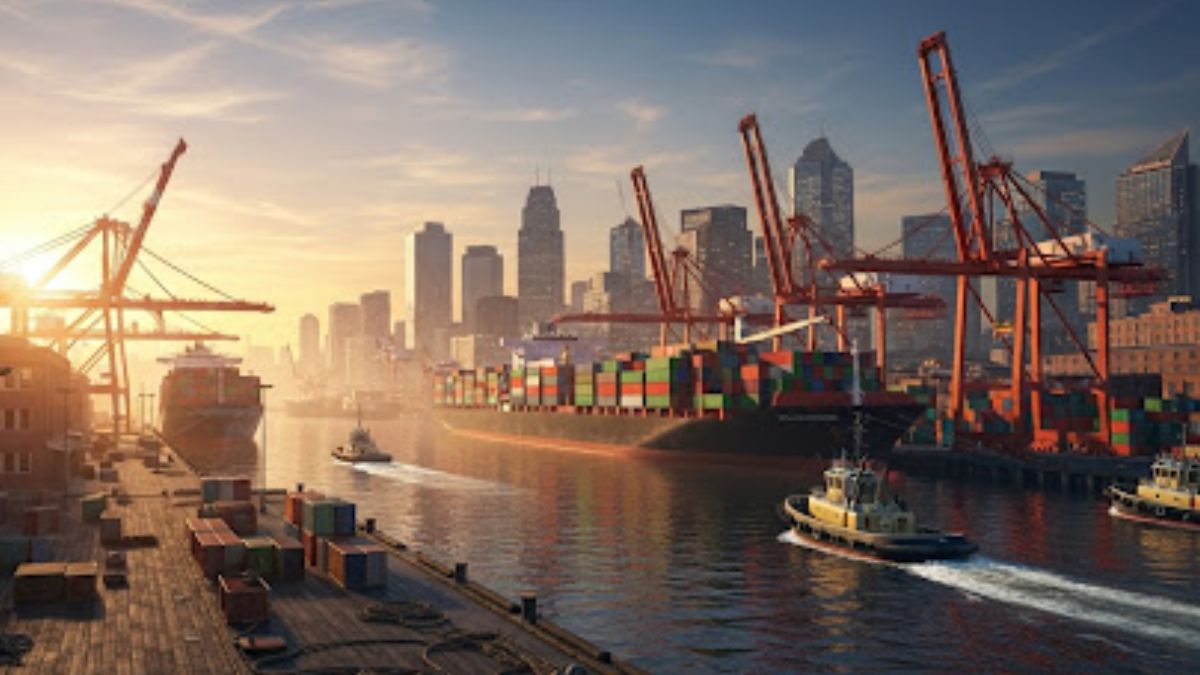
On 12 August 2025, the Lok Sabha passed the Indian Ports Bill, 2025, a landmark reform aimed at modernizing port governance, streamlining trade processes, and aligning India’s maritime sector with global best practices.
Introduced by Union Minister of Ports, Shipping & Waterways, Shri Sarbananda Sonowal, the bill replaces the Indian Ports Act, 1908, a colonial-era law, with a future-ready legal framework supporting the Prime Minister’s vision of “Ports for Prosperity.”
Background
- Indian Ports Act, 1908 Enacted during the colonial era, it governed port administration for over a century but had become outdated in the face of modern logistics and trade demands.
- Need for Change: Rapid growth in global trade, containerized cargo, and environmental concerns necessitated a digitized, sustainable, and competitive port ecosystem.
- Government’s Vision: Linked to initiatives like Sagarmala Programme and Maritime India Vision 2030, aiming to make India a top global maritime nation by 2047.
Key Objectives of the Indian Ports Bill, 2025
- Replace archaic legislation with modern, transparent, and efficiency-focused port governance.
- Boost cooperative federalism via the Maritime State Development Council (MSDC).
- Enhance ease of doing business (EODB) by digitizing port procedures.
- Ensure environmental sustainability through green port initiatives and pollution control.
- Promote investment through clear Public-Private Partnership (PPP) and FDI provisions.
- Standardize safety and operational protocols across all Indian ports.
Major Provisions
Institutional Reforms
Maritime State Development Council (MSDC)
- Includes representatives from Central and State Governments.
- Coordinates national port development strategies.
- Resolves inter-state and port authority disputes.
State Maritime Boards
- Strengthened to manage non-major ports effectively.
- Empowered to undertake port expansion and modernization.
Dispute Resolution Committees
- Fast-track resolution of conflicts between ports, users, and service providers.
Operational Reforms
- Tariff Autonomy: Ports can set competitive tariffs under a transparent framework.
- Integrated Planning: Long-term development strategies for cargo growth and connectivity.
- Boost to Coastal Shipping: Seamless integration with inland waterways and multimodal transport.
- Digitalization: Fully online port operations to cut red tape and reduce turnaround time.
Environmental & Safety Measures
- Waste Reception Facilities at all ports.
- Compliance with MARPOL (Marine Pollution) and Ballast Water Management conventions.
- Emergency Preparedness Plans for disasters and security threats.
- Promotion of renewable energy and shore power systems to cut emissions.


 ECINet KYC Feature Explained: How Voters...
 BIRAC-BioNEST Incubation Centre Inaugura...
 E20 Petrol India 2026: Nationwide Rollou...