In our body, different glands work silently to keep us healthy, control body functions, and support growth. Some glands are small and hidden, while others are much larger and more noticeable. One special gland is the biggest of them all, performing hundreds of vital tasks every single day. But do you know which gland holds the title of being the largest in the human body?
Largest Gland in our Body
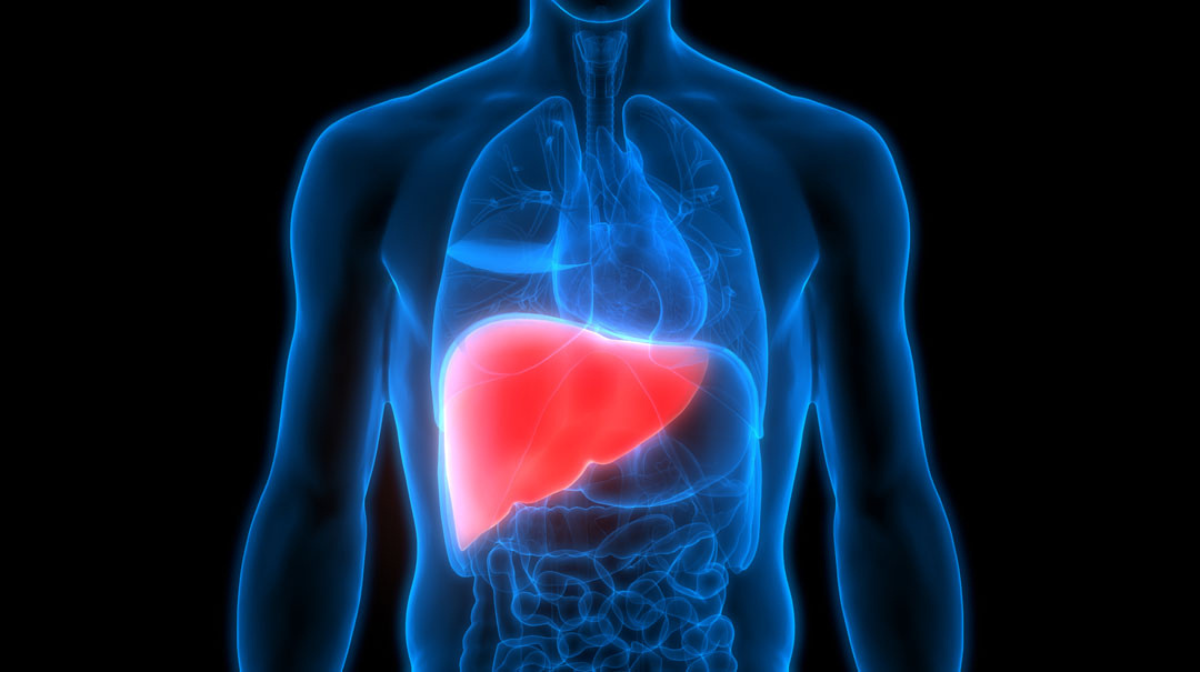
The largest gland in our body is the liver. It is located on the right side of the upper abdomen, just below the ribs. The liver helps in digestion by producing bile, stores energy and vitamins, removes toxins from the blood, and supports many vital functions, making it one of the body’s most important organs.
Where is the Liver Located?
The liver is found on the right side of the upper abdomen, just below the rib cage. It has a reddish-brown color and a soft, spongy texture. In an adult, it weighs around 1.2 to 1.5 kilograms (about three pounds), making it the largest gland in the human body.
Why is the Liver called a Gland?
A gland is an organ that makes and releases substances needed by the body.
The liver is called a gland because:
- It produces bile, a fluid that helps break down fats during digestion (exocrine function).
- It releases important proteins and hormones into the blood to help control various processes (endocrine function).
This makes the liver both an exocrine and endocrine gland.
Main Functions of the Liver
The liver is like a control center for many body processes. Some of its most important roles include:
- Filtering the blood – Removes harmful chemicals and toxins.
- Producing bile – Helps digest fats.
- Storing energy – Keeps glycogen (stored sugar) and essential vitamins for later use.
- Breaking down old red blood cells – Recycles useful parts like iron.
- Helping blood clot – Produces proteins that stop bleeding after injury.
- Balancing nutrients – Manages fats, proteins, and carbohydrates in the body.
Structure of the Liver
The liver is divided into two main lobes — a large right lobe and a smaller left lobe. Inside these lobes are thousands of tiny units called lobules, which do the main work of filtering blood and producing bile. Small tubes called bile ducts carry bile from the liver to the gallbladder and small intestine for digestion.
How to keep the Liver Healthy?
Since the liver performs so many vital tasks, protecting it is very important. You can keep your liver healthy by:
- Eating a balanced diet with fruits, vegetables, and whole grains.
- Avoiding excessive alcohol and processed foods.
- Exercising regularly.
- Drinking enough water daily.
- Avoiding unnecessary medicines or harmful chemicals.
Interesting Facts About the Largest Gland in our Body
- It can regenerate — even if part of it is removed, it can grow back.
- It performs over 500 different functions.
- It works all the time, even when we sleep.


 Who were the Seven Sisters of Petroleum?...
 What is the State Flower of Florida? Che...
 Which is the Largest Desert in Asia? Che...