
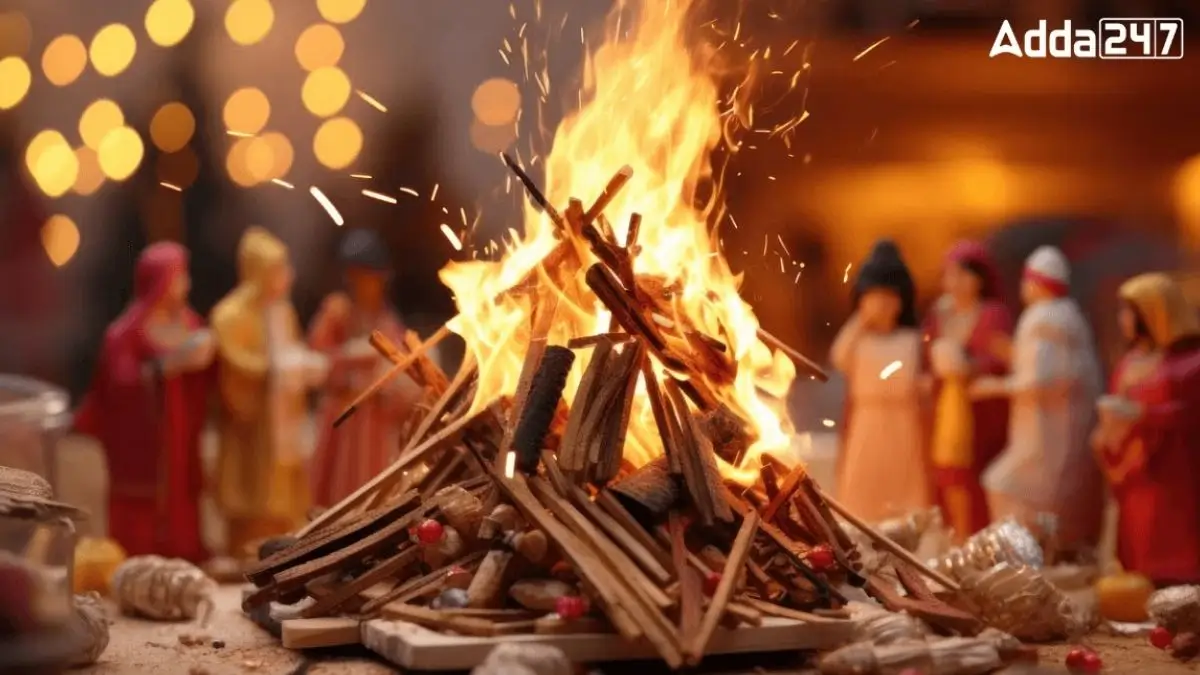
Lohri is a popular winter festival celebrated mainly in Punjab, Haryana, Himachal Pradesh, and Delhi. It marks the end of the harsh winter season and the arrival of longer, warmer days. Deeply rooted in agriculture and community life, Lohri brings families together to express gratitude for harvests and to celebrate joy, togetherness, and renewal.
When is Lohri Celebrated in 2026?
Lohri is celebrated every year on 13 January, a day before Makar Sankranti. In 2026, Lohri will be observed on Tuesday, 13 January 2026, symbolizing the Sun’s northward movement and the gradual transition from winter to spring.
What is Lohri and Why It is Celebrated
Lohri is a harvest festival linked to the agrarian traditions of North India. It celebrates the harvesting of rabi crops such as wheat, sugarcane, and mustard. People thank nature, the Sun, and the earth for agricultural prosperity and pray for abundance in the coming year. The festival also represents hope, warmth, and positive beginnings.
Historical Background and Folklore
Lohri is closely associated with Punjabi folklore, especially the legend of Dulla Bhatti, a folk hero from the Mughal period. He is remembered for his bravery and generosity in protecting the poor. Traditional Lohri songs often mention his name, keeping alive values of courage, justice, and compassion through generations.
Traditional Rituals and Customs
The central ritual of Lohri is lighting a bonfire at sunset, symbolizing warmth and the victory of light over darkness. People walk around the fire, offer sesame seeds, jaggery, peanuts, popcorn, and rewri, and pray for prosperity. Folk songs are sung, and energetic dances like Bhangra and Gidda add colour and joy to the celebrations.
Special Family and Community Celebrations
Lohri holds special importance for families with newborn babies or newly married couples. Such households celebrate with extra enthusiasm, seeking blessings for new beginnings. Children also play an active role by going door-to-door singing Lohri songs like “Sundar Mundriye Ho” and receiving sweets, strengthening community bonds.
Traditional Foods of Lohri
Food plays a key role in Lohri celebrations. Seasonal and warming foods such as rewri, gajak, sesame sweets, peanuts, popcorn, sugarcane, makki di roti, and sarson da saag are enjoyed. These dishes reflect the winter harvest and the spirit of sharing and togetherness.
Regional Variations and Related Festivals
While Lohri is most prominent in Punjab and Haryana, similar festivals are celebrated across India. Maghi follows Lohri in Punjab, Lal Loi is observed by Sindhi communities, while Makar Sankranti, Pongal, and Bihu celebrate harvest and the Sun’s cycle in other regions, highlighting India’s cultural diversity.
Educational and Cultural Importance
For students and families, Lohri offers an opportunity to understand seasonal cycles, agricultural heritage, folklore, and community values. Schools often use Lohri to teach cultural awareness, environmental responsibility, and the science behind changing seasons, making it both a festive and learning experience.
Eco-Friendly Lohri Celebration Tips
Lohri should be celebrated responsibly by using clean wood, avoiding plastics in bonfires, ensuring fire safety, supervising children, and respecting local rules. Eco-friendly celebrations help preserve the festival’s spirit while protecting the environment.
Key Summary at a Glance
| Aspect | Details |
| Festival | Lohri |
| Date (2026) | 13 January 2026 |
| Region | Punjab, Haryana, North India |
| Nature | Winter harvest festival |
| Key Symbol | Bonfire |
| Crops Linked | Wheat, sugarcane, mustard |
| Folk Element | Dulla Bhatti legend |
Question
Q. Lohri is primarily associated with the harvest of which season’s crops?
A. Kharif
B. Zaid
C. Rabi
D. Plantation


 Easter Sunday 2026: Meaning, History &am...
 International Day for Mine Awareness 202...
 Good Friday 2026: Date, History, Meaning...











