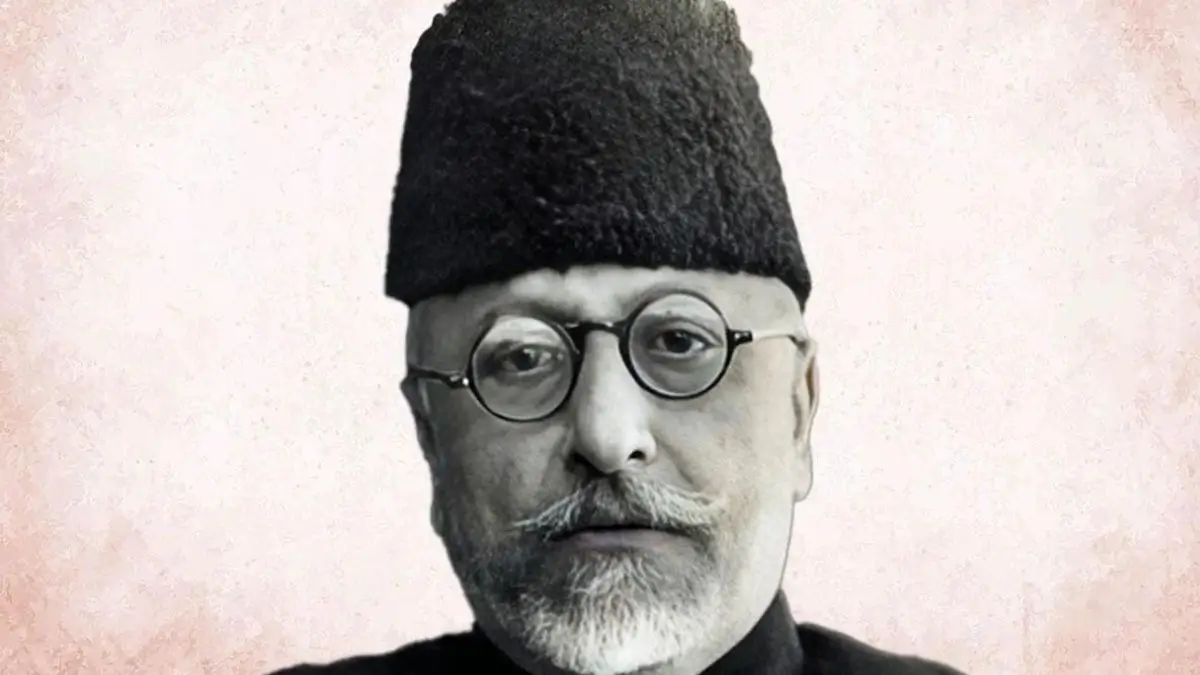
India celebrates National Education Day every year on the 11 th November to commemorate the birthday of Maulana Abul Kalam Azad, the first Education Minister of Independent India. This date was declared by the Ministry of Human Resource Development in 2008 to recognise his work in education and building up the nation. He acted as the Education Minister from 1947 until his death in 1958.
This helped support the development of primary, university and technical education as well as centres for science and culture. This day promotes the importance of providing all people with an inclusive and high quality education.
When is National Education Day 2026?
National Education Day takes place every year on the 11 th November. In 2026 it will be celebrated on the 11 th November which will fall on a Wednesday.
This date marks Maulana Azad’s birthday and celebrates his work in the education system of India.
- Celebration: National Education Day
- Date: 11 November 2026
- Day: Wednesday
- Celebrated For The First Time: 2008
- Country Celebrated In: India
- Commemoration: Maulana Abul Kalam Azad’s Birthday
- Date of Birth: 11 November 1888
- First Education Minister: Maulana Abul Kalam Azad
- Declared By: Ministry of Human Resource Development (Now Ministry of Education)
The first National Education Day took place on 11 th November 2008 in Vigyan Bhavan, New Delhi. It was inaugurated by former President Pratibha Devisingh Patil.
Who Was Maulana Abul Kalam Azad (1888-1958)?
He was a freedom fighter, scholar, journalist and educationist from India. He was born in Mecca on the 11 th November 1888 and became one of the leading figures in the Indian freedom movement, promoting unity in the nation.
He had a strong early education including studying Islamic theology, Arabic, Persian, Philosophy and Mathematics. Later in his life he became known for his writings.
In 1912 he started his own Urdu magazine called Al-Hilal. He used this as a platform to share his opinions about nationalism, colonialism and Hindu-Muslim unity. His political actions caused issues with the British Government and he was imprisoned in Ranchi between 1916-1920.
He became involved in the freedom movement and supported the Non-Cooperation and Khilafat Movements. He became President of the Indian National Congress in 1923 and again in 1940. He was against the Partition of India and promoted unity between Hindus and Muslims.
After Independence he became the first Education Minister of India on the 15 th August 1947. He remained in this role until his death on the 22 nd February 1958.
Why Is National Education Day Celebrated?
National Education Day is celebrated to recognise the work performed by Maulana Azad in developing the education system of India. It promotes the importance of education in aiding social and economic development.
It focuses on;
- Providing everyone with access to education.
- Supporting girls’ education.
- Improving the quality of education.
- Developing technical skills and scientific knowledge.
- Recognising cultural education.
- Creating an inclusive education system.
This encourages schools, colleges and other educational institutions to hold discussions, seminars, workshops and awareness sessions.
Contributions to the Education System in India
As the first Education Minister in Independent India, Azad helped shape the future of education and cultural institutions in the country. He promoted universal primary education with a focus on science, technical skills and culture.
1. Universal Primary Education
- Azad promoted free education for all children up to the age of 14 years old and supported girls’ education. He also supported vocational, agricultural and technical education.
- As Chairman of the Central Advisory Board of Education he contributed to discussions around education reform at a national and state level.
2. Higher Education
- He supported increasing higher education within the country by creating institutions to improve research, academic standards and specialised learning.
- He officially opened the University Grants Commission (UGC) on the 28 th December 1953. In November 1956 it became a statutory body under the UGC Act 1956.
- Its main role is to coordinate university education, improve academic standards and provide funding to eligible universities and colleges.
3. Technical Education
- Azad supported the development of technical and scientific education to help the newly independent country.
- During his time in office he helped establish the Indian Institute of Technology (IIT) in Kharagpur in 1951. This was the first IIT in India and set a precedent for the future expansion of IITs.
4. Cultural Education
Azad believed education should include elements of Indian art, literature, music and culture.
Significant Institutions Created Under His Leadership
Indian Council for Cultural Relations (ICCR). Created in 1950 to promote cultural relations with other countries. Azad was the founder President.
- Sangeet Natak Akademi. Created in 1953 to encourage performing arts.
- Sahitya Akademi. Created in 1954 to encourage literature.
- Lalit Kala Akademi. Created in 1954 to encourage visual arts.
These helped develop and preserve the culture of India.
Maulana Azad’s Vision for Education
Azad saw education as a way to develop individuals and build up society. He supported an education system with a focus on modern scientific knowledge but also the culture and intellect of India.
His vision for education included,
- Using the mother tongue to teach children.
- Using English in higher education.
- Science education.
- Supporting women’s education.
- Creating an inclusive and secular education system.
- His vision reflected the belief that education should help develop the nation, create equality and help individuals grow.
How Is National Education Day Celebrated?
Across India National Education Day is celebrated through various educational and awareness events. In 2008 when it first took place it encouraged institutions at all levels to hold events to promote literacy.
Common activities include,
- Seminars.
- Essay writing and speech competitions.
- Debates.
- Skill building workshops.
- Quiz competitions.
- Education shows.
These activities help to show how important education is in creating an informed, skilled and inclusive society.






 Gujarati New Year 2026: Bestu Varas Date...
 World Science Day 2026: Theme, Date, His...
 Uttarakhand Foundation Day 2026: History...