
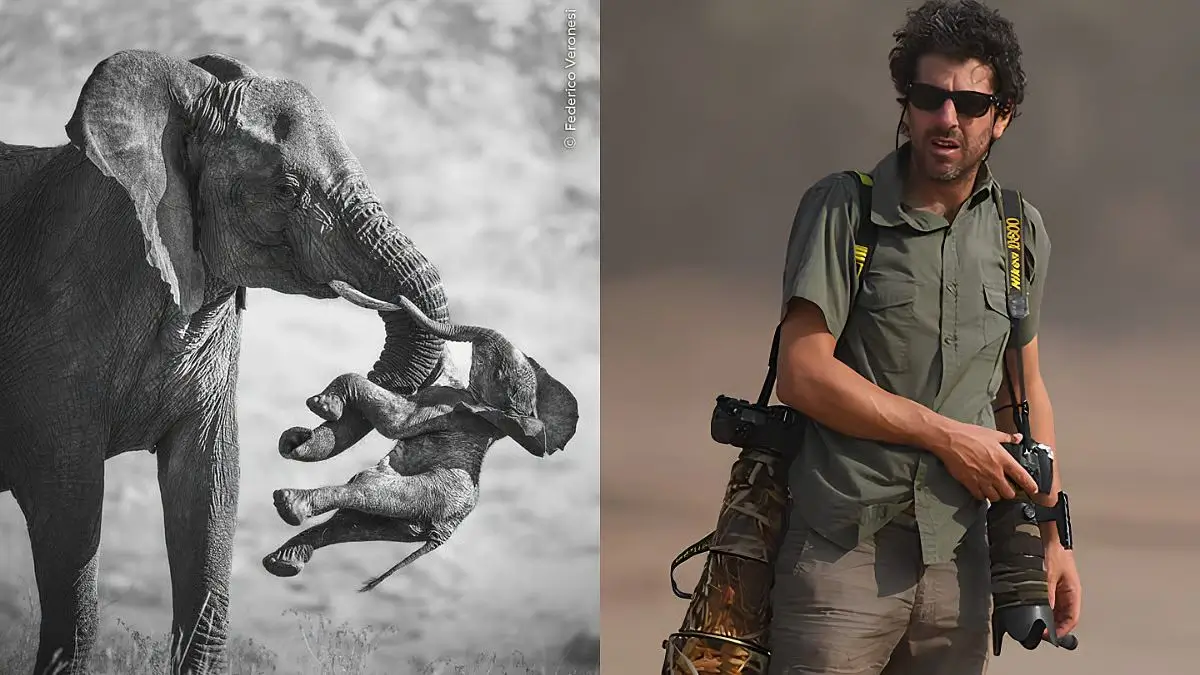
On October 14, 2026, fourteen-year-old British photographer Oscar Whitfield was named the Young Wildlife Photographer of the Year 2026 for his black-and-white image called Labour of Love, which shows a dung beetle carrying a dung ball. Whitfield took the photograph in Zimbabwe, capturing the insect from its own point of view from ground level. This is the 62nd annual international contest organized by the Natural History Museum of London.
Wildlife Photographer of the Year Competition 2026
The Wildlife Photographer of the Year =is organized by the Natural History Museum in the London, UK. The contest recognizes high-quality wildlife photography that focuses on wildlife behavior and biodiversity.
The Wildlife Photographer of the Year 2026 competition received a record 65,403 entries from 121 countries and territories. There are two overall winners – adult and young – along with other categories for specific types of photography.
The Wildlife Photographer of the Year 2026 is remarkable for being the first edition where overall winners in both adult and young categories have won in black-and-white photography.
Oscar Whitfield’s Winning Photograph: ‘Labour of Love’
Oscar Whitfield took the winning photograph in Zimbabwe while laying down on the floor taking photographs of a dung beetle from its eye view. It is the photo of a dung beetle carrying dung.
Wildlife photography is a field that captures photographs of animals in their natural habitat. This practice is important because it can be used to inform people about the behaviors of animals as well as other information such as habitats of the animals.
Dung Beetles and Their Ecological Value
The dung beetles depend on animal dung for food. Many of them belong to the Scarabaeinae sub-family of Scarabaeidae beetle family.
Dung beetles can handle dung differently. There are those that form it into a ball, others bury it directly into the ground while some do this underground.
Ecological functions of the dung beetles include nutrient recycling, soil processing and organic transport within ecosystems. Dung burial helps them improve the state of the soil and prevent accumulation of animal dung.








 Nobel Prize 2026 – Advanced Exam-Level...
 2026 Nobel Prize Winners: Categories Wis...
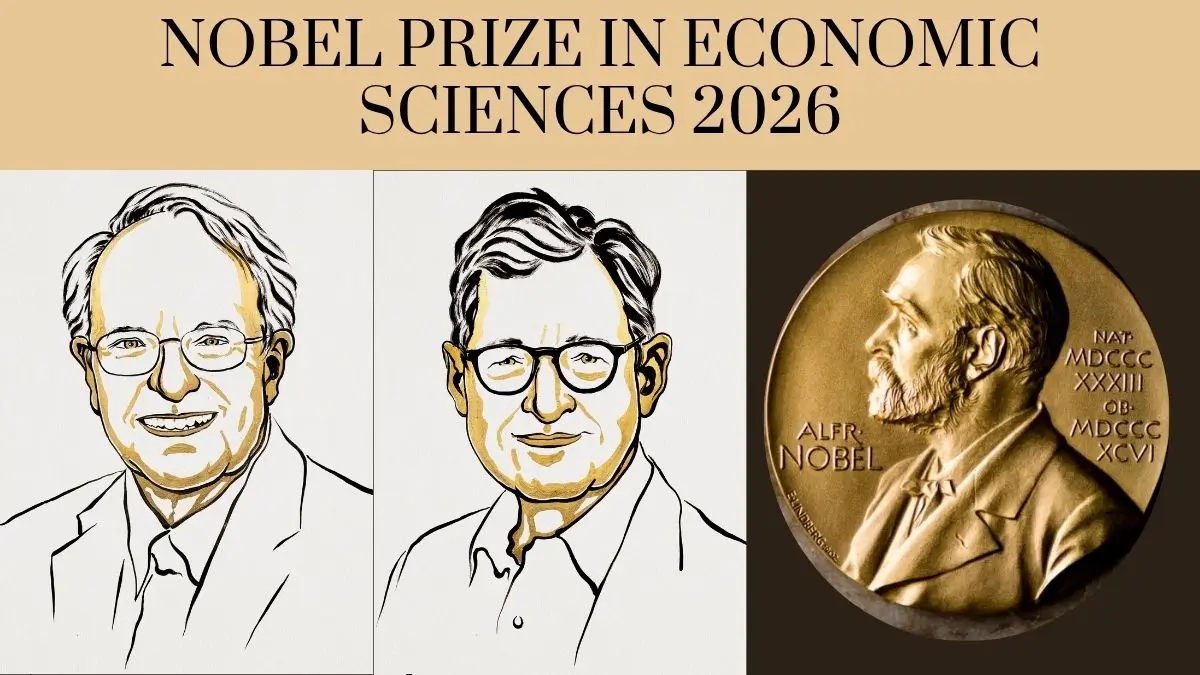 Robert E. Hall and Michael Woodford Win ...