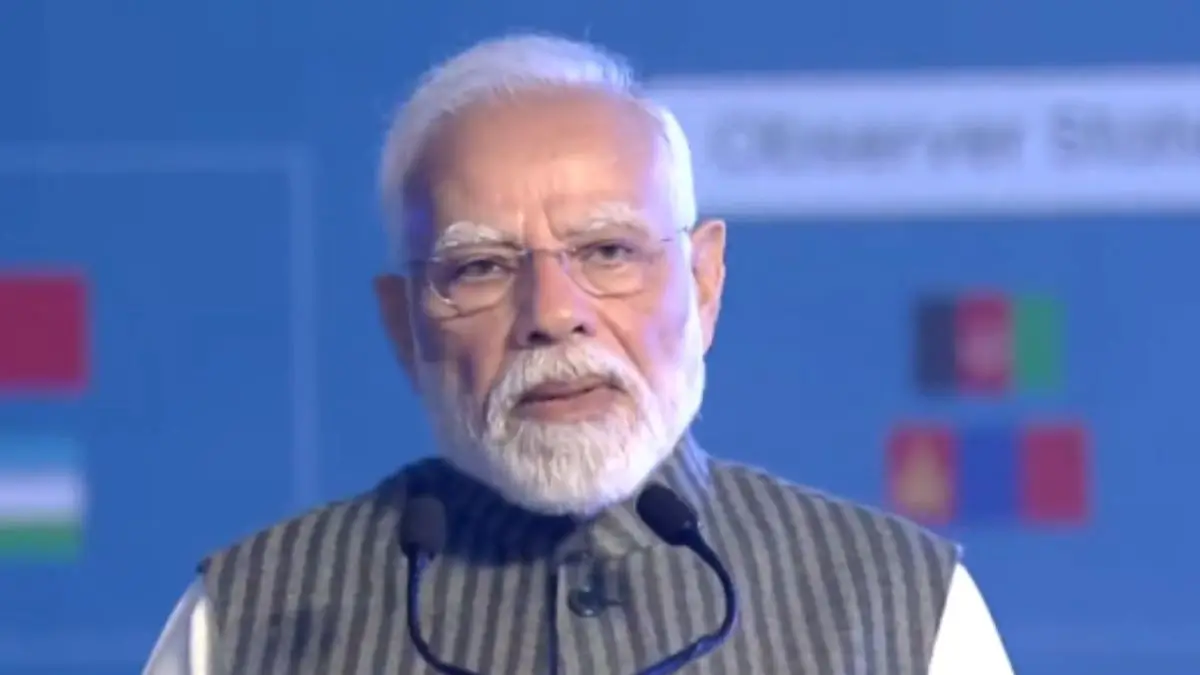
On 20 th November 2026, the Prime Minister Narendra Modi formally opened the First Shanghai Cooperation Organisation Civilisational Dialogue Forum at Purana Qila, New Delhi. This aims to improve Cultural Links and people-to-people ties, and recognise common civilisations between SCO member nations. During his speech to attendees from each member nation, the Prime Minister stated that encouraging civilisational dialogue can create global peace and understanding. The Prime Minister also suggested increasing cooperation in areas such as conservation, digital innovations, research and cultural tourism.
Key information about the First SCO Civilisational Dialogue Forum
- Event: First Shanghai Cooperation Organisation Civilisational Dialogue Forum
- Opened by: Prime Minister Narendra Modi
- Date: 20th November 2026
- Location: Purana Qila, New Delhi
- Organiser: Shanghai Cooperation Organisation (SCO)
- Focus Civilisational dialogue
- Areas of focus: Conservation, Research, Digital Innovation, Cultural Exchange
This event has been held to coincide with the 25 th anniversary of the SCO. Additionally, there has been increased cooperation in security, economic and connectivity fields within the SCO.
Civilisational and Historical Ties Highlighted
The Prime Minister highlighted long-standing cultural and intellectual exchanges between India with Central Asia, China, and other regions.
Trade and Cultural Links
- Over 5000 years ago, there were trade links between the Indus Valley Civilisation and Mesopotamia.
- Silk routes and other trade routes have existed between India, China, Central Asia and Eurasia.
- Merchants, scholars, explorers and religious figures facilitated a transfer of ideas, languages, and cultural practices.
Buddhist Scholars
Many Buddhist scholars and explorers have helped spread knowledge and Buddhist teachings throughout Asia.
Name and Their Contribution
- Faxian: Chinese Buddhist explorer who travelled to India.
- Xuanzang: Chinese Buddhist scholar who travelled to India and studied at Nalanda.
- Yijing: Chinese Buddhist explorer who travelled to India and recorded Buddhist practices.
- Kumarajiva: Buddhist Scholar and translator from Kucha.
Important places for knowledge to transfer and Buddhist texts to be passed on include Nalanda, and cultural centres, such as Kucha and Dunhuang.
Literature and Science
Many Indian knowledge systems have influenced other regions:
- Panchatantra – stories transferred to Persian and Arabic cultures, and are known as Kalila wa Dimna.
- Ramayana – Influenced literature, performance art and traditional practices in Southeast Asia. In Cambodia, it is known as Reamker.
- Maths – Mathematical concepts from Indian scholar Brahmagupta were taken to Baghdad. This allowed mathematical knowledge to develop with scholars such as Al-Khwarizmi.
Architecture and Music
Shared artistic practices include,
- Musical traditions in Central Asia (Maqam) and India (Raga).
- Sufi influence helped create Qawwali music in India.
- Gardens in Samarkand and Herat inspired the Charbagh style architecture.
Suggestions to Improve Cultural Cooperation between Member Nations
- Conservation: Digitise ancient texts, unique texts and historical documents.
- Translation: Translate ancient texts into multiple languages.
- AI: Use AI to speed up translations of literature and knowledge.
- Research: Create joint research to investigate shared histories between civilizations.
- Museums: Hold joint exhibitions between museums and cultural institutions.
- Academic exchange: Allow academic collaboration between universities.
- Cultural tourism: Develop cultural trails linking sites along the Silk Route and Buddhist sites.
- Cultural celebrations: Create joint cultural celebrations and artist exchange schemes.
- Young people :Increase engagement of young artists, writers and film makers.
With new, modern technologies, individuals from different countries can now connect in seconds. Previously, connecting individuals between these places could have taken months.
Shanghai Cooperation Organisation (SCO)
The Shanghai Cooperation Organisation (SCO) is a political, economic and security agreement in Eurasia. It aims to encourage cooperation, build trust and create stability within the region.
- Formed: 15th June 2001
- Member nations: China, Russia, Kazakhstan, Kyrgyzstan, Tajikistan, Uzbekistan
- Headquarters: Beijing, China
- India joined: 2017
- Pakistan joined: 2017
- Cooperation: Security, Economic, Connectivity, Cultural
- Languages: Chinese and Russian.
The SCO developed from the “Shanghai Five” formed in 1996.








 India and Japan Unveil Logo for 75 Years...
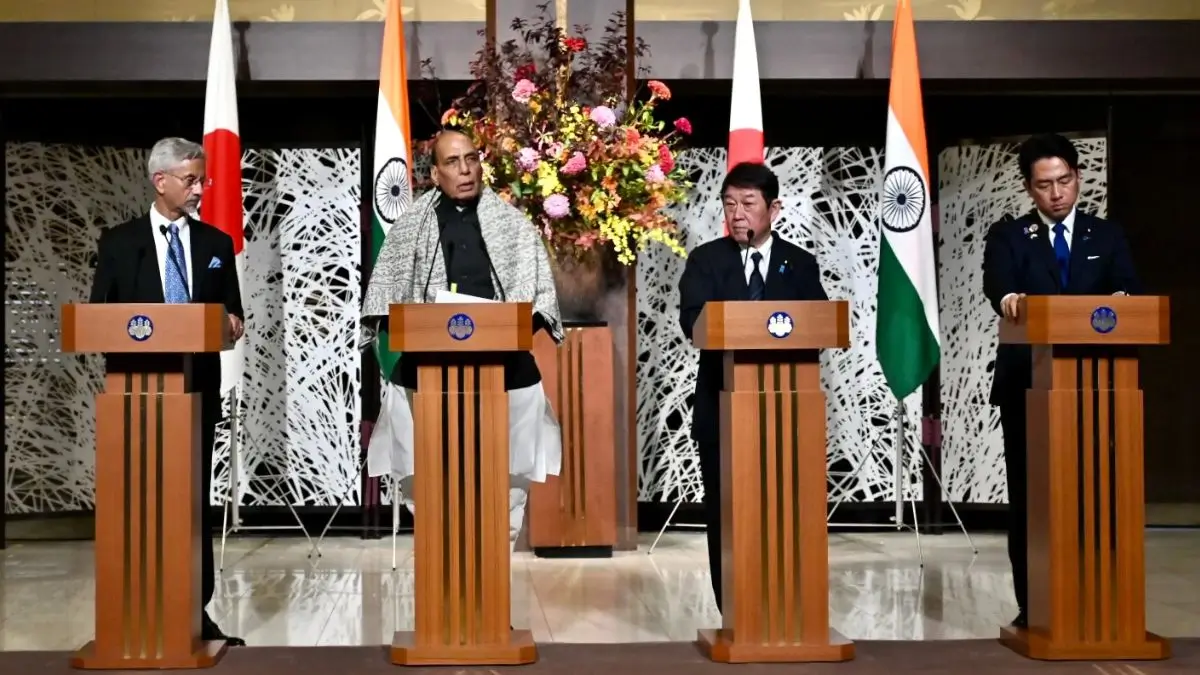 Fourth India-Japan 2+2 Ministerial Meeti...
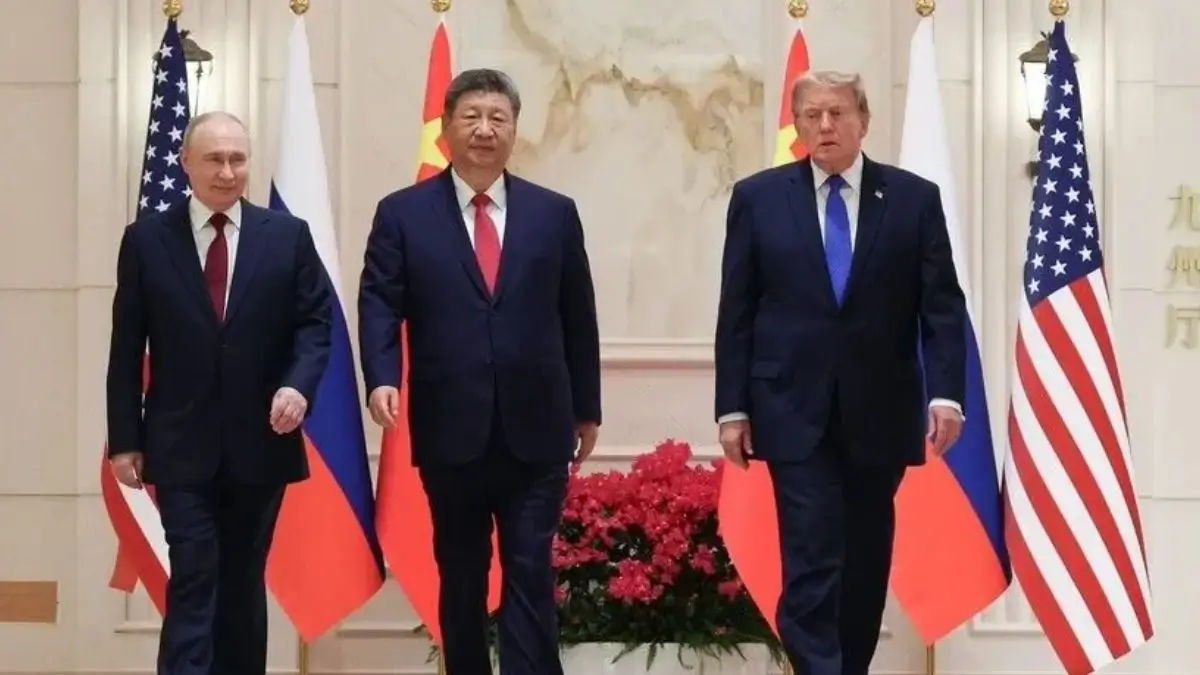 U.S., China and Russia Hold Historic Tri...