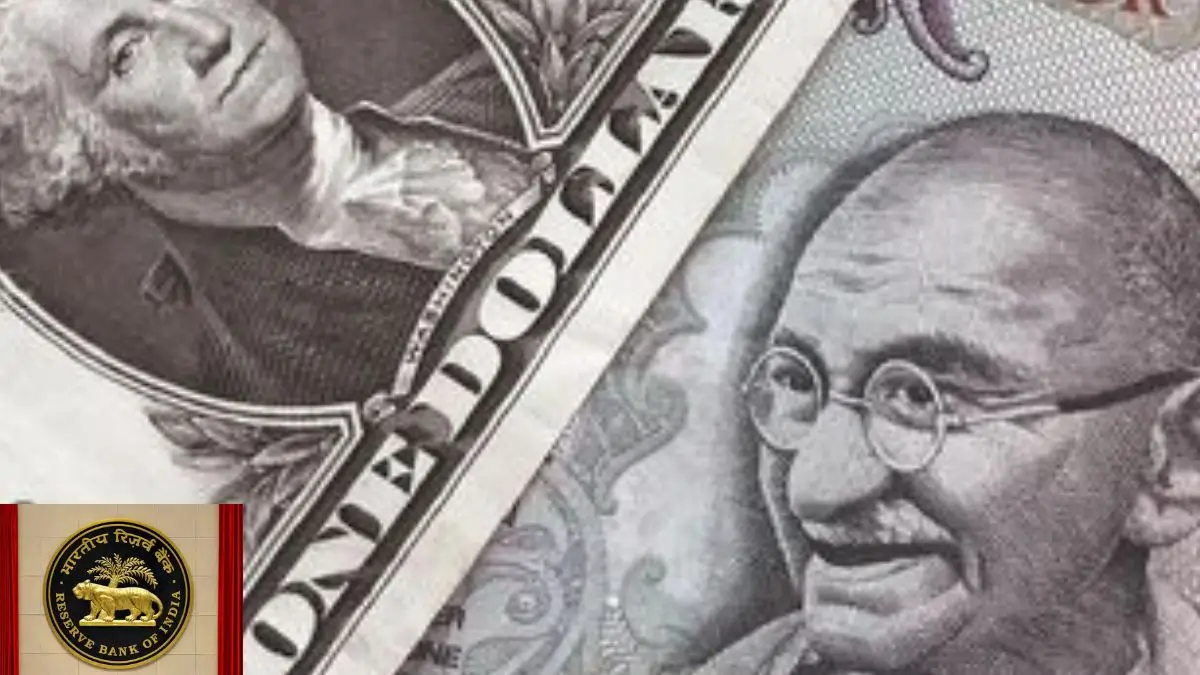
Even as digital payments grow rapidly in India, cash usage remains strong. According to a report by the State Bank of India (SBI), currency in circulation (CiC) reached a record ₹40 lakh crore in January 2026. The report shows an 11.1% year-on-year growth, compared to 5.3% in the same period last year. The rise indicates that despite increasing UPI and digital transactions, demand for paper money continues due to strong consumption trends in both rural and urban areas.
Currency In Circulation Rise in India January 2026
The SBI report highlights multiple reasons for the rise in currency in circulation,
- Higher rural and urban consumption
- Lower interest rates encouraging spending
- Direct and indirect tax cuts boosting urban demand
- Replacement of Rs 2000 notes with lower denominations
On an incremental basis, CiC increased by ₹2.76 lakh crore so far this year, compared to ₹88,517 crore during the same period last year.
Role of Rs 2000 Note Withdrawal
One of the key factors behind rising currency in circulation is the withdrawal of ₹2000 denomination banknotes.
High-value notes have been replaced by lower denominations like,
- ₹100
- ₹200
- ₹500
This replacement increases the total number of notes required in the system, thereby pushing up overall cash circulation figures.
Digital Payments vs Cash: Coexistence, Not Replacement
India has witnessed a massive rise in UPI transactions and digital payments. However, the SBI report notes that although there is an inverse relationship between UPI transaction value and cash demand, overall economic growth is keeping money demand high.
This means,
- Digital payments substitute cash in some transactions
- But total consumption growth increases overall money demand
- Both systems coexist in the expanding economy
- The digital rupee (e ₹ (rupee)) accounts for only 0.03% of total currency value, while paper notes dominate at 98.99%.
RBI Measures to Boost Lower Denomination Notes
- The Reserve Bank of India (RBI) has taken steps to improve public convenience.
- On April 28, 2025, RBI directed banks to increase availability of ₹100 and ₹200 notes in ATMs
- 96% of ATMs must dispense ₹100 and ₹200 notes by March 2026
- These measures are likely to further increase the supply of lower denomination notes.
Gold Trends and Consumption Patterns
- The report also noted that gold imports are at their highest since FY13.
- However, unlike previous trends where gold purchases required heavy cash use, current trends show households selling gold and silver holdings to support consumption.
- This reflects stronger financial activity and evolving consumption patterns in the economy.
Question
Q. Currency in circulation in January 2026 reached approximately:
A) ₹30 lakh crore
B) ₹35 lakh crore
C) ₹40 lakh crore
D) ₹45 lakh crore


 India Records All-Time High UPI Transact...
 New ATM Rules in India 2026: Daily Limit...
 RBI Tightens Forex Market Controls With ...