
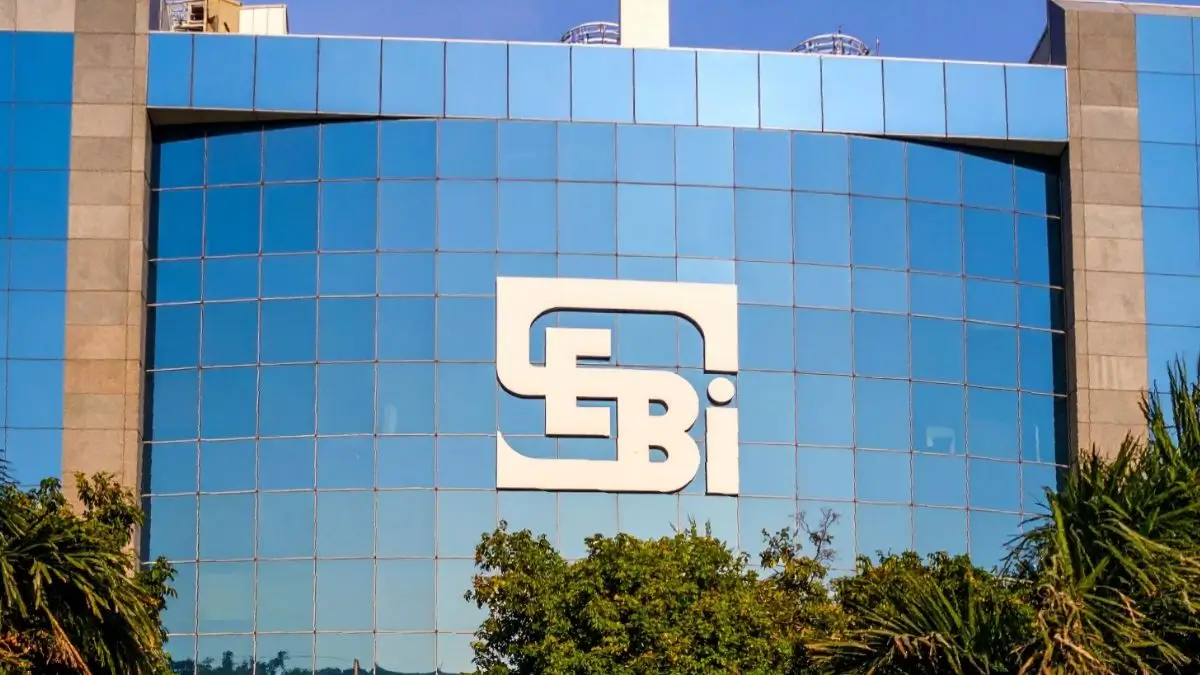
SEBI (ecurities and Exchange Board of India) has launched the Credit Risk-o-Meter on 7th of October, 2026. This meter offers the visual interpretation of the credit risk for debt securities based on ratings assigned to them by categorizing them into six colors. The objective behind this concept is that it would help investors in identifying the risks of investment in bonds, especially for those who are unaware of the traditional credit ratings like AAA, AA and BBB.
Classification of Six Credit Risks with Color Codes
The SEBI classification of current credit ratings is divided into six groups of risks that start from low credit risk up to the high/very high risk of default. The colors assigned to each risk are standardized for consistency in all promotional material and online.
| Credit rating | Risk category | Prescribed colour |
| AAA | Lowest credit risk | Irish Green |
| AA+, AA, AA− | Very low credit risk | Chartreuse |
| A+, A, A− | Low credit risk | Neon Yellow |
| BBB+, BBB, BBB− | Moderate credit risk | Caramel |
| BB+, BB, BB− | Moderate risk of default | Dark Orange |
| B+, B, B−, C and D | High to very high risk of default | Red |
What Are the Debt Securities?
The framework applies to the listed or proposed to be listed debt securities under the above mentioned regulatory categories. It includes,
- Non-Convertible Securities (NCS): These are debt securities which can not be converted into the equity shares.
- Commercial Papers (CPs): These are money-market instruments that are used by the eligible issuers for raising funds.
- Securitised Debt Instruments (SDIs): Instruments which have underlying financial assets.
- Security Receipts (SRs): These are the instruments issued by the Asset Reconstruction Companies in respect of the acquisition of financial assets.
- Structured Debt & Market-Linked Debentures (MLDs): The debt instruments which depend on some specified market variables/underlying references for generating their returns.
It applies to these instruments, whether issued through public offer or private placement.
Where Should the Credit Risk-o-Meter be Placed?
As per the guidelines of SEBI, the Credit Risk-o-Meter is mandatorily to be displayed in certain documents and medium of communication utilized by the issuers and Online Bond Platform Providers (OBPPs).
These include,
- Offer documents.
- Simplified prospectuses.
- Private placement memorandum.
- Advertisements released by the issuers and OBPPs.
- Websites and mobile portals of OBPPs.
The name of the rating agency along with the actual rating should also be mentioned below the meter. SEBI has provided for the design format of the same for the digital mediums as well as color prints.
Further Disclosure Requirements for Bonds
In addition to that, the circular provides for measures to be taken into consideration when a single visual rating is unable to provide complete information regarding a debt security.
- Several ratings: If a security has more than one credit rating from different credit rating agencies, then the meter must indicate the lowest credit rating. Additional ratings can also be disclosed.
- Unsecured debt securities: The phrase “unsecured” must be displayed below the meter in bold red font.
- Changes in ratings: Any online platform offering bonds should update the meter within 24 hours after being notified about any changes in the rating using the specified depository procedure.
- Visibility of the meter: This meter should be clearly seen on the pages containing information about the listed bonds prior to reaching the investment action buttons.
- Implementation period: The circular envisages that the framework will come into force for the 45 days after its publication date of October 7, 2026.
What will the new system mean for investors?
The Credit Risk-o-Meter aims to provide a means of interpreting credit risk data in a way that allows for an easy comparison of the risk classifications of various debt instruments, irrespective of the investor’s knowledge of credit rating systems.
It also provides a consistent format for presenting risk data regardless of issuer or online platform that hosts the bond data. This could enhance visibility of credit ratings and aid the identification of bonds with a relatively high risk of default.
The meter does not remove risk from investment, nor does it provide assurance of repayment. It depicts credit risk but not other risks like market risk, liquidity risk, and structural risks.





 RBI Raises Daily CRR Maintenance Require...
 HDFC Bank’s Anup Bagchi Set to Become ...
 RBI Removes Paytm Payments Bank from Lis...