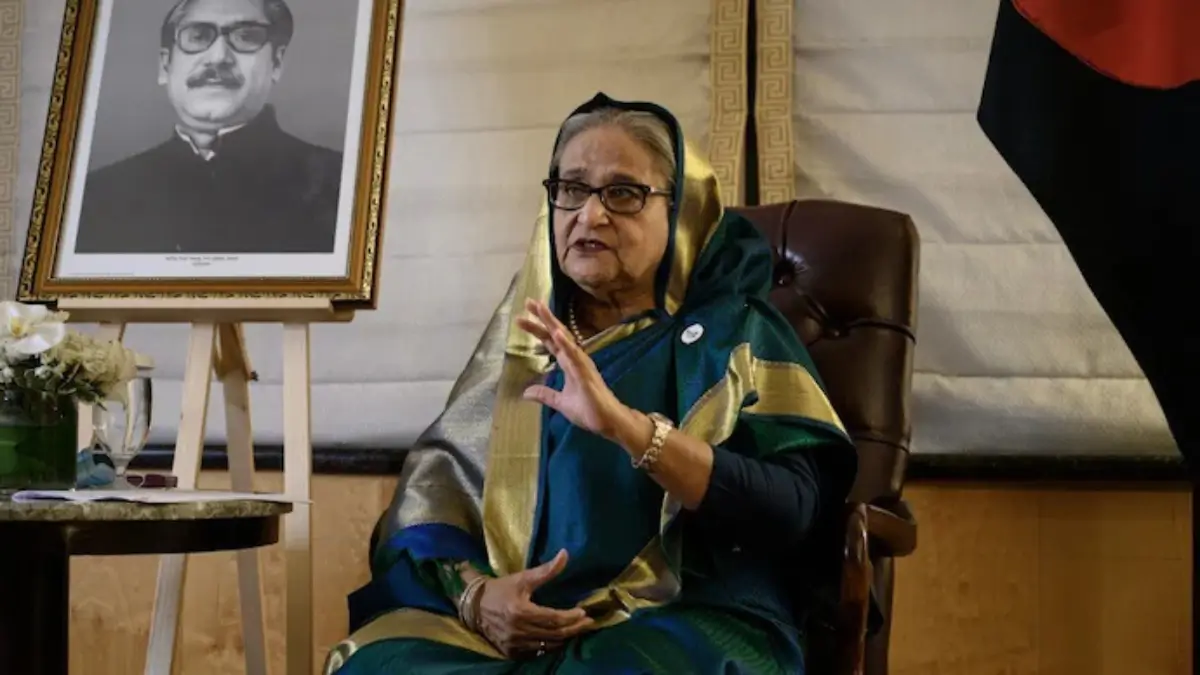
Sheikh Hasina is one of the most influential political leaders in South Asia. She spent many years as the Prime Minister of Bangladesh and played a major role in shaping the country’s development. Her life has been filled with political struggles, strong leadership, and dedication to public service. She is also known for her connection to Bangladesh’s founding leader, her father Sheikh Mujibur Rahman.
Early Life and Background of Sheikh Hasina
Sheikh Hasina was born on September 28, 1947, in Tungipara, East Bengal. She came from a respected political family. Her father, Sheikh Mujibur Rahman, is remembered as the Father of the Nation in Bangladesh. Her mother, Sheikh Fazilatunnesa Mujib, supported her family through difficult political years.
Hasina spent her childhood in an atmosphere of political tension, as her father fought for Bangladesh’s rights. She also has Iraqi Arab ancestry through her grandfather.
Education and Student Life
Sheikh Hasina studied at Eden Mohila College and later completed her education at the University of Dhaka. She was active in student politics and gained early experience in leadership. During the unstable years of the late 1960s and early 1970s, she often had to move for safety due to political violence.
Tragic Loss and Exile
In 1975, while Sheikh Hasina was in West Germany with her husband, a military coup took place in Bangladesh. Her father, mother, and most of her family members were killed. She and her sister survived because they were abroad.
After the attack, Hasina lived in New Delhi, India, where she was granted asylum. She stayed there until she was allowed to return to Bangladesh in 1981 after becoming the leader of the Awami League.
Personal Life of Sheikh Hasina
Sheikh Hasina married M. A. Wazed Miah in 1968. He was a respected nuclear scientist and passed away in 2009. The couple has two children—
- Sajeeb Wazed, a technology and political advisor
- Saima Wazed, a psychologist working for autism and mental health causes
Political Journey of Sheikh Hasina
Sheikh Hasina became Prime Minister for the first time in 1996. She completed a full five-year term, making her the first leader in Bangladesh to do so. During this period, she signed an important Ganga Water Sharing Treaty with India.
Second Term (2009-2014)
After returning to politics, Hasina won the 2008 elections. During this time, she created the International Crimes Tribunal to investigate crimes from Bangladesh’s 1971 Liberation War.
Third Term (2014 – 2019)
She won again in 2014. Although the election faced criticism and reports of violence, her party formed the government with a large majority.
Fourth Term (2019 – 2024)
Hasina won another huge victory in 2019. However, political tension grew in the country. On August 5, 2024, she resigned from the post of Prime Minister following intense student protests and unrest.
Awards and Honors to Sheikh Hasina
- 1998: Mother Teresa Award
- 1998: M. K. Gandhi Award (Norway)
- 1999: Honorary Doctor of Law, University of Dhaka
- 2000: Pearl S. Buck Award
- 2009: Indira Gandhi Prize
- 2014: UNESCO Peace Tree Award
- 2015: Lifetime Achievement Award
Legacy and Impact
Sheikh Hasina is one of the longest-serving women leaders in the world. She helped strengthen Bangladesh’s economy, improve education, and promote women’s empowerment. Even after leaving office, she remains an important figure in the country’s political history.


 Weekly Current Affairs One Liners (30th ...
 Who is known as the Father of Mobile Pho...
 Which is the Highest Airport in the Worl...