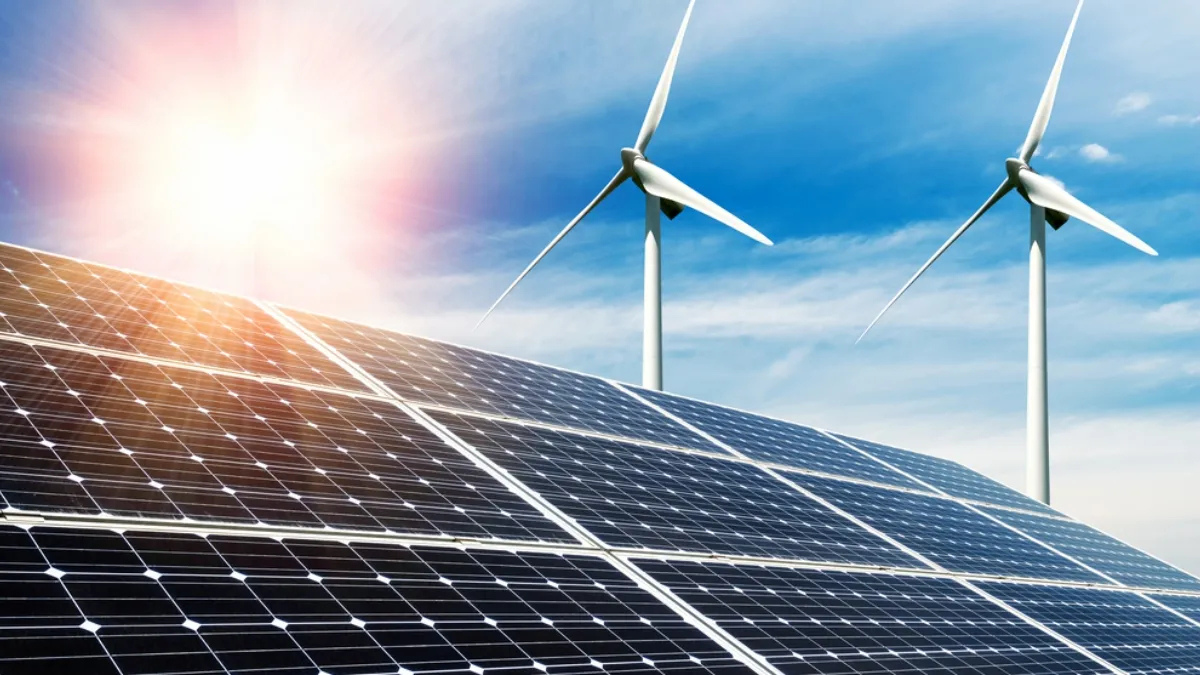
Solar power is one of the fastest-growing sources of clean energy in the world. It uses sunlight to make electricity without polluting the environment. Many countries are now investing heavily in solar energy to reduce their use of coal and oil. In 2025, several nations have become leaders in installing solar panels, helping to produce more renewable energy and move towards a greener and safer future.
What is Solar Energy?
Solar energy is a clean and renewable source of power that comes directly from the sun. It works through special devices called solar panels that capture sunlight and turn it into electricity. Unlike fossil fuels, solar energy never runs out and does not pollute the air. It is now powering homes, businesses and even electric vehicles.
Top-10 Countries with the Most Solar Power Plants Installed
China holds the title of the country with the most solar power plants installed, with the total number of solar power plants installed of 887,930 MW, followed by U.S., India, and Japan.
Here is the list of top-10 countries with the most solar power plants installed:
| Rank | Country | Installed Solar (MW) | Annual Growth Rate |
| 1. | China | 887,930 | 45.6% |
| 2. | U.S. | 177,470 | 27.5% |
| 3. | India | 97,384 | 33.7% |
| 4. | Japan | 91,610 | 2.8% |
| 5. | Germany | 89,943 | 20.1% |
| 6. | Brazil | 53,113 | 40.0% |
| 7. | Spain | 38,587 | 20.9% |
| 8. | Australia | 38,472 | 15.6% |
| 9. | Italy | 36,013 | 22.7% |
| 10. | South Korea | 26,645 | 13.4% |
China
China leads the world in solar power with nearly 888 GW installed – more than most countries combined. Massive solar farms, strong government backing and huge clean energy goals drive its growth. In 2024, alone, China added over 278 GW, showing its unmatched speed in expanding solar capacity and setting the pace for global renewable energy adoption.
United States
The U.S. ranks second, with solar now a major energy source nationwide. Federal tax incentives, public demand and private investments have fueled growth. From California rooftops to huge solar farms in Texas and Nevada, the U.S. added over 38 GW in 2024 – enough to power millions of homes – making solar energy mainstream and rapidly expanding across the country.
India
India is quickly boosting its solar capacity through large projects and rooftop systems. With over 97 GW installed, it aims to cut carbon emissions and reach Net Zero by 2070. Sun-rich states like Rajasthan and Gujarat are leading this expansion. A 33.7% growth rate in 2024 shows India’s strong push to meet rising electricity demand sustainability.
Japan
Japan still holds a high solar capacity of over 91 GW, though growth has slowed to 2.8%. After rapid expansion following the Fukushima disaster, land limits and regulations have slowed progress. Most installations are on rooftops for homes and industries. Despite challenges, Japan remains an important global solar player with strong reliance on clean energy.
Germany
Germany is a clean energy pioneer with nearly 90 GW of solar power installed. Government support technology innovation and strong policies have kept growth steady at 20.1%. Even with less sunshine than many countries, Germany proves that renewable energy can thrive in developed nations, setting a model for others to follow in solar adoption.
Brazil
Brazil is quickly becoming a solar leader in Latin America, with 53 GW installed and a 40% growth rate in 2024. Abundant sunlight, falling equipment costs and supportive policies are fueling this rise. Both small-scale and large solar farms are contributing, helping Brazil diversify beyond hydropower and strengthen its clean energy mix for the future.
Spain
Spain has made a strong comeback in solar energy, installing 38.5 GW with a 20.9% growth rate. After a quiet period, it’s seeing renewed activity in both rooftop and large solar projects. Strong sunshine, supportive policies and growing interest are helping Spain regain its position as one of European’s leading solar energy producers.
Australia
Australia has one of the highest rooftop solar adoption rates in the world, with about one in three homes using solar panels. Its total installed capacity is 38.4 GW, growing steadily at 15.6% in 2024. Both homes and large-scale projects are contributing making solar a key part of Australia’s renewable energy strategy.
Italy
Italy is seeing fast solar growth, reaching 36 GW in 2024 with a 22.7% annual increase. Government incentives and sunny weather makes solar attractive, especially in southern regions. Both small rooftop systems and large solar farms are expanding, helping Italy regain its strong position among Europe’s top solar energy producers.
South Korea
South Korea’s solar capacity reached nearly 27 GW in 2024, growing by 13.4%. Space constraints and industrial land needs pose challenges, but government programs, corporate investment and smart energy planning are driving progress. Solar is becoming an important part of South Korea’s energy mix as it shifts towards cleaner, renewable power sources.


 Which is the Oldest Airlines in the Worl...
 Top-Countries with the Highest Water Qua...
 Which Country is the Largest Importer of...