
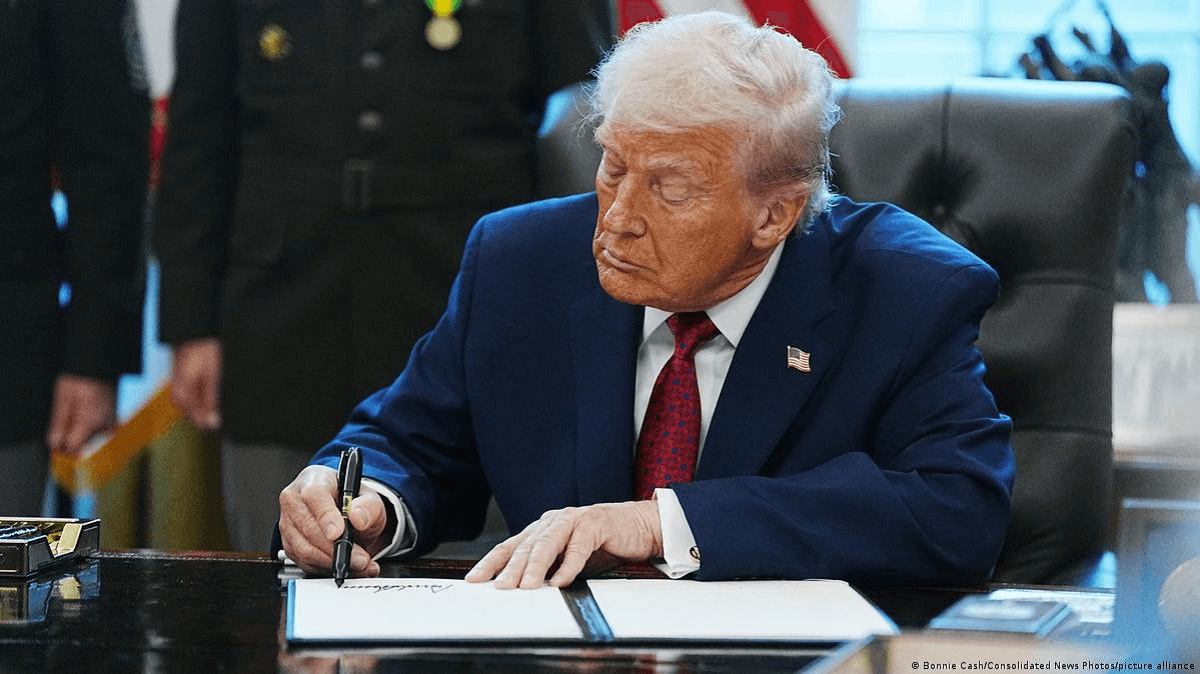
The United States has announced its withdrawal from 66 international organisations, marking a significant escalation in President Donald Trump’s retreat from multilateral global cooperation. The decision, formalized through an executive order signed on January 7, 2026, represents a comprehensive recalibration of U.S. participation in international bodies, particularly those affiliated with the United Nations system. This action follows extensive review of U.S. participation and funding in international institutions, with the administration characterizing many targeted bodies as redundant, inefficient, or misaligned with U.S. national interests and sovereignty. The withdrawals signal a fundamental shift toward unilateral and selectively multilateral approaches to international engagement.
Key Facts for Competitive Exams and Current Affairs
- Number of Organizations: 66 international organisations, agencies, and commissions
- Executive Order Date: January 7, 2026
- Primary Targets: UN-affiliated bodies focusing on climate, labour, and social development
- Key Exit: UN Framework Convention on Climate Change (UNFCCC)
- Climate Alliance Exit: International Solar Alliance (India-France led, launched 2015)
- UNFCCC Adoption: 1992 (foundational treaty for Paris Agreement)
- U.S. Position: Among world’s largest historical greenhouse gas emitters
- Previous Withdrawals: WHO, UN Human Rights Council, UNESCO
- Selective Engagement: International Telecommunications Union, International Maritime Organization, International Labour Organization
- Primary Focus: Strategic competition with China
Executive Order and Scope of Withdrawals
Comprehensive Review and Formalization
The executive order suspends U.S. support for 66 organisations, agencies, and commissions, most of which are affiliated with the United Nations and focus on critical global issues including climate action, labour standards, social development, and advisory functions. The administration has systematized this withdrawal process, conducting comprehensive reviews of U.S. participation metrics, funding contributions, and perceived alignment with stated national interests and Trump administration priorities.
Stated Rationale for Withdrawals
The administration has characterized many targeted institutions as:
- Redundant: Duplicating functions of other organizations
- Inefficient: Operating with excessive bureaucracy and overhead
- Misaligned: Promoting agendas contrary to U.S. interests
- Ideologically Problematic: Associated with diversity and social initiatives deemed contrary to administration priorities
Climate and Environmental Withdrawal: Central Feature
Departure from UNFCCC and Paris Agreement Framework
A central feature of the withdrawals is U.S. exit from climate-related frameworks, most significantly the UN Framework Convention on Climate Change (UNFCCC), the foundational treaty underpinning the Paris Agreement. Adopted in 1992, the UNFCCC represents the primary international legal framework governing global climate change mitigation and adaptation efforts.
International Solar Alliance Exit
The administration has also withdrawn from the India–France-led International Solar Alliance, launched in 2015 to promote renewable solar energy development, technology transfer, and climate action. Officials characterize these climate bodies as promoting policy agendas linked to diversity and “woke” initiatives, which the administration views as contrary to U.S. strategic priorities.
Broader Implications for Global Governance
Historical Pattern of Withdrawal
The current withdrawals continue a pattern seen during Trump’s presidency, with previous high-profile exits from:
- World Health Organization (WHO)
- UN Human Rights Council
- UNESCO (UN Educational, Scientific and Cultural Organization)
Impact on International Institutions
The decision has forced several international organisations to cut programmes and staff due to reduced U.S. funding. The absence of U.S. participation and financial contributions undermines organizational capacity, particularly affecting:
- Climate Change Response: Reduced funding and participation weakens collective mitigation and adaptation efforts.
- Humanitarian Assistance: UN agencies depend significantly on U.S. contributions for emergency response, food assistance, and refugee programs.
- Development Finance: Development institutions lose access to U.S. capital and expertise for poverty reduction and sustainable development initiatives.
Selective Engagement and Strategic Recalibration
Continued Participation in Strategic Sectors
Despite broad withdrawals, U.S. officials maintain that Washington will continue selective engagement with international bodies aligning with strategic competition, particularly against China. Retained organizational involvement includes:
- International Telecommunications Union: Standard-setting for global communications infrastructure.
- International Maritime Organization: Maritime governance and shipping standards.
- International Labour Organization: Labour standards and worker protections.
Ongoing Reviews Signal Continued Evolution
Further reviews of U.S. participation in global institutions are ongoing, signaling that the Trump administration views this withdrawal as beginning of a continuous recalibration process rather than final disengagement from multilateralism. This suggests potential additional withdrawals and restructured engagement with remaining international bodies.
Expert Assessment and Global Consequences
Warnings About Weakened Collective Action
Experts warn that U.S. absence could weaken collective responses to global challenges, particularly regarding:
- Climate change mitigation and adaptation
- Humanitarian crises and emergency response
- Development finance and poverty reduction
- Pandemic preparedness and infectious disease control
U.S. Historical Emissions Context
The withdrawal from climate frameworks is particularly significant given that the U.S. is among the world’s largest historical emitters of greenhouse gases, possessing substantial responsibility for current atmospheric carbon concentrations.


 Costa Rica Launches Snake Identification...
 WTO 14th Ministerial Conference Conclude...
 Former Suriname President Chandrikapersa...











