
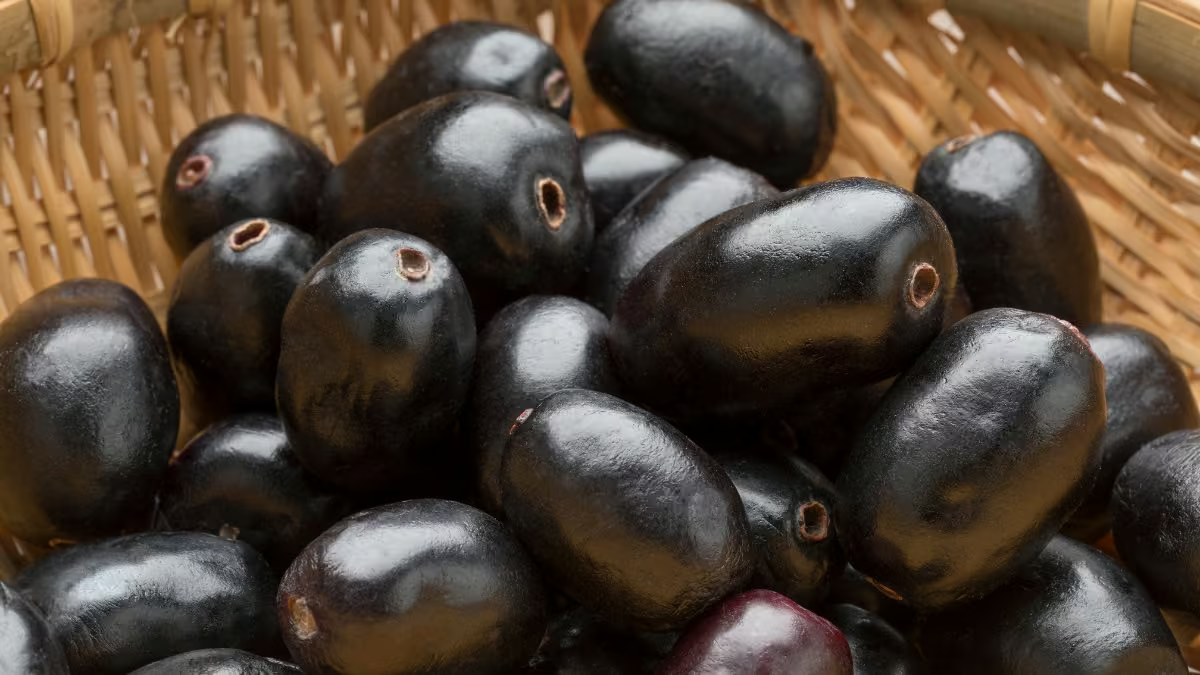
Jamun is one of the most popular tropical fruits found in India and several South Asian countries. Known for its deep purple color and sweet-tangy taste, Jamun is widely consumed during the summer season. Apart from its delicious flavor, the fruit is also famous for its medicinal and nutritional benefits. In English, Jamun is commonly called the Java Plum or Black Plum.
For competitive exam aspirants, questions related to important fruits, scientific names, and regional names are frequently asked in General Knowledge and current affairs sections.
Introduction
Jamun is a seasonal fruit that grows on evergreen trees and belongs to the Myrtaceae family. It is scientifically known as Syzygium cumini. The fruit is highly valued in Ayurveda and traditional medicine due to its health benefits.
Jamun trees are commonly found across India, Bangladesh, Nepal, Sri Lanka, and Southeast Asian countries. The fruit usually appears during the summer and monsoon seasons.
What is Jamun Called in English?
Jamun is commonly called:
- Java Plum
- Black Plum
- Indian Blackberry
The most widely used English name is Java Plum.
Scientific Classification of Jamun
Why is Jamun Famous?
Jamun is famous for several reasons, including its taste, medicinal properties, and cultural importance.
1. Medicinal Benefits
Jamun is widely used in Ayurveda for controlling blood sugar levels and improving digestion.
2. Rich Nutritional Value
The fruit contains:
- Iron
- Vitamin C
- Calcium
- Potassium
- Antioxidants
3. Seasonal Popularity
Jamun is highly popular during Indian summers because it helps keep the body cool and hydrated.
4. Traditional Importance
The fruit has cultural and religious significance in many Indian traditions.
Historical Background of Jamun
Jamun has been cultivated in the Indian subcontinent for centuries. Ancient Ayurvedic texts mention the fruit for its medicinal uses.
Historically:
Jamun seeds and bark were used in herbal medicine.
The fruit spread from India to Southeast Asia and other tropical regions through trade and cultivation.
During colonial times, Jamun trees were planted in many tropical countries because of their adaptability.
Today, Jamun is grown in countries like:
- India
- Indonesia
- Thailand
- Philippines
- Pakistan
- Sri Lanka
- Health Benefits of Jamun
Jamun is considered highly beneficial for health.
Major Health Benefits
- Helps regulate blood sugar
- Improves digestion
- Boosts immunity
- Supports heart health
- Rich source of antioxidants
Jamun seeds are especially valued in traditional medicine for diabetes management.
Significance of Jamun
Jamun holds importance in multiple fields:
- Agricultural Importance
It is a hardy tree that grows well in tropical climates and helps maintain ecological balance.
- Economic Importance
Jamun fruits are sold widely in local markets and used in juices, jams, vinegar, and herbal products.
- Medicinal Importance
Ayurvedic and herbal medicine industries use Jamun extensively.
- Environmental Importance
Jamun trees provide shade, improve air quality, and support biodiversity.
Interesting Facts About Jamun
- Jamun trees can live for more than 100 years.
- The fruit can temporarily turn the tongue purple after eating.
- Jamun wood is water-resistant and used in furniture and agricultural tools.
- The fruit is rich in anthocyanins, which give it its dark purple color.
Key Takeaways for Exams
- Jamun English name — Java Plum
- Scientific name — Syzygium cumini
- Family — Myrtaceae
- Rich in — Iron, Vitamin C, Antioxidants
- Famous for — Medicinal and anti-diabetic properties
- Mainly grown in — India and tropical regions








 Who Is Navi Pillay? Nobel Peace Prize 20...
 Vande Bharat vs Amrit Bharat Express: Ke...
 Asian Games to LA28: Which Sports Earned...










