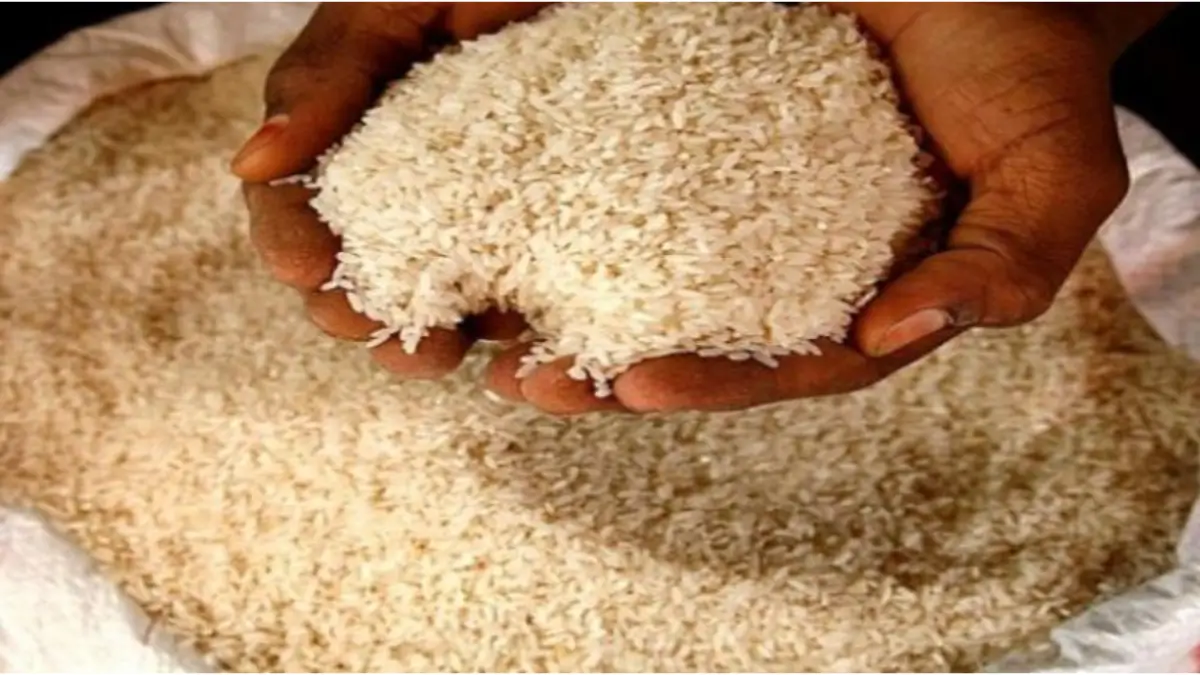
Did you know that one district in Kerala is lovingly called “Nellara”? The name itself sounds unique and meaningful. It reflects the deep connection between the land and its main crop.
Kerala is famous for its green landscapes, coconut trees, and beautiful backwaters. But beyond its beaches and hills, agriculture plays a very important role in the state’s identity and economy.
In this special district, vast paddy fields stretch across the land. Rice farming has shaped the lifestyle, traditions, and festivals of the people living there.
The nickname “Nellara” shows how proud the region is of its farming heritage. It highlights the importance of rice cultivation and explains why this district holds a special place in Kerala’s history.
Which District is known as the Nellara of Kerala?
The district known as the Nellara of Kerala is Palakkad district. It is called the “Rice Bowl of Kerala” because it produces the highest amount of rice in the state. The district has wide open plains, fertile soil, and a favorable climate for paddy cultivation. The presence of the Palakkad Gap helps create suitable weather conditions for farming. Agriculture is the main occupation here, and rice farming plays a key role in the local economy.
Meaning of Nellara of Kerala
The meaning of “Nellara of Kerala” is the Rice Bowl of Kerala. The word “Nellara” comes from Malayalam, where “nel” means paddy (rice) and “ara” means storehouse or granary. It refers to a place that produces a large amount of rice. Palakkad district is called the Nellara because it is the leading rice-producing district in the state.
Check This: Which River is known as the Moon River of India?
Why is Palakkad known as the Rice Bowl of Kerala?
Palakkad earns this title mainly because it produces the largest quantity of rice in Kerala. Large stretches of green paddy fields can be seen across the district, especially in areas like Chittur, which is well known for rice cultivation.
Rice farming is not just an occupation here—it is a way of life. The district supplies a significant share of rice to other parts of the state, making it very important for Kerala’s food security.
Geography that Supports Farming
One of the main reasons behind Palakkad’s strong agricultural output is its geography. The district lies near the famous Palakkad Gap, a natural mountain pass in the Western Ghats.
This gap allows cool winds to pass through, which reduces humidity and creates a climate suitable for farming. Unlike many other parts of Kerala that are either hilly or coastal, Palakkad has wide plains. These flat lands are perfect for large-scale paddy cultivation.
Climate and Natural Conditions
Palakkad has a slightly drier climate compared to other districts in Kerala. The presence of hills around the region and the influence of the Palakkad Gap create favorable weather conditions for growing rice.
Adequate rainfall, fertile soil, and proper irrigation systems further support agricultural activities. These natural advantages help farmers grow healthy crops year after year.
Agricultural Economy of the District
Agriculture is the backbone of Palakkad’s economy. A large number of people depend directly or indirectly on farming. Apart from rice, farmers also grow crops like coconut, vegetables, and pulses. However, paddy remains the main crop.
Because of its high production levels, Palakkad is often called the “granary” of Kerala.
Historical and Cultural Importance
Palakkad was officially formed as a district on January 1, 1957. It is often referred to as the “Gateway of Kerala” because it connects Kerala with Tamil Nadu.
The district is also home to historical landmarks such as the Palakkad Fort, built by Hyder Ali in 1766. Nature lovers visit the beautiful Malampuzha Dam and the lush Silent Valley National Park, known for its rich biodiversity.
The culture of Palakkad shows a mix of Tamil and Malayali traditions. Classical art forms like Kathakali are popular here, and the district has a vibrant cultural life.
Other Rice-Growing Region in Kerala
While Palakkad is the leading rice producer, the Kuttanad region in Alappuzha district is also historically known for paddy cultivation. Kuttanad is special because rice is grown below sea level there, making it unique in India.
However, in terms of overall production and contribution to the state’s rice supply, Palakkad remains the top district.


 Who were the Seven Sisters of Petroleum?...
 What is the State Flower of Florida? Che...
 Which is the Largest Desert in Asia? Che...