Wood is one of nature’s most useful materials, valued for its strength, beauty, and versatility. From furniture and flooring to construction and art, different types of wood offer varying levels of hardness and durability. Some woods are so strong that they can resist heavy pressure, scratches, and wear, making them perfect for long-lasting and high-quality applications.
What makes a Wood ‘Hard’?
Before understanding which wood tops the chart, it’s important to know how scientists measure wood hardness.
The standard method used is the Janka Hardness Test. It measures the amount of force required to press a steel ball halfway into a piece of wood. The higher the number, the harder the wood. This test helps compare how resistant each wood is to dents, pressure, and wear.
For example, oak, a common hardwood used in furniture, measures about 1,290 lbf, while the hardest wood in the world scores over 5,000 lbf — making it nearly four times harder.
Hardest Wood in the World
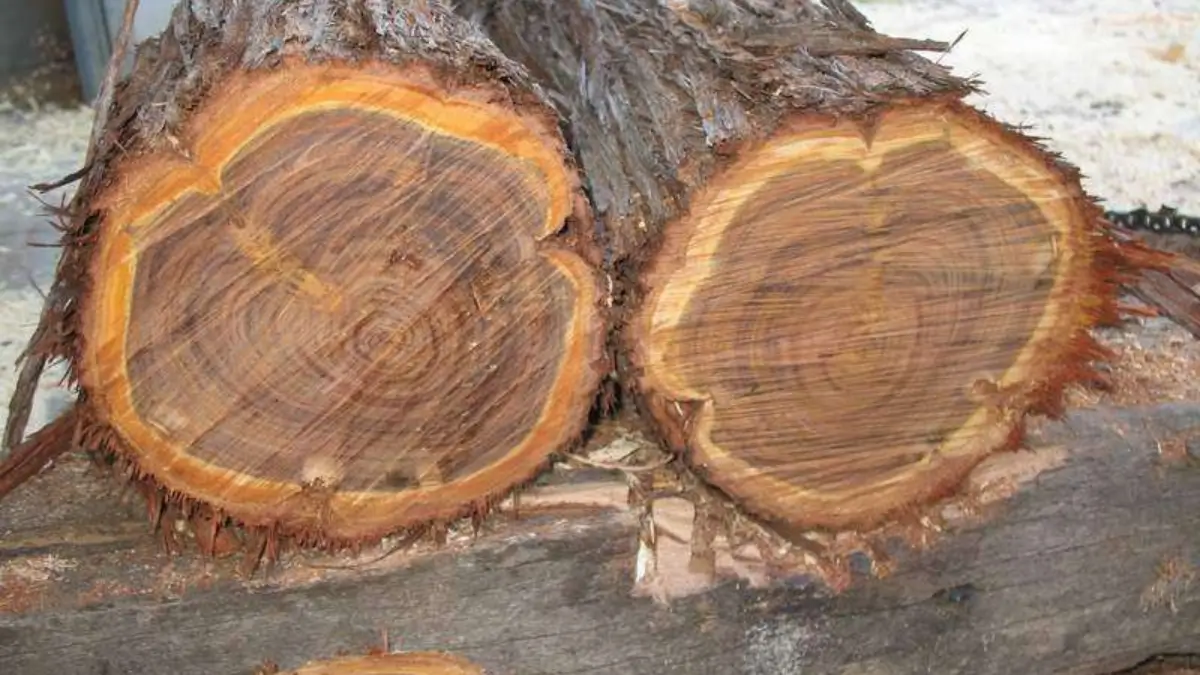
The Australian Buloke (Allocasuarina luehmannii) is often regarded as the hardest wood in the world. It is native to Australia and is well known for its exceptional density, strength, and durability.
- Janka Hardness Rating: About 5,060 lbf (22,500 N)
- Color: Deep reddish to dark brown shades
- Texture: Extremely dense and smooth, with tight grain patterns
This incredible hardness means that Buloke resists dents, scratches, and decay better than almost any other natural wood. It is also resistant to insects, moisture, and wear, making it highly durable even in harsh environments.
The Science Behind Its Strength
Australian Buloke’s structure gives it an edge — its wood fibers are tightly packed, leaving almost no air spaces. This makes it very heavy and difficult to cut or shape. The same quality that makes it incredibly durable also makes it one of the most challenging woods to work with.
Woodworkers often find that cutting or polishing Buloke can quickly dull blades and tools. Because of this, it is mainly used for special applications where maximum durability is needed, such as:
- Heavy-duty flooring
- Tool handles
- Decorative woodwork and luxury pieces
Its rarity and difficulty in processing mean it’s not commonly used for large-scale manufacturing.
Other Extremely Hard Woods
While Australian Buloke holds the top position, several other woods are also famous for their toughness and durability:
- Lignum Vitae (Guaiacum spp.) – Known for its oily texture and natural resistance to water, often used in ship bearings.
- Quebracho (Schinopsis spp.) – Very dense wood found in South America, used for heavy construction and railway sleepers.
- Snakewood – Recognized for its unique patterned grain and exceptional strength, popular in decorative and luxury woodworking.
Each of these species showcases how nature produces materials of immense resilience and beauty.
Hardness vs. Workability
Extreme hardness isn’t always an advantage in woodworking. Woods like Australian Buloke are so dense that they can’t be easily nailed, carved, or sanded without specialized tools. Craftsmen often need diamond-tipped equipment to shape or polish them.
Because of this, softer but durable woods such as teak, oak, or walnut are often preferred for regular furniture and flooring, balancing durability with ease of use.
Nature’s Engineering Wonder
The toughness of Australian Buloke reflects the wonders of natural design. It’s a material so powerful that even modern tools struggle against it. This showcases how nature’s engineering can surpass human-made materials in strength and endurance.
The wood’s incredible properties not only fascinate scientists and engineers but also remind us of the delicate balance between strength, usability, and sustainability in nature’s creations.


 List of Dadasaheb Phalke Award Winners f...
 Which Dance Form is known as the Ballad ...
 Which Musical Instrument is known as the...