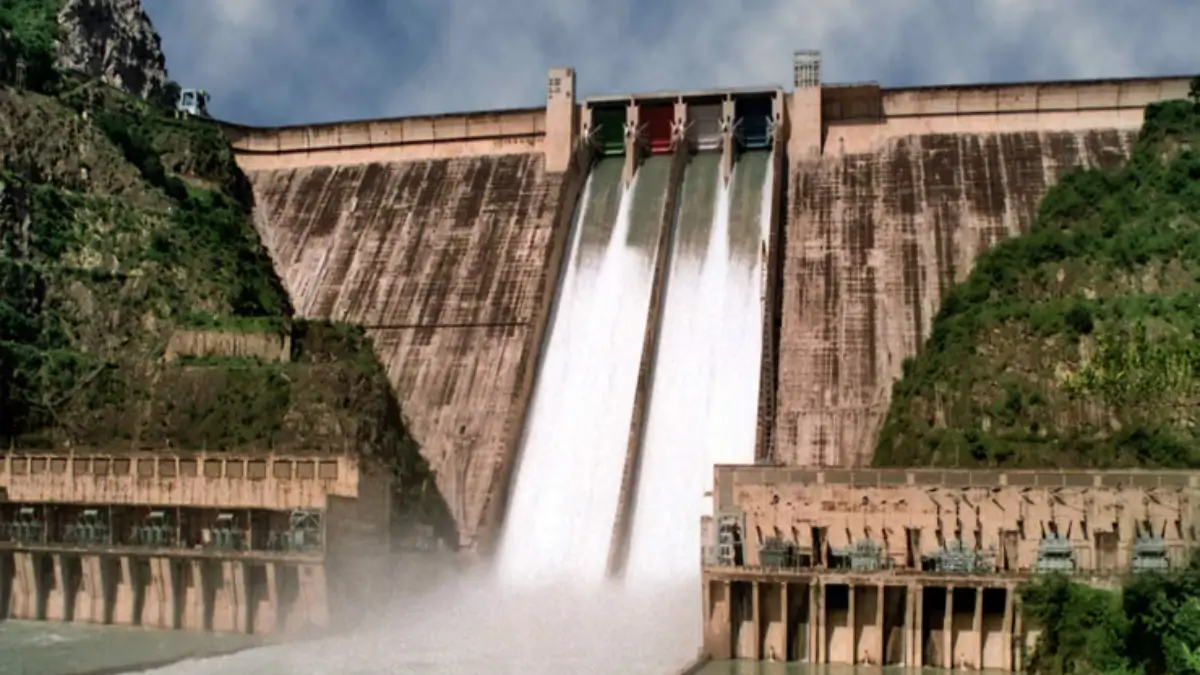
Did you know India is home to some of the tallest and most powerful dams in the world? These massive structures are not just walls of concrete. They help control floods, store water, and produce electricity for millions of people every day.
Across the country, dams are built in deep valleys, high mountains, and fast-flowing rivers. Each dam tells a story of engineering skill, hard work, and the challenge of building something huge in tough natural conditions.
Imagine standing near a dam so tall that it looks like a mountain itself. Water falling from such a height creates a breathtaking view and shows how humans have learned to work with nature rather than against it.
Many people are curious to know which dam stands above all others in India. Its height, location, and purpose make it truly special among the many dams spread across the nation.
Exploring facts about India’s tallest dams helps us understand their importance in daily life, from supplying water to generating power, while also showcasing the country’s remarkable engineering achievements.
The Highest Dam in India
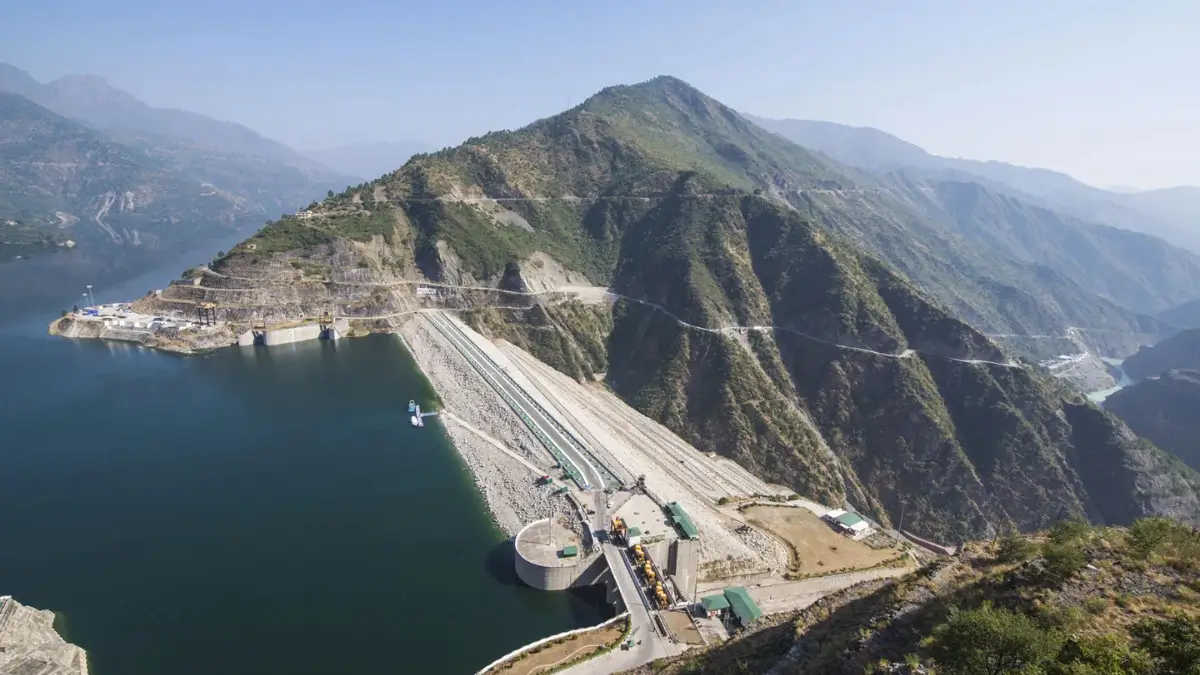
The Tehri Dam is the highest dam in India. It rises to a height of 260.5 metres (855 feet), making it one of the tallest dams in the world as well. Due to its enormous size and advanced construction, the Tehri Dam is counted among the most remarkable dam projects ever built in India.
Location of Tehri Dam
The Tehri Dam is located in the Tehri Garhwal district of Uttarakhand. It is built on the Bhagirathi River, which is one of the main rivers that later forms the holy River Ganga. The dam lies in a mountainous region of the Himalayas, surrounded by scenic hills and valleys.
Construction of the Tehri Dam
The construction of the Tehri Dam started in 1978 and was completed in 2006. Because of its location in an earthquake-prone zone and the challenging Himalayan terrain, the project took many years to finish. Engineers used advanced technology and careful planning to ensure safety and durability.
Type and Design of Tehri Dam
Tehri Dam is a rock-and-earth-fill dam with a central clay core. Unlike concrete dams, this design allows the dam to absorb earthquake vibrations. This makes it safer in a high seismic zone like the Himalayas. The dam is specially engineered to withstand earthquakes of up to 8.4 magnitude on the Richter scale.
Power Generation Capacity
The Tehri Dam is a major source of clean energy. It has an installed power generation capacity of 2,400 megawatts (MW). It works as a peaking power station, which means it can quickly supply electricity during high demand periods. This helps prevent power shortages in northern states.
Importance of Tehri Dam
- Hydroelectric Power Supply: The dam provides renewable electricity to states like Uttarakhand, Uttar Pradesh, and Delhi. It supports the national power grid and reduces dependence on fossil fuels.
- Irrigation Support: Water stored in the Tehri reservoir helps irrigate around 270,000 hectares of farmland. This supports agriculture and improves crop production in nearby regions.
- Drinking Water Supply: The Tehri Dam supplies drinking water to millions of people. It provides a large amount of clean water daily to Delhi and parts of Uttar Pradesh, helping meet urban water needs.
- Flood Control: During heavy rainfall and cloudbursts, the dam controls excess water flow. This reduces the risk of floods in downstream cities like Rishikesh and Haridwar.
- Tourism and Employment: The reservoir formed by the dam, known as Tehri Lake, has become a popular tourist spot. Activities like boating, jet skiing, and kayaking attract visitors and create jobs for local people.
Interesting Facts About the Tehri Dam
- The base of the dam is extremely wide, measuring about 1,128 metres, which gives it strong support.
- The length of the dam at the top is around 575 metres.
- The project led to the submergence of Old Tehri town, after which New Tehri was developed as a planned hill town.
- It has special shaft spillways, often called “Morning Glory” spillways, to safely release excess water during floods.
- The dam has a large dead storage capacity to trap silt and protect the reservoir for many decades.


 Do You Know Who won the First Abel Prize...
 Which City is known as the Rice Capital ...
 Where is the Strait of Hormuz Located?