
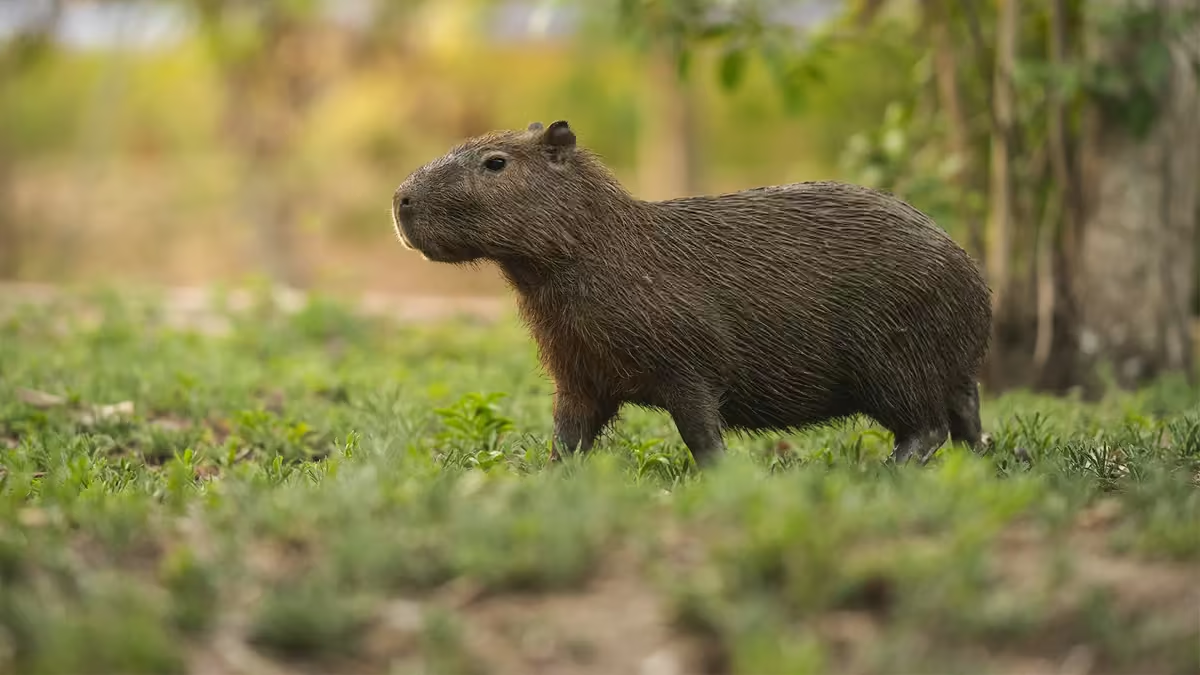
The world is home to thousands of fascinating animal species, but among rodents, one giant creature stands out for its extraordinary size and unique lifestyle, the Capybara. Known for its calm nature and semi-aquatic habits, the Capybara holds the title of the largest rodent in the world. This amazing animal is native to South America and has recently gained worldwide popularity through social media, zoos, and wildlife documentaries.
Introduction
Rodents are mammals known for their continuously growing front teeth. Common rodents include rats, mice, squirrels, and beavers. However, the largest member of this group is the Capybara, scientifically known as Hydrochoerus hydrochaeris. It is much bigger than ordinary rodents and can grow as large as a small pig.
Capybaras are social animals that usually live near water bodies such as rivers, lakes, marshes, and wetlands. Their friendly behavior and peaceful temperament make them one of the most loved wild animals in the world.
Which is the Largest Rodent in the World?
The Capybara is officially recognized as the largest living rodent in the world.
Scientific Classification of Capybara
| Category | Details |
|---|---|
| Common Name | Capybara |
| Scientific Name | Hydrochoerus hydrochaeris |
| Family | Caviidae |
| Habitat | Wetlands, rivers, forests |
| Native Region | South America |
| Average Weight | 35–70 kg |
| Average Length | Around 1.2 meters |
Why is the Capybara Famous?
The Capybara has become famous worldwide for several reasons:
1. Largest Rodent on Earth
Its massive body size makes it unique among rodents. Some Capybaras can weigh over 70 kilograms.
2. Friendly Nature
Capybaras are extremely social and peaceful animals. They are often seen living comfortably with birds, monkeys, turtles, and even crocodiles.
3. Excellent Swimmers
They are semi-aquatic animals and can stay underwater for several minutes to escape predators.
4. Internet Popularity
In recent years, Capybaras became viral on social media due to their relaxed behavior and adorable appearance.
Historical Background
Capybaras have lived in South America for thousands of years. Indigenous communities in countries like Brazil, Venezuela, Colombia, and Argentina have long been familiar with these animals.
The name “Capybara” is believed to come from the indigenous Tupi language, meaning “master of the grasses.” European explorers first documented the animal during their exploration of South America in the 16th century.
Historically, Capybaras were hunted for their meat and skin. In some South American regions, they are still considered an important part of local culture and cuisine.
Habitat and Lifestyle
Capybaras mainly live near water because water helps them avoid predators and regulate body temperature.
Major Habitat Areas
- Brazil
- Venezuela
- Colombia
- Peru
- Argentina
- Paraguay
Lifestyle Features
- Live in groups of 10–20
- Herbivorous animals
- Eat grasses and aquatic plants
- Active mostly during morning and evening
Interesting Facts About Capybara
- Capybaras are close relatives of guinea pigs.
- Their teeth continuously grow throughout life.
- They can sleep in water while keeping their nose above the surface.
- They communicate through whistles, barks, and purring sounds.
- Jaguars, anacondas, and caimans are their main predators.
Significance of Capybara
The Capybara plays an important role in maintaining wetland ecosystems. As herbivores, they help control vegetation growth. They also serve as prey for many large predators, supporting ecological balance.
In addition, Capybaras have become important for wildlife tourism and environmental awareness programs in South America.
Key Takeaways for Exams
- Largest rodent in the world — Capybara
- Scientific name — Hydrochoerus hydrochaeris
- Found mainly in South America
- Semi-aquatic and herbivorous animal
- Belongs to the rodent family Caviidae








 Who Is Navi Pillay? Nobel Peace Prize 20...
 Vande Bharat vs Amrit Bharat Express: Ke...
 Asian Games to LA28: Which Sports Earned...










