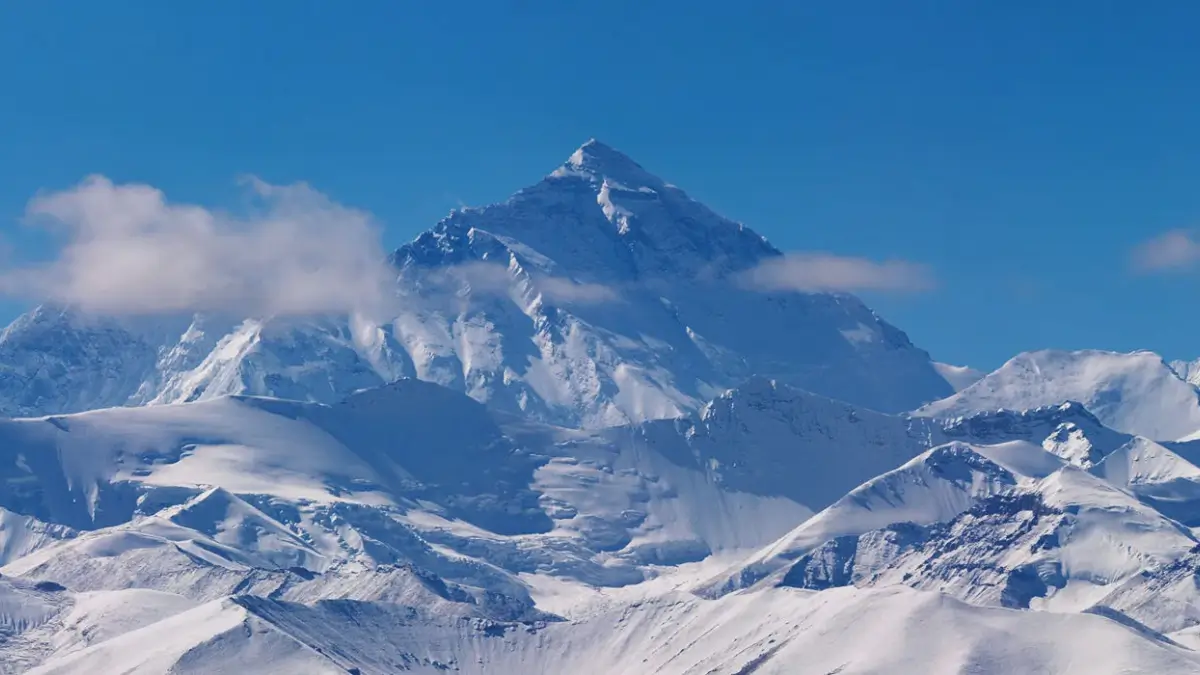
Asia is a vast continent known for its powerful mountains, deep valleys, and stunning natural beauty. Some of these mountains rise very high above the land and remain covered with snow throughout the year. They influence climate, rivers, and human life in many ways. Among them, one peak stands out for its great height, grand appearance, and worldwide fame, making it truly special.
Which Mountain is known as the Majestic Peak of Asia?
Mount Everest is called the Majestic Peak of Asia because it stands higher than every other mountain on Earth. Its enormous height, shining snow-covered top, and powerful presence make it one of the most awe-inspiring natural features in the world. For centuries, this mountain has attracted explorers, climbers, and researchers, and it continues to symbolise the strength and beauty of Asia’s landscape.
Why Mount Everest is known as the Majestic Peak of Asia?
Mount Everest earns the title Majestic Peak of Asia due to its unmatched height and dominance. Rising far above all surrounding mountains, it reaches an elevation of 8,848.86 metres above sea level, making it the highest point on Earth. Its vast size, steep slopes, and permanent snow give it a grand and royal appearance that truly justifies the word “majestic.”
Location of Mount Everest
Mount Everest is located in the Himalayan mountain range, on the border between Nepal and China’s Tibet Autonomous Region. It lies in the Mahalangur Himal sub-range, an area known for hosting many of the world’s tallest peaks. This region is often called the roof of the world because of its extreme heights and rugged terrain.
How Mount Everest was Formed?
Mount Everest was formed millions of years ago when the Indian tectonic plate collided with the Eurasian tectonic plate. This massive collision pushed the Earth’s crust upward, creating the Himalayas. Even today, these plates are slowly moving, which means Mount Everest is still rising by a few millimetres each year.
Cultural Names and Importance
Mount Everest is known by different names in different regions. In Nepal, it is called Sagarmatha, which means “Forehead of the Sky.” In Tibet, it is known as Chomolungma, meaning “Goddess Mother of the World.” These names show the deep respect and spiritual value that local people attach to the mountain.
Extreme Climate and Natural Conditions
The weather on Mount Everest is extremely harsh. Temperatures near the summit can fall below –60°C, and strong winds can blow at speeds over 160 kilometres per hour. The air at high altitudes contains very little oxygen, making breathing difficult. These conditions make Everest one of the toughest environments on Earth.
Climbing Mount Everest
Climbing Mount Everest is considered one of the greatest challenges in mountaineering. Climbers face dangers such as avalanches, ice falls, deep crevasses, and sudden weather changes. Despite these risks, many climbers attempt to reach the summit every year, driven by the dream of standing on the highest point in the world.
Mount Everest and Asia’s Highest Peaks
Asia is home to the world’s tallest mountain range, the Himalayas. Along with Mount Everest, this range includes other famous high peaks like K2, Kangchenjunga, Lhotse, Makalu, and Cho Oyu. These mountains further strengthen Asia’s reputation as the continent with the highest peaks on Earth.
Interesting Facts About Mount Everest
Mount Everest is the highest natural point on the planet and a powerful symbol of adventure. It continues to grow slightly every year due to tectonic movement. Over time, it has become a global icon representing courage, determination, and the human desire to explore the unknown.


 Ali Larijani Biography, Know About His L...
 Which City is known as the Chocolate Tow...
 Who is known as the Adi Kavi of India?