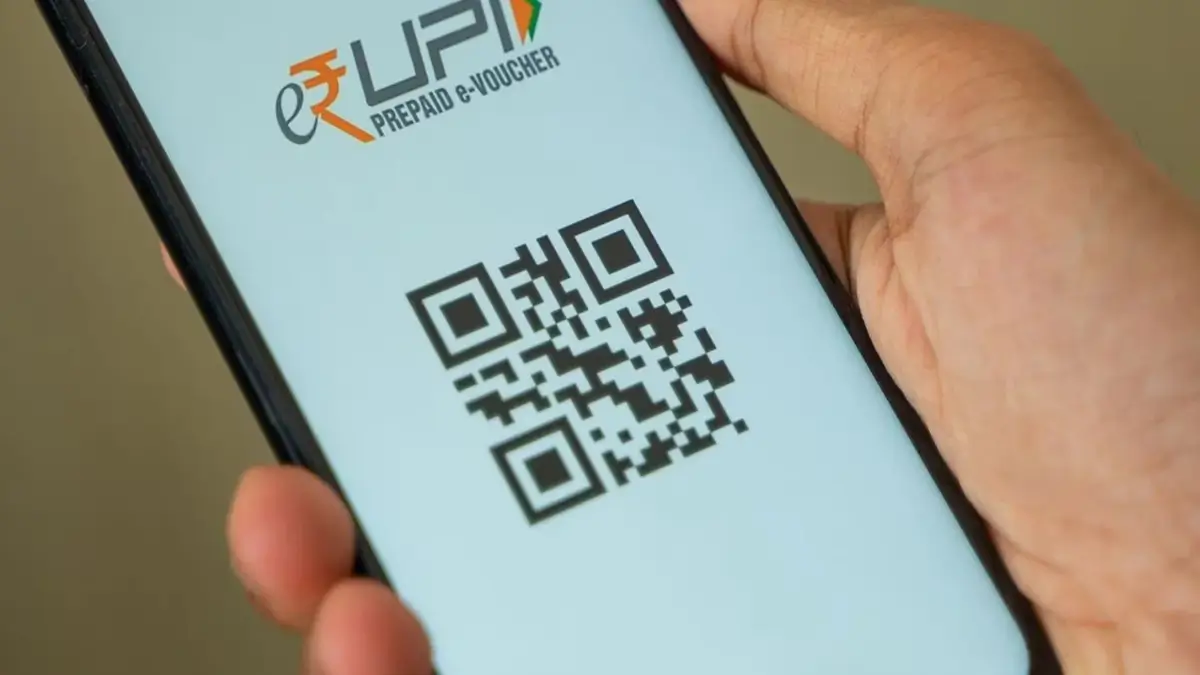
Today, digital payments have become a daily habit in India. From buying vegetables to paying electricity bills, people simply take out their phones and pay within seconds. This smooth system is possible because of UPI. It has made money transfer very fast and simple. But many people are curious to know – which was the first UPI app in India? Let’s know about this in detail in this article.
What is UPI?
UPI stands for Unified Payments Interface. It is a system that allows people to send and receive money directly from their bank accounts using a mobile phone.
It was created by the National Payments Corporation of India. With UPI, you don’t need to remember long bank account numbers or IFSC codes. You just need a simple UPI ID or QR code.
When did UPI Start in India?
UPI was first tested (pilot launch) on 11 April 2016 by NPCI with a few banks. Later in 2016, it was fully launched for the public.
Before UPI, sending money was not so easy. People had to enter many details like account number, IFSC code, and branch name. UPI made everything quicker and easier.
Which was the First UPI App in India?
The answer is a bit interesting because there are two correct answers, depending on what you are asking.
First Private UPI App – PhonePe
PhonePe is considered the first third-party (private) UPI app in India. It was launched in August 2016 in partnership with Yes Bank.
It allowed users to download the app and make UPI payments easily. At that time, this was a big step towards digital payments in India.
First Government UPI App – BHIM
BHIM (Bharat Interface for Money) is the first UPI app launched by the government.
It was introduced on 30 December 2016 by Narendra Modi. The aim was to encourage people to use digital payments and move towards a cashless economy.
BHIM made UPI easy for common people and helped spread it usage across the country.







 UNESCO World Heritage Sites of India - D...
 Jamnagar Refinery: Why India's Oil Hub M...
 UNESCO World Heritage Sites of India - D...