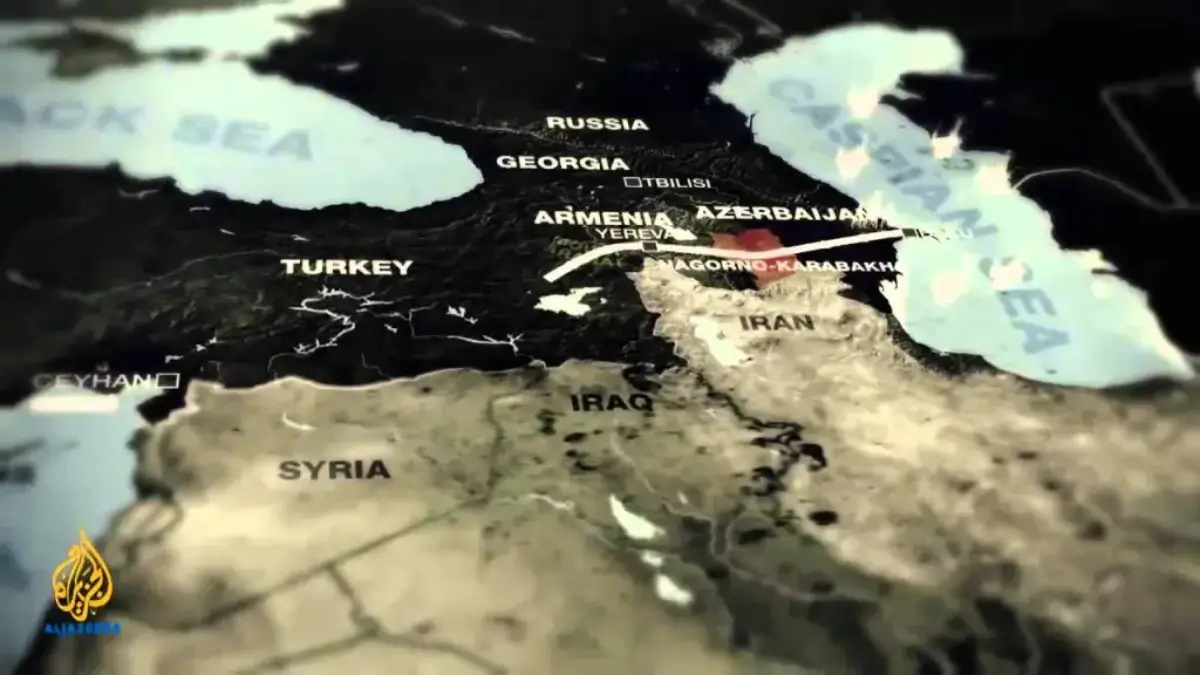
The “Seven Sisters of Petroleum” were seven very powerful oil companies that controlled most of the world’s oil business from the 1940s to the 1970s. They decided how much oil would be produced and at what price it would be sold. Because oil was very important for industries, transport and war, these companies had a huge impact on the global economy and politics.
Who were the Seven Sisters?
The Seven Sisters was a group of seven big oil companies that dominated the global oil market for many years. These companies worked closely together and controlled a large share of oil resources, especially in the Middle East.
The seven companies are:
- Anglo-Iranian Oil Company (now BP)
- Royal Dutch Shell
- Standard Oil of California (now Chevron)
- Gulf Oil
- Texaco
- Standard Oil of New Jersey (now ExxonMobil)
- Standard Oil of New York (now part of ExxonMobil)
The term “Seven Sisters” was given by Italian leader Enrico Mattei in the 1950s to show how these companies had strong control over oil.
How did they Rise to Power?
The rise of the Seven Sisters of Petroleum began in the early 20th century. After the breakup of John D. Rockefeller’s Standard Oil in 1911, many new oil companies were formed. Some of these later became part of the Seven Sisters.
In the 1930s, large oil reserves were discovered in countries like Saudi Arabia and Kuwait. The Seven Sisters gained control over these oil fields. After World War II, their power increased even more as oil became essential for economic growth and development.
Seven Sisters’ Control Over Global Oil
The Seven Sisters had a strong hold on oil production and pricing. They controlled about 85% of the world’s oil reserves outside the USA and USSR.
They used different methods to maintain their control:
- They limited oil production to avoid excess supply.
- They fixed prices to keep profits stable.
- They shared ownership in major oil fields to reduce competition.
Because of this, they could influence global oil prices and economies.
Role in the Middle East
The Seven Sisters had major operations in Middle Eastern countries like Iran, Iraq and Saudi Arabia. They signed agreements with these countries to extract oil.
However, many oil-producing nations were unhappy because they were not getting a fair share of profits. This later led to the formation of OPEC (Organization of the Petroleum Exporting Countries) in the 1960s, which challenged the power of the Seven Sisters.
Mergers and Modern Companies
Over time, many of these companies merged or changed their names. Today, they exist as large modern energy companies.
Some major changes include:
- Exxon and Mobil merged to form ExxonMobil.
- Chevron merged with Texaco and Gulf.
- BP and Shell continued as major global companies.
These companies are still among the biggest oil producers in the world.
Lasting Impact on the Oil Industry
The Seven Sisters played a key role in shaping today’s oil industry. They built pipelines, refineries and transport systems that are still used today.
Their business strategies also influenced how modern oil companies operate. Even today, their legacy can be seen in global energy markets and pricing systems.


 What is the State Flower of Florida? Che...
 Which is the Largest Desert in Asia? Che...
 Which is the Oldest Airlines in the Worl...