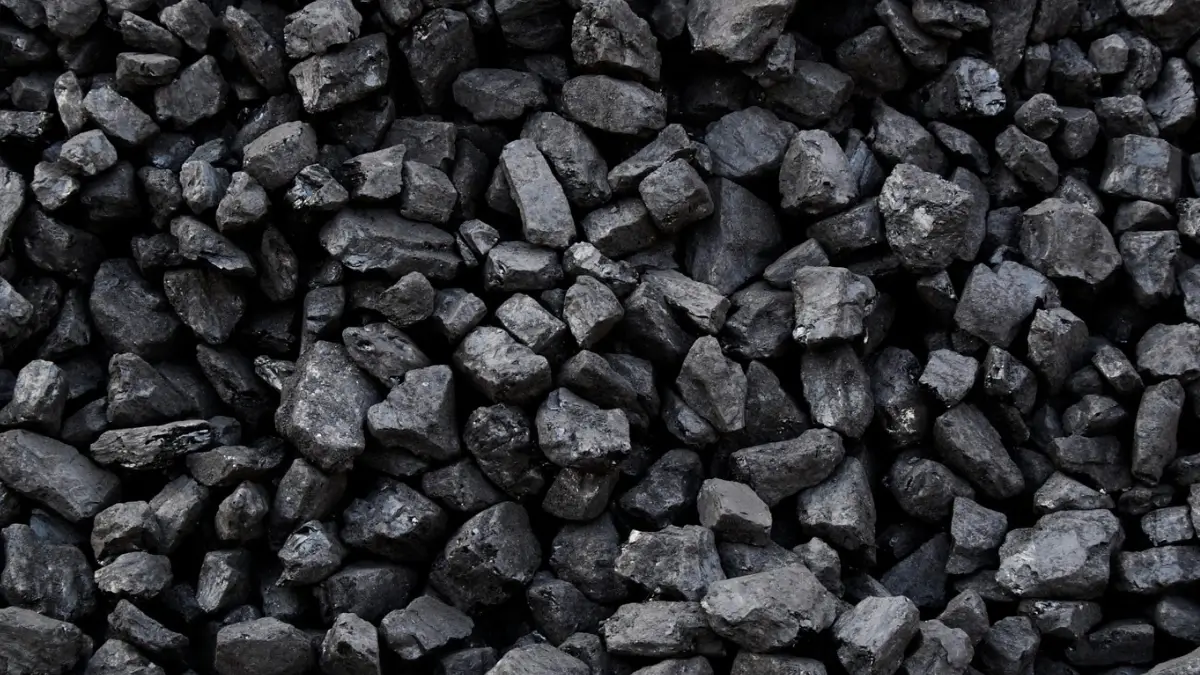
In January 2026, the Government of India took a significant policy step by notifying coking coal as a Critical and Strategic Mineral under the Mines and Minerals (Development and Regulation) Act, 1957. This decision aligns with the national vision of Aatmanirbhar Bharat and Viksit Bharat 2047. Coking coal plays a vital role in steel production, and the move aims to reduce import dependence, strengthen mineral security, and promote domestic mining and exploration.
Strategic Importance of Coking Coal
- Coking coal is an essential raw material for the steel industry, as it is used in blast furnaces to produce coke.
- Although India possesses substantial coking coal reserves estimated at 37.37 billion tonnes the country remains heavily dependent on imports.
- Nearly 95% of the steel sector’s requirement is currently met through imports, resulting in high foreign exchange expenditure. Recognising its strategic value, the government’s decision seeks to secure long-term availability for domestic steel production.
Legal and Policy Framework
- The notification has been issued under Section 11C of the MMDR Act, 1957, following recommendations from the High-Level Committee on Viksit Bharat Goals and policy inputs from NITI Aayog.
- As part of the amendment, “Coal” in Part A of the First Schedule now includes coking coal, while coking coal has been separately listed in Part D as a Critical and Strategic Mineral.
- This legal change enables the Central Government to take a more proactive role in auctions and regulation.
Impact on Mining and Investment
- Classifying coking coal as a critical mineral is expected to accelerate exploration and mining activities, including deep-seated deposits.
- Mining of critical minerals is exempt from public consultation requirements and allows the use of degraded forest land for compensatory afforestation.
- These relaxations are likely to improve ease of doing business, attract private sector participation, and encourage the adoption of advanced mining and beneficiation technologies across the value chain.
Economic and Developmental Benefits
- The reform is anticipated to reduce import dependence, improve supply-chain resilience for the steel sector, and support the National Steel Policy.
- Increased domestic production will help conserve foreign exchange while generating employment in mining, logistics, and steel industries.
- Importantly, as per Section 11D(3) of the MMDR Act, royalties and auction premiums will continue to accrue to State Governments, ensuring balanced federal revenue sharing.
Question
Q. Why has coking coal been declared a Critical and Strategic Mineral by the Government of India?
A. To increase coal exports
B. To reduce dependence on imported steel
C. To ensure mineral security and support the domestic steel sector
D. To nationalise all coal mines


 Jan Vishwas Amendment Bill 2026 Passed: ...
 India's First Digital Census 2027 Begins...
 PM Modi Launches Kaynes Semiconductor Pl...