
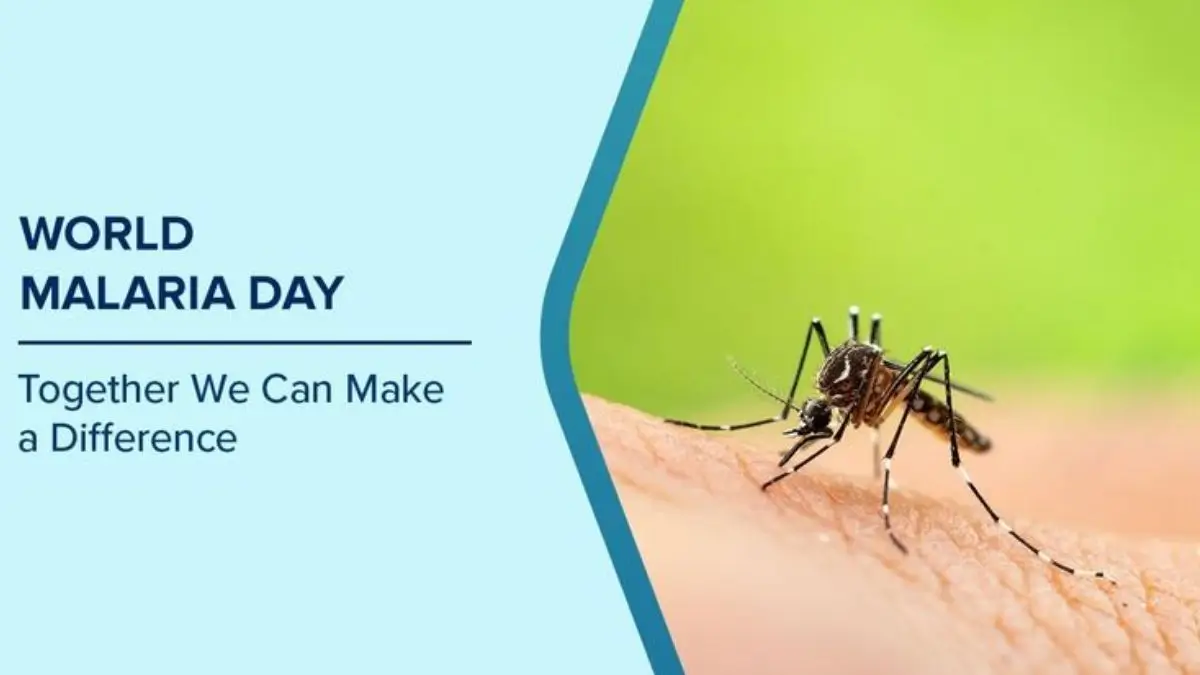
World Malaria Day 2026 is to be observed on the April 25 every year to spread the awareness and push global action to against malaria. This day highlights the progress made over the years and reminding the world of ongoing challenges. The several governments, health organizations and communities have come together to improve the prevention, diagnosis and treatment systems. As with the new vaccines and better strategies the goal is to eliminating the malaria is closer than ever but with the sustained efforts and global cooperation will remain essential the achieve a malaria-free world.
What is World Malaria Day and Why It Matters
World Malaria Day is the international observance which is aimed at combating malaria which is a life-threatening disease.
- It was established by the World Health Organization in the year 2007 and it is first observed in 2008.
- The day have replaced the earlier which was known as Africa Malaria Day.
- It also focuses on to reducing malaria deaths, transmission and economic burden
Global Progress So Far
- The 47 countries have achieved the malaria-free certification.
- Also the 37 countries reported fewer than 1,000 cases in 2024.
- The Strong surveillance and healthcare systems are key to success to overcome the Malaria.
World Malaria Day 2026 Theme
The theme for 2026 is the ‘Driven to End Malaria: Now We Can. Now We Must.’
This theme will highlights the,
- Rapid scientific advancements like the vaccines.
- Also the availability of the modern treatment and vector control tools.
- The urgent need for the immediate global action and funding.
It will also sends the strong message that malaria elimination is the achievable if countries act decisively.
Key Activities Observed Worldwide
On this day the various initiatives are carried out around the world to strengthen awareness and action.
Several governments and NGOs will educate people about symptoms, prevention and the early treatment by using media and community outreach.
Also the free malaria testing camps, distribution of mosquito nets and provide the access to anti-malarial medicines to raise the awareness.
The global organizations will discuss the funding, innovations and the strategies to accelerate elimination.
Also the local communities help by the removing stagnant water along with to promote the cleanliness and will be reducing the mosquito breeding.
Understanding Malaria: Causes, Symptoms and Treatment
Malaria is the parasitic disease caused by the Plasmodium parasites and it is transmitted by infected female Anopheles mosquitoes.
Causes and Transmission
- Disease spread through mosquito bites
- The Major species responsible for this is Plasmodium falciparum (most deadly) and Plasmodium vivax
Symptoms
- Fever and chills
- Headache and fatigue
- Severe cases can lead to the organ failure and death
Vaccines and Treatment
- RTS,S vaccine which is 30-40% effective
- R21 vaccine recommended later
- Early diagnosis and timely treatment are critical
Global Malaria Statistics and Trends
Despite the progress made in malaria remains the major global health concern.
- Also the around 610,000 deaths globally in the year 2024.
- The vaccination programs have been expanding to the 25 countries.
- The nearly 10 million children targeted annually.
- The advanced mosquito nets have now make up 84% of new distributions.
Global Strategy
The WHO’s malaria strategy or the 2016-2030 is aims to reduce malaria cases and deaths by the 90% by 2030
Status of Malaria in India
India has made the remarkable progress but it still faces challenges.
Key Achievements
The 80% reduction in malaria cases from the 2015 to 2023.
Also exited the High Burden to High Impact group in 2024.
Over the 160 districts have reported zero cases (2022-2024).
Current Challenges
- Migration and urbanisation
- Cross-border transmission
- Relapse in the Plasmodium vivax cases
- Limited healthcare access in tribal and remote areas
Government Initiatives like the National Vector Borne Disease Control Program and Malaria Elimination Research Alliance (MERA) India have helped to eradicate the disease in India.
Also the India set the target which has the zero indigenous cases by 2027 and to complete elimination by 2030.








 Indian Air Force Day 2026: 94th Annivers...
 World Space Week 2026 Celebrated with Th...
 World Cerebral Palsy Day 2026: Theme, Si...










