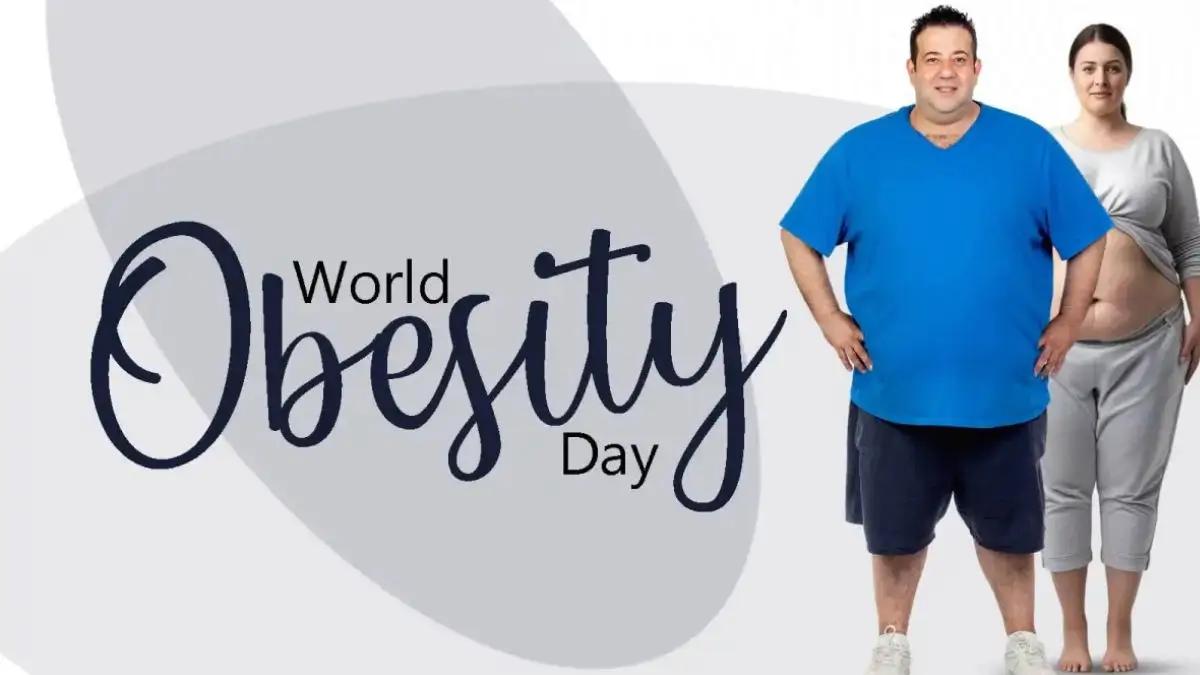
World Obesity Day 2026 will be observed on March 4. This year drawing global attention to one of the most urgent public health challenges of our time with the rising obesity crisis. With obesity rates increasing across all age groups the day highlights the need for urgent and coordinated action. This year’s theme is “8 Billion Reasons to Act on Obesity”. And it is reminds us that every individual on the planet has a stake in building healthier environments, stronger health systems.
History and Significance of World Obesity Day
World Obesity Federation established World Obesity Day in 2015. Initially observed on October 11, it was shifted to March 4 in 2020 to align with other global health initiatives.
The day aims to,
- Promote systemic public health reforms
- Reduce stigma associated with obesity
- Encourage collaboration between governments, healthcare professionals, and communities
- Improve access to nutritious food and physical activity opportunities
Rather than blaming individuals, World Obesity Day 2026 emphasizes that obesity is a complex, chronic disease influenced by biological, social and environmental factors.
World Obesity Day 2026 Theme: “8 Billion Reasons to Act on Obesity”
The theme underscores that obesity is not merely a matter of personal choice. It is shaped by,
- Genetics
- Urban design
- Food systems
- Socio economic conditions
- Healthcare access
By saying “8 billion reasons,” the campaign highlights collective responsibility. Governments, communities, and individuals must work together to address the global obesity crisis.
Key Risk Factors Behind the Global Obesity Crisis
Understanding the causes of obesity is essential for prevention.
- Poor Diet and Physical Inactivity: High intake of processed foods, sugary drinks and unhealthy fats combined with sedentary lifestyles leads to weight gain.
- Genetics: Family history can influence metabolism, appetite and fat storage.
- Environmental Factors: Limited access to healthy food options and safe recreational spaces increases obesity risk.
- Psychological Factors: Stress, depression, anxiety, and emotional eating contribute to unhealthy habits.
- Medical Conditions and Medications: Conditions like hypothyroidism and certain medications can make weight management difficult.
Health Impact of Obesity
The global obesity crisis significantly raises the risk of chronic diseases,
- Heart Disease: Increased blood pressure and cholesterol strain the heart.
- Type 2 Diabetes: Excess fat leads to insulin resistance.
- Stroke: Higher risk due to vascular complications.
- Certain Cancers: Linked to hormonal changes and inflammation.
- Sleep Apnoea: Breathing interruptions during sleep.
- Joint Problems: Osteoarthritis due to excess weight strain.
- Mental Health Issues: Depression, anxiety, and social stigma.
Childhood obesity is especially concerning because early weight gain increases lifelong health risks.
Treatment Options for Obesity
There is no one-size-fits-all solution. Treatment depends on individual health status and severity.
Lifestyle Modifications
- Balanced diet rich in fruits, vegetables, whole grains and lean proteins
Reduced calorie intake
- At least 150 minutes of moderate physical activity weekly
- Behavioural counselling to address emotional eating
Medical Interventions
- Prescription medications under medical supervision
- Cognitive Behavioural Therapy (CBT) for habit modification
Surgical Options
In severe cases, bariatric procedures such as,
- Gastric bypass
- Sleeve gastrectomy
- Gastric banding
Surgery is usually combined with lifestyle changes and long-term monitoring.
Steps to Prevent Obesity
- Prevention remains the most effective strategy.
- Adopt a nutrient-rich balanced diet
- Reduce processed and sugary foods
- Maintain portion control
- Stay physically active
- Get 7-9 hours of quality sleep
- Manage stress effectively
- Schedule regular health check-ups
Small daily lifestyle improvements can significantly reduce long-term obesity risks.
Raising Awareness on World Obesity Day 2026
Raising awareness about the global obesity crisis requires both individual and community efforts.
Individual Level
- Educate yourself about obesity risks
- Promote healthy eating habits
- Challenge stigma and misinformation
Community Level
- Support local fitness and wellness initiatives
- Advocate healthier school meal programs
- Encourage urban planning that promotes physical activity
- Collective action is essential to create sustainable change.
Question
Q. World Obesity Day is observed annually on,
A) March 11
B) March 4
C) March 7
D) March 5


 International Day for the Right to Truth...
 World TB Day 2026: Date, Theme, History,...
 World Meteorological Day 2026: How Weath...