Amit Shah to Inaugurate National ANTF Conference in Delhi

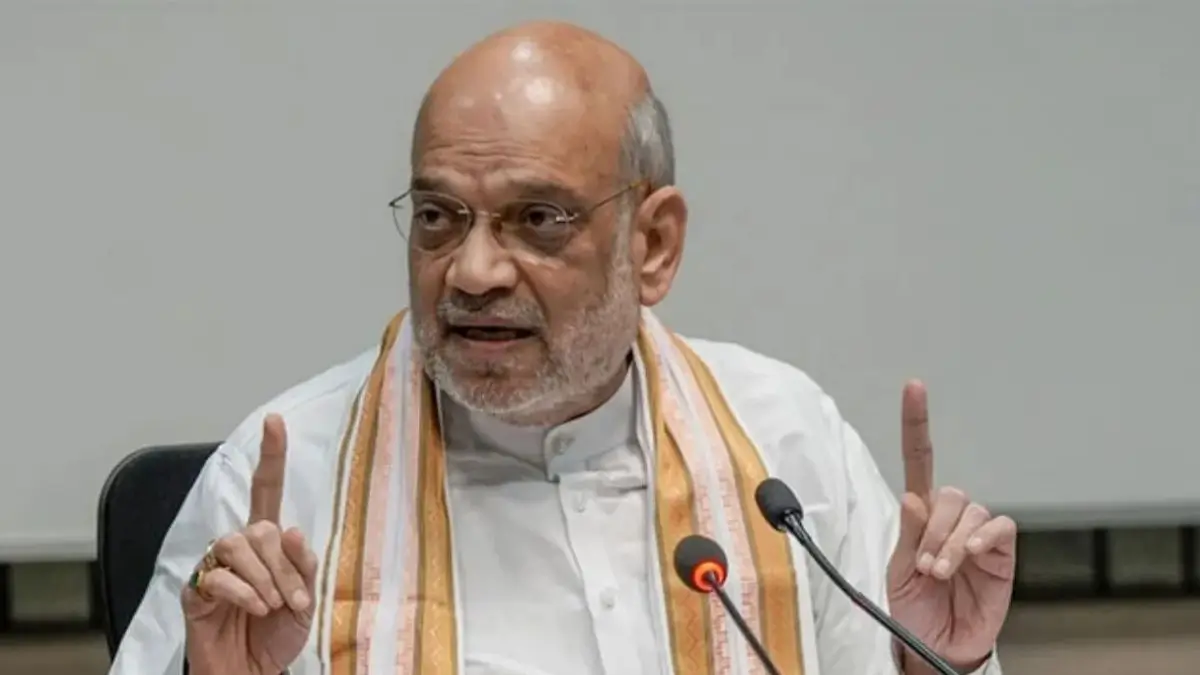
Minister of Home Affairs and Minister of Cooperation Amit Shah is all set to inaugurate the 3rd National Conference of the Heads of States and Union Territories of the Anti-Narcotics Task Force (ANTF) in New Delhi on September 22, 2026. It would be an initiative organized by the Narcotics Control Bureau (NCB) wherein ANTF heads from all the 36 States and Union Territories, along with representatives from different government departments, will come to discuss anti-drug issues.

Amit Shah to Launch Important Anti-Drug Initiatives

On the occasion of this event, Amit Shah will unveil television commercials (TVCs) that will be helpful in creating awareness about drug abuse.

Foundation stone laying ceremony for new NCB Zone Complexes in Lucknow and Dehradun will be performed by Amit Shah during the event. It will also include the felicitation of the best ANTF in terms of performance among the States and Union Territories.

It will also mark the launch of the new website of NCB.

ANTF Conference Theme 2026

The theme of the conference is “United Resolve, Shared Responsibility.”

The discussion will be centered on the achievement of targets set for State and UT ANTFs as mentioned in the recently released Vision Document on Narcotics Control (2026-29).

The strategies for strengthening of three critical areas such as supply reduction, demand reduction and harm reduction would be discussed.

Strategic Pillars of Vision Document

There are four strategic pillars of the Vision Document,

Strategic Pillar and It’s Focus

  1. Enforcement, Intelligence and Operations: Drug law enforcement
  2. Precursors and Synthetic Drugs Control: Precursor chemicals and synthetic drugs control
  3. Demand and Harm Reduction: Demand and harm reduction
  4. Capacity Building and Coordination: Capacity building and coordination

Eight Technical Sessions

This two-day conference will host eight technical sessions that will focus on the various dimensions of narcotic control, such as,

  1. Vision Document 2026-29 – Institutional Mechanisms
  2. Dismantling Network Linkages & Cartels – Part I
  3. Demand Reduction, Prevention & Rehabilitation
  4. Dismantling Network Linkages & Cartels – Part II
  5. Enhancing Enforcement Effectiveness
  6. Precursors, Synthetic Drugs & Clan Labs
  7. Destroying Illicit Cultivation & Alternate Cropping
  8. Darknet & Crypto Investigation

Highlighting the Whole-of-Government Approach

This conference will bring together the State and Union government departments to improve coordination efforts for drug trafficking and drug abuse.

The discussion in the conference is expected to come up with actionable steps in the coming three years and further improve cooperation between the NCB and the State and UT ANTFs.

The larger objective here is to create an effective framework for drug enforcement laws.
Chandni Chowk Town Hall to Become Global Heritage Centre

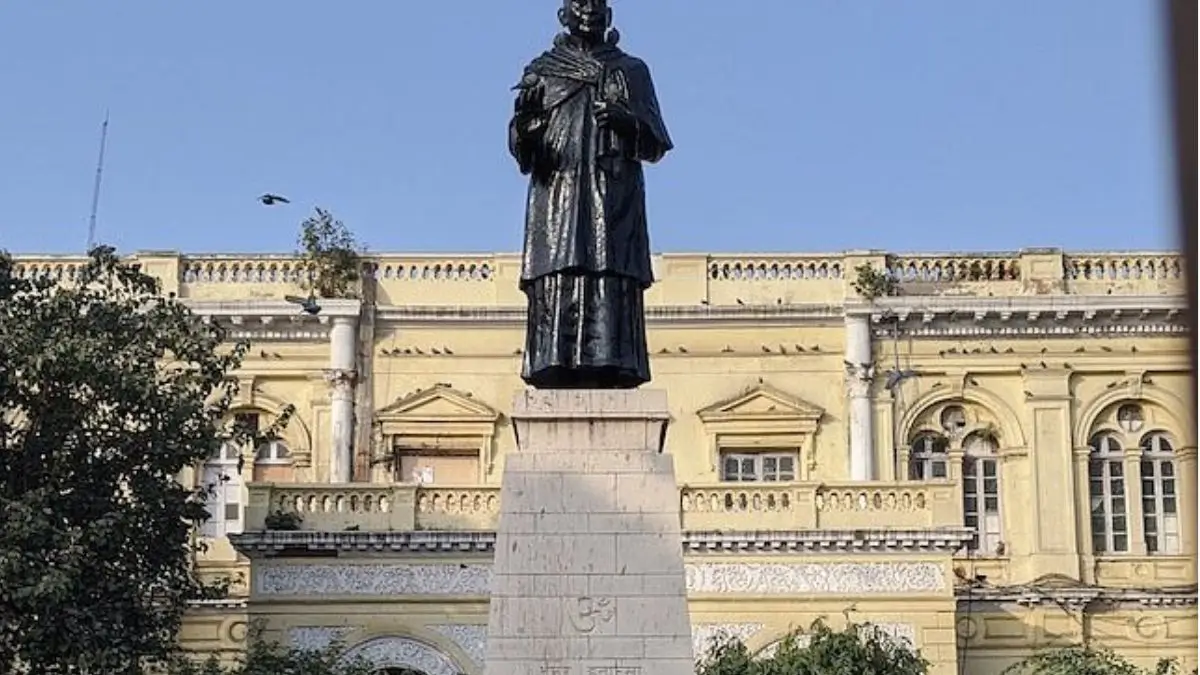
Chandni Chowk’s historic Town Hall complex is gearing up for a new beginning as the government plans to develop it into a Global Heritage Centre. The Delhi government and Municipal Corporation of Delhi (MCD) signed an MoU that will allow it to conserve the Grade-I heritage property while converting it for museums, cultural activities and tourism purposes. This project will cover the historic Town Hall, Press Building and the adjacent park, which covers an area of about 12,180 square metres and will continue to remain a property of MCD.

Delhi Signs MoU for Town Hall Redevelopment

This MoU was signed between DTTDC and MCD in the presence of Chief Minister Rekha Gupta at Delhi Secretariat on September 20, 2026.

This MoU has been drawn up keeping the twin objective of conserving the heritage property along with ensuring contemporary usage for its public use. It is estimated that this Global Heritage Centre will give Delhi a special attraction for all those people interested in visiting places related to Delhi’s history and architecture.

Rekha Gupta, Chief Minister of Delhi, expressed that the Town Hall is a significant piece of historical and architectural heritage of Delhi and its originality shall be preserved.

Historic Town Hall: Exploring Its History

The Town Hall structure is situated in Shahjahanabad-Chandni Chowk and was built between 1860 and 1866.

The building was used for more than five decades as the head office of the Municipal Corporation before shifting its headquarters to the Dr S.P. Mukherjee Civic Centre in 2010.

Since then, the majority of the structure has been lying idle due to which a conservation and adaptive use project is necessary.

Global Heritage Centre: What Would It Contain?

The proposed development would be carried out according to the concept of adaptive reuse. In other words, the historic structure will be allotted a new role without changing its architectural value.

The following elements may form the centre,

  • Museum
  • Facilities for culture
  • Tourism-related activities

Its location near Chandni Chowk and Old Delhi Railway Station further makes the centre suitable for heritage tourism.

Development Plan for the Project

According to the memorandum of agreement, DTTDC shall undertake survey and assessment of the structures before preparing a Detailed Project Report (DPR).

Then the government of Delhi shall consider whether the project shall be carried out with public money or as a Public-Private Partnership (PPP) project.

Also, a Joint Working Group, comprising members from both the DTTDC and MCD, will be formed to oversee the project development.

Smriti Mandhana Becomes Highest Women’s T20I Run-Scorer: Full List

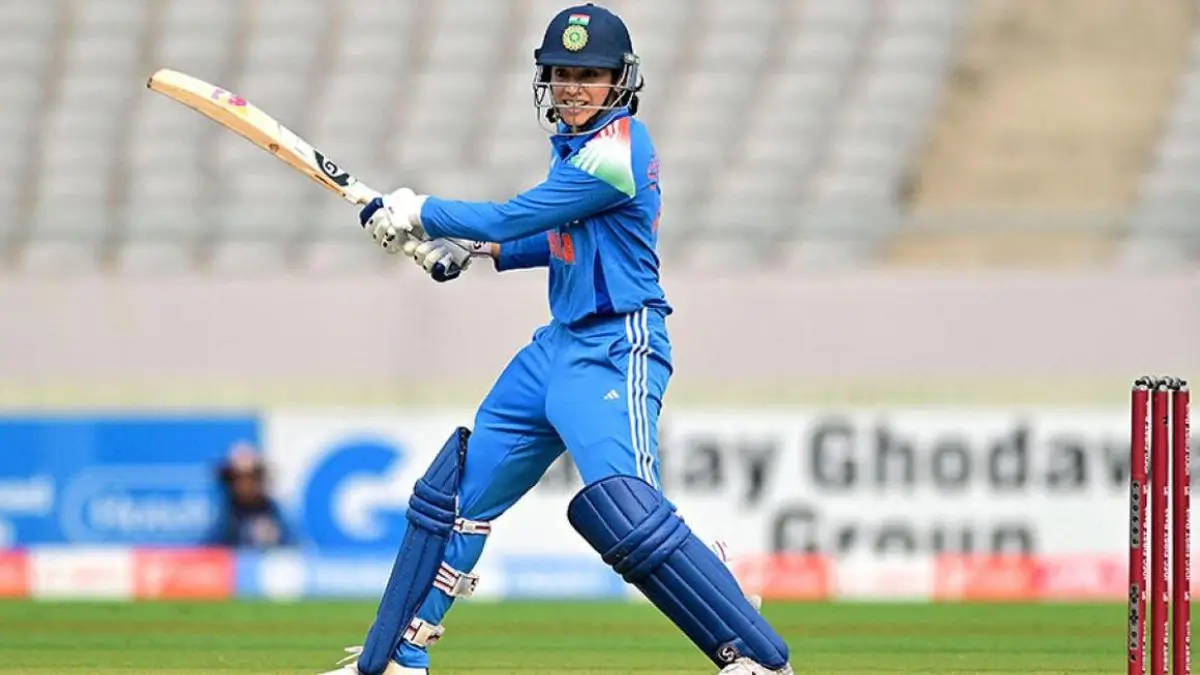
Smriti Mandhana scripted another history in the international cricket again as she became the leading run-getter in Women’s T20I cricket by surpassing New Zealand’s Suzie Bates during the 2026 semi-final of India Women’s Asian Games between India Women and Bangladesh Women in 20 September 2026.

Mandhana smashed 37 runs off just 19 balls with the help of five boundaries and two sixes at a strike rate of 194.47. The run-getting innings saw her surpass Bates’ record to become the leading run-getter in Women’s T20I cricket.

Smriti Mandhana Takes Top Spot in Women’s T20Is

Ahead of the game, Suzie Bates was on top with 4,758 T20I runs. Mandhana surpassed her in the 37-run knock and reached a total of 4,788 runs in her career.

Currently, Smriti Mandhana holds the top spot in the all-time Women’s T20I run-scorers list while India team captain Harmanpreet Kaur sits in third position with 4,287 runs.

Top Run-getters in Women’s T20Is

Rank Player Nation Runs Str.Rate 100s   50s
1 Smriti Mandhana India 4,788 126.55 2 36
2 Suzie Bates New Zealand 4,758 108.60 1 28
3 Harmanpreet Kaur India 4,287 110.46 1 18
4 Chamari Athapaththu Sri Lanka 4,282 114.89 0 16
5 Sophie Devine New Zealand 3,817 123.20 1 24

Smriti Mandhana’s Performance in Women’s International Cricket

Smriti Mandhana’s recent feat is yet another feather in the cap for her as one of the best run scorers in women’s international cricket.

From the data above, it can be seen that Smriti Mandhana has scored 10,966 runs in international cricket, surpassing the former Indian captain Mithali Raj who ended her career after scoring a total of 10,868 runs internationally.

Top run scorers in each format are as follows,

Format High Score Highest No of Runs Scorer Country
Tests 1,935 Jan Brittin England
ODIs 7,805 Mithali Raj India
T20Is 4,788 Smriti Mandhana India
In all Formats 10,966 Smriti Mandhana India

Therefore, Mandhana is now the top run-scorer in both Women’s T20I matches and international women’s cricket in all formats of the game.

India’s Great Batting Showing vs. Bangladesh

Mandhana’s achievement was achieved amidst India’s strong batting showing against Bangladesh in the semifinals of the Asian Games 2026.

Following the rapid 37 from Mandhana, the most valuable contribution was made by Shafali Verma who hammered an unbeaten 100 runs in just 49 deliveries. Her innings saw her hitting three fours and nine sixes, making her strike rate 204.08.

Harmanpreet Kaur scored 40 runs as India reached 195/4 in 20 overs.

This made India well placed to achieve their goal in the upcoming Asian Games 2026 in Aichi-Nagoya.

DRDO to Seek Industry Partner for 30kW Laser Weapon

The Defense Research & Development Organization (DRDO) plans to bring its 30kW-class directed energy weapon (DEW) nearer to production. The organization plans to release an Expression of Interest (EOI) in the next six months for seeking an industrial partner that would develop the system’s first-of-production model (FOPM). The DEW system based on laser mounted on a truck chassis is meant to deal with drones and it has the capability to counteract drone swarms, fixed-wing UAVs and surveillance sensors at ranges up to 5 km.

What Next for DRDO 30kW Laser Weapon?

Dr BK Das, Director General (Electronics & Communication Systems) at DRDO, said that DRDO would start the process of selecting an industrial partner in the next six months.

The final trial of the system was conducted in August 2025. According to DRDO, the technology has been demonstrated and proved, but it needs more work to be done before reaching the FOPM stage.

Currently, 30kW DEW is the most powerful DEW system developed by DRDO.

Why Counter-Drone Systems Are Important

Due to increased use of drones, there is now greater demand for systems that can counter numerous drones of low cost.

In Operation Sindoor, carried out in May 2025, extensive usage of drones was made on both sides. As per the report, Pakistan used low-cost probing drones to detect Indian air defence and possibly force the use of costly interceptors against them.

There are other types of responses in the form of directed energy weapons. The high-powered laser beam does not fire missiles or projectiles at the target.

How Does a Directed Energy Weapon Work?

DEW systems use directed energy, including lasers and microwaves, to destroy certain parts of an aerial threat like the engines and other electronic components.

One benefit is that the beam moves at the speed of light, enabling the weapon to target a threat without having to factor in the flight time, which comes with traditional ammunition.

DEW systems become very important when it comes to targeting drones and UAVs.

2kW and 10kW DEW Systems of DRDO

The 30kW system forms part of the bigger initiative towards development of various categories of Directed Energy Capability.

DRDO’s 2kW DEW is currently being produced with Adani, Astra, and Bharat Electronics Limited (BEL) being the manufacturing companies.

The 10kW DEW has made further progress too. It has already gone through the Acceptance of Necessity (AoN) stage and 10-12 units have been ordered for procurement. The DCPPs chosen for developing and production are Larsen & Toubro and BEL. The DEW can engage the target from a distance of 1.5 – 2km.

What is the OODA Loop in Air Defence?

The directed-energy weapons are supposed to work inside the OODA loop (observe, orient, decide and act).

The air defence systems first detect the objects using radar, electro-optics, infrared, spectrum and acoustic detection. After that, analysis of the data collected allows identifying the target and taking action.

Angh: Nagaland Film Wins Platform Prize at TIFF 2026

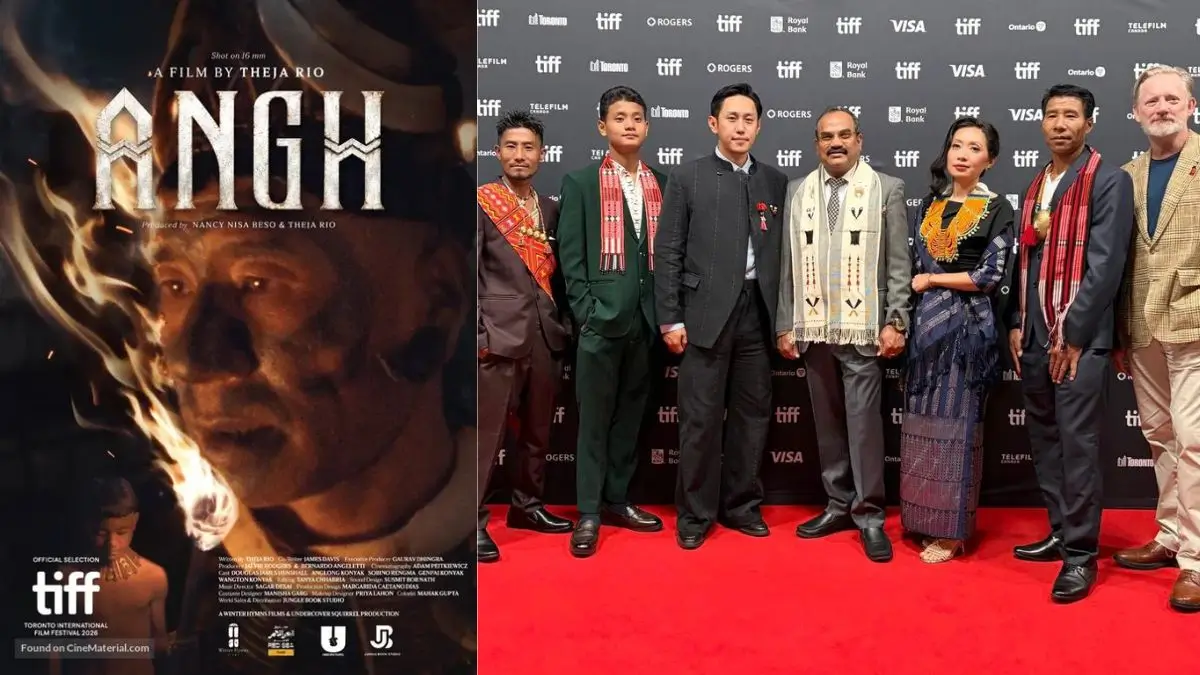
Theja Rio, a filmmaker from Nagaland, India, has won the Platform Prize at the Toronto International Film Festival (TIFF) 2026 with his film titled Angh. This is an important milestone for Naga and Indian cinema. The Konyak language film is one of the 12 films that have been selected for the competitive Platform Programme at TIFF. The Platform Prize comes with a guaranteed entry into Oscar contention for the 2026 Academy Awards’ best international feature film category under a newly introduced route.

Angh Wins Platform Prize at TIFF 2026

Thegh has been awarded the Platform Prize which is TIFF’s top award in its competitive Platform section. The jury lauded the film on the basis of the perspective of the film, the way of filmmaking, the world that the film portrays and Rio’s visionary and brave approach. The Platform is designed to feature films with distinct storytelling and directorial visions. This prize is given along with a cash prize of C$20,000 and a trophy.

Jury members of the 2026 TIFF were Pablo Trapero, Amma Asante, Sylvia Chang, Luc Déry, and Albert Lee.

All About Angh

Angh is set in the Nagaland region of northeastern India in the early 1960s. It is filmed in the language called Konyak. The story revolves around a former village chief and his young son who live in one of the few remaining communities adhering to an ancient tradition of life.

However, the arrival of an American missionary brings religious, cultural, and social questions to this isolated world and complicates the father-son relationship even more.

This film includes Native actors from Nagaland together with Scottish actor Douglas Henshall.

How Can Angh Obtain the Oscars Qualification Pathway?

This victory is even more important considering that the Academy has launched a new pathway for the 99th Academy Awards.

According to the new system, a foreign language movie can earn its qualification for the category of International Feature Film by participating in the country/region submission pathway or by winning a particular award at one of the six international film festivals.

Such awards include Golden Bear from Berlin, Busan Award from Busan, Palme d’Or from Cannes, World Cinema Grand Jury Prize from Sundance, Platform Award from Toronto, and Golden Lion from Venice.

Angh is the first movie to take advantage of TIFF’s new designation.

Angh and India’s Oscars Odyssey

While Angh is one of the Indian films in connection with the 2027 Oscars, another Marathi film, Gondhal, directed by Santosh Davakhar, was picked as India’s official entry through the conventional country selection process.

Thus, the two films enter the process of being considered for the International Feature Film category through different processes – Gondhal as India’s official selection and Angh through the TIFF Platform Prize.

What the TIFF Award Means for Angh

The award highlights the importance of Naga Cinema and filmmakers from the North East in particular using the Konyak language on the global stage at the film festivals.

As Rio said, it was significant in the sense that it helped gain international recognition for a film from an indigenous region and tribal language.

Asian Games 2026 Day 2: India’s Medal Winners and Tally Tracker

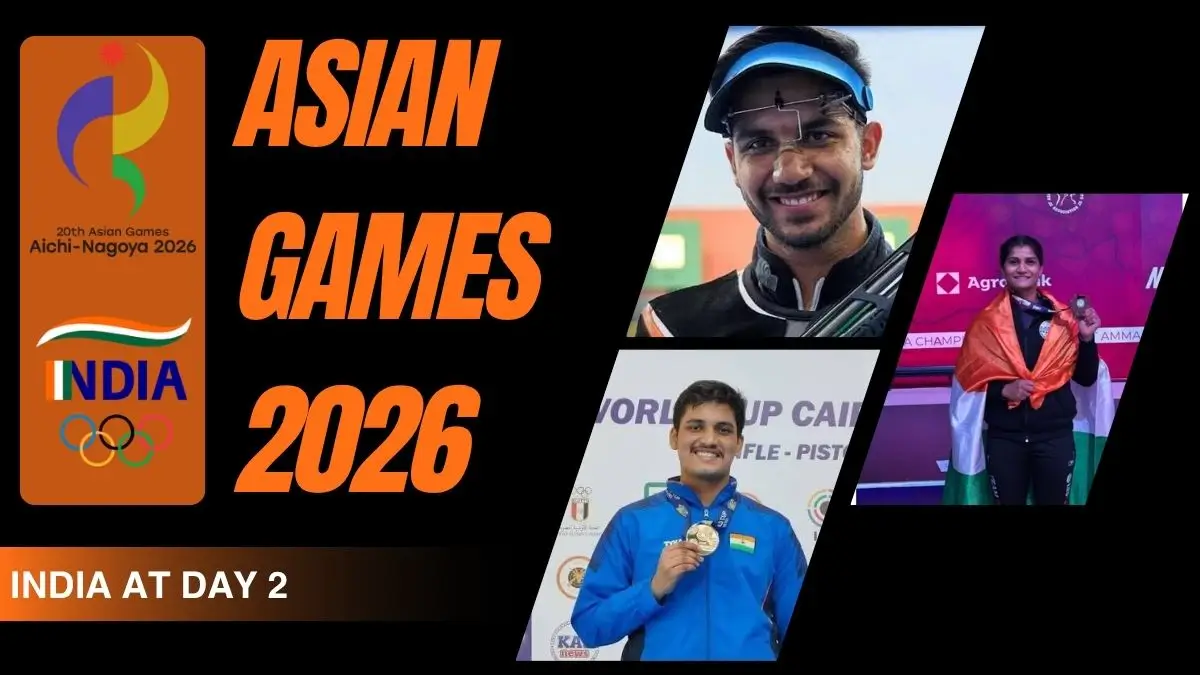
India maintained its momentum at the Asian Games 2026 in Aichi-Nagoya, Japan, on Day 2 of the tournament. Following its two medals on Day 1, India managed two more silvers and two bronze medals on Day 2.

India’s medal haul was again spearheaded by shooting, where Himanshu Dhillon claimed silver, while Rudrankksh Patil clinched bronze in the men’s 10m air rifle individual discipline. Himanshu Dhillon and Rudrankksh Patil also won team silver, together with Parth Mane.

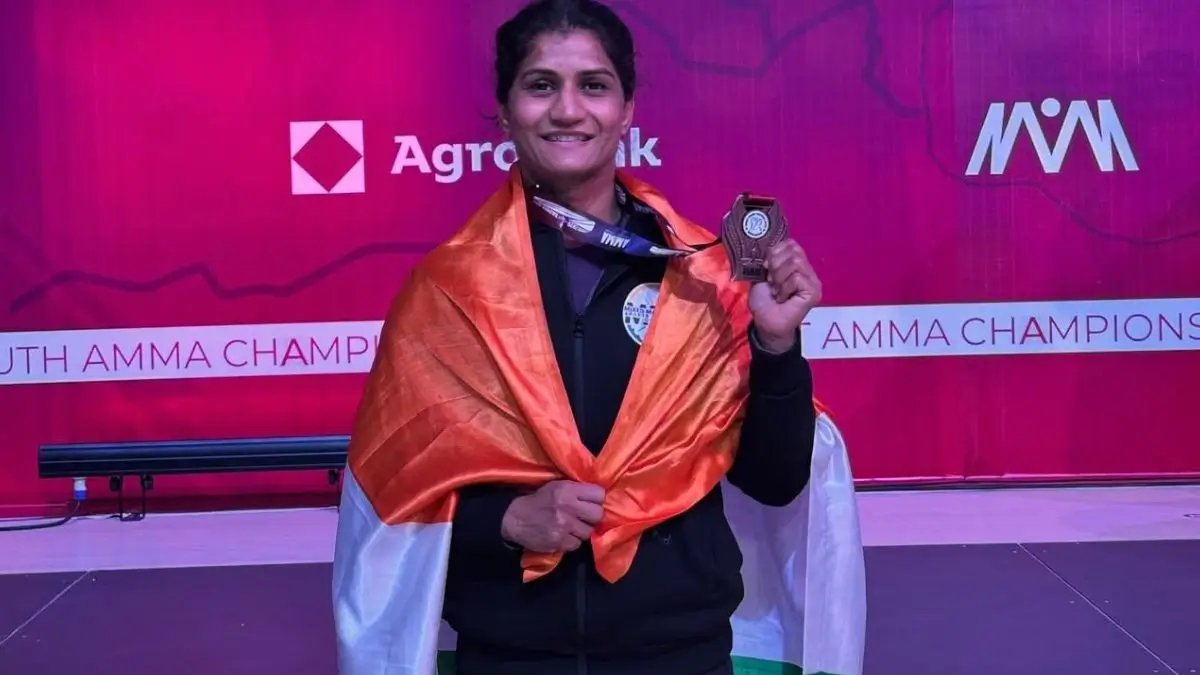
India also got its first-ever Asian Games medal in the sport of mixed martial arts, where Suchika Tariyal won bronze in the women’s traditional 60kg discipline.

India At Asian Games 2026: Day 2 Medal Winner’s Tally

Medal Total Winners
Gold 0
Silver 2
Bronze 2
Total 4

India’s Overall Medal Tally Asian Games 2026

Medal Total Winners
Gold 0
Silver 4
Bronze 2
Total 6

India’s Medallists in Day 2 At Asian Games 2026

Himanshu Dhillon – Silver, Individual 10m Air Rifle

Himanshu Dhillon put in an impressive effort in the individual event of the men’s 10m air rifle competition, placing second with 252.4 points to clinch the silver medal.

Sheng Lihao from China took home the gold medal with 254.2 points, while the Indian athlete Rudrankksh Patil grabbed the bronze medal.

Rudrankksh Patil – Bronze, Individual 10m Air Rifle

India’s medal tally saw yet another medal through Rudrankksh Patil who won the bronze medal with a score of 230.9 points.

Rudrankksh Patil had qualified for the individual final with a score of 631.8 points. Himanshu Dhillon qualified for the final seventh with 630.0 points

Rudrankksh Patil, Himanshu Dhillon, Parth Mane – Silver

India got a silver medal in the men’s 10m air rifle team event too. The team consisting of Rudrankksh Patil, Himanshu Dhillon and Parth Mane got second position after China.

The bronze medal was bagged by South Korea, which gave India another medal in shooting.

Suchika Tariyal – Bronze, Women’s Traditional 60kg MMA

Suchika Tariyal got a bronze medal in the women’s traditional 60kg MMA event after making her way to the semifinals.

She beat Mongolia’s Altanchimeg Baigalmaa 2-0 in the quarterfinals and lost her semifinal match against Singapore’s Teo Hui Hoon.

India Secures Some Wins in Team Contests

India was also successful in their team competitions on Day 2.

The women’s hockey team has been performing well against the Indonesian women’s team. India had an edge of 14-1 against the Indonesian team, with many players contributing to the team’s scoring.

In the men’s Kabaddi competition, India beat Japan by a scoreline of 49-24 in their first Group A game. India had been winning since the beginning of the game and were leading 31-9 at halftime.

The women’s table tennis team of India beat Pakistan 3-0 in their first round contest.

Results of Other India on Day 2

  • Boxing: Sumit Kundu beat Thailand’s Bunjong Sinsiri in the men’s 70kg Round of 32 and went to the Round of 16.
  • Swimming: Srihari Nataraj won a place in the men’s 50m backstroke finals after timing 25.37 seconds.
  • Swimming: Rishabh Das ranked fourth in his heat in the 50m backstroke event and was selected as the reserve for the finals.
  • Swimming: Dhanush Suresh ranked 22nd in total in the men’s 100m breaststroke event.
  • Swimming: Mani Akash and Geetesh Shah ranked 26th and 28th respectively in the men’s 50m freestyle event.
  • Wushu: Nyeman Wangsu ranked 15th in the women’s Changquan final.
  • Soft Tennis: Aadhya Tiwari and Jay Meena won the group stage but lost in the Round of 16.
  • Sepaktakraw: India lost to Japan 1-2 in the men’s team regu Group B match.
  • Table Tennis: India beat Pakistan 3-0 in the women’s team event and qualified for the quarterfinals.

Suchika Tariyal Wins Historic MMA Bronze for India At Asian Games 2026

The first ever Indian athlete to clinch an MMA medal at the Asian Games 2026 has been Suchika Tariyal. She achieved this feat at the Aichi-Nagoya Games by winning a bronze medal in the women’s traditional -60kg event. The 36-year-old won the bronze after reaching the semi-finals in the event. Her semi-final run came to an end after she was defeated narrowly by Singapore’s Hui Hoon Teo in the semi-finals. The Indian athlete won her quarter-final bout 2-0 against Mongolia’s Altanchimeg Baigalmaa to reach the semi-finals.

Suchika Tariyal’s Asian Games Medal

Tariyal’s medal is important in MMA history as MMA made its debut as a sport at the Aichi-Nagoya Games 2026.

Tariyal lost narrowly in her semi-final bout against Singapore’s Hui Hoon Teo, who took the bout to overtime. This was enough for the defeat of the Indian athlete and thereby ended her medal run.

However, she managed to secure her country’s first medal in the sport by reaching the semi-finals stage.

Earlier, she won her quarter-final bout against Mongolia’s Altanchimeg Baigalmaa by 2-0.

A Career Spanning Different Combat Sports

In addition to the Asian Games bronze medal, Tariyal has had an impressive career in different combat sports.

She is a national-level judoka and participated in the 2022 Commonwealth Games held in Birmingham, reaching the bronze medal round. Later, she participated in kurash in the 2023 Asian Games.

Subsequently, she found her niche in Jiu-Jitsu and clinched a world championship in fighting Jiu-Jitsu in 2024.

Her experience in different combat sports helped her return to MMA after many years out of action.

MMA Return of Suchika Tariyal

In 2017, Tariyal had a professional debut in MMA and won her very first fight. Subsequently, she left the sport for seven years to focus on judo and Jiu-Jitsu.

She returned to MMA in November 2024 and signed up for a multi-fight contract with BRAVE Combat Federation.

However, she has faced her own share of ups and downs throughout her sports career, one of which included a knee injury. She gained fame among Indians by featuring in the television show Roadies.

MMA Makes First Appearance at Asian Games

There are six sports that will make their first appearance at the Asian Games through Aichi-Nagoya 2026.

The other five sports that will be introduced include,

  • Freestyle BMX
  • Teqball
  • Padel
  • Surfing
  • Virtual taekwondo

The addition of MMA allows athletes involved in combat sports to compete in this multi-sport competition in Asia.

Reason Why Suchika Tariyal’s Bronze Matters

Although Suchika Tariyal did not participate in the finals, it was her bronze that marked her as an individual who has won a medal in MMA at the Asian Games on behalf of India.

With judo, kurash, Jiu-Jitsu and MMA already part of her career, this bronze is a milestone in her career in the world of combat sports.

World Alzheimer’s Day 2026: Theme, Symptoms and Key Facts

World Alzheimer’s Day 2026 falls on September 21 and is celebrated as part of World Alzheimer’s Month to raise awareness of Alzheimer’s disease and other dementias. The 2026 theme is “The Earlier You Know, The More You Can Do: A Dementia Diagnosis Matters,” emphasizing the importance of early diagnosis and support. Alzheimer’s disease is the most common form of dementia and causes problems with memory, thinking, and performing activities of daily life. The campaign aims at breaking down stigma and encouraging people to see the doctor for a medical evaluation for any changes.

Theme for World Alzheimer’s Day 2026

“The Earlier You Know, The More You Can Do: A Dementia Diagnosis Matters” is the theme of the year 2026.

According to Alzheimer’s Disease International (ADI), the campaign aims at tackling stigma and discrimination and emphasizing the advantages of early diagnosis.

An early diagnosis helps people with dementia and their families and carers get treatment and care and plan for the future.

What Is Alzheimer’s Disease?

Alzheimer’s disease is a progressive neurological disorder, and the most common type of dementia. Dementia refers to a broad range of conditions characterized by problems with memory, reasoning, thinking, and behaviour.

As stated by the WHO, Alzheimer disease might account for 60-70% of dementia cases worldwide. Dementia is not a normal nor an inevitable process in old age; however, old age is the greatest known risk factor for the condition.

Common Symptoms of Alzheimer’s

Symptoms may differ from one person to another, yet usually include the following,

  • Memory impairment affecting daily life
  • Trouble with decision-making and problem-solving
  • Loss of items and being unable to trace back steps
  • Confusion regarding time and place
  • Problems with words and conversations
  • Struggle to complete familiar tasks
  • Mood changes

There are various reasons for those symptoms; hence, it is important to consult a physician if any of them become worse over time.

Alzheimer’s Disease Stages

The Alzheimer’s disease has been categorized into early, moderate, and advanced stages, even though the stages vary for different individuals.

Early Stage: Memory and cognitive impairments may be evident, but an individual can manage most daily activities on their own.

Moderate Stage: Memory, language, reasoning, and daily tasks are more difficult and hence the patient will need more assistance.

Advanced Stage: Extensive assistance is needed with personal hygiene, feeding, mobility, and communicating.

Causes and Risk Factors

There are various factors that influence the development of the Alzheimer’s disease and include biological and genetic among others. Abnormal brain conditions such as the buildup of some proteins have been linked to the Alzheimer’s disease.

Age and genetic history are some of the risk factors of the disease. In the case of dementia, some of the risk factors identified by WHO include lack of exercise, smoking, alcohol consumption, high blood pressure, diabetes, high cholesterol, social isolation, deafness, and pollution.

How Is Alzheimer’s Disease Diagnosed?

The diagnosis typically takes the form of the patient’s medical history, a test of his or her cognitive abilities and physical/neurological examination. Laboratory tests and brain scans may be required in some cases, depending on the circumstances of each individual case, to rule out any other causes of dementia.

According to WHO, proper and timely diagnosis is an essential component of receiving proper care and support.

Treatment and Risk Reduction

Dementia is untreatable at present, however, there are various treatments and interventions that may help control the symptoms and enhance the quality of life of affected individuals. Treatment regimens may include medications, rehabilitation, cognitive stimulation, physical activities, socialization and support for caregivers.

The latest WHO recommendations published in 2026 recommend actions such as regular physical activities, non-smoking, reduction of harmful alcohol consumption, good nutrition, social and cognitive engagement and controlling hypertension, diabetes and high cholesterol levels.

National Film Awards 2026: History, Categories and 72nd Award Winners

The National Film Awards constitute the most prestigious and highest accolades that are awarded to the filmmakers for their work in cinema in India. Awarded since 1954, the award includes a range of recognition for creative and technical achievement in feature films, non-feature films and the field of film criticism.

The winners of 72nd National Film Awards include films released in the year 2024. The award recipients will be announced on 18 July 2026 whereas the awards ceremony will take place on 22 September 2026 in Ekta Nagar, Gujarat, India.

History of National Film Awards

The history of Indian movies dates back to Dadasaheb Phalke’s film Raja Harishchandra, released in the year 1913. National film awards were suggested by the Film Enquiry Committee which came up in the year 1949.

The very first National Film Awards were organized in 1954 for films released during the previous year. For the category of Best All India Feature Film, the film Shyamchi Aai got President’s Gold Medal, while the documentary film Mahabalipuram got the award for Best Documentary Film.

National Film Awards have been growing gradually from the beginning of their inception. Recognition for actors and technicians for their performances started for the year 1967. The first award for the categories of Best Actor and Best Actress was given in 1968 to Uttam Kumar and Nargis respectively.

The History of the National Film Awards

Year Historical Event
1913 The film Raja Harishchandra was produced by Dadasaheb Phalke
1954 Institution of the National Film Awards
1967-68 Introduction of acting and technical awards
1969 The Dadasaheb Phalke Award was instituted
1973 The Directorate of Film Festivals started administering the awards
2022 Merging of the Directorate with the NFDC
2026 The 72nd National Film Awards ceremony will be held in Ekta Nagar

Categories of National Film Awards

These awards are categorized into three broad groups: Feature Films, Non-Feature Films and Best Writing on Cinema. The Dadasaheb Phalke Award is the lifetime achievement award for the ceremony.

Section Categories Award
Feature Films 26, along with Special Mentions Swarna Kamal, Rajat Kamal
Non-Feature Films 16, along with Special Mentions Swarna Kamal, Rajat Kamal
Best Writing on Cinema 2 Swarna Kamal
Dadasaheb Phalke Award 1 Swarna Kamal and shawl

There are 26 feature film categories including Best Feature Film, Best Direction, acting, cinematography, music direction, costume design and children’s film. The non-features include documentary, short film and animation categories.

National Film Awards Selection Process

Only such films which have received certification from the CBFC in the particular year are eligible for consideration according to the conditions of eligibility. In case of Feature Films, there is a two-stage selection process.

In the first stage, five regional panels study and select films throughout India. The final selection in the Feature Film category is made by a central jury panel. The juries consider non-Feature Films and Best Writing on Cinema separately.

In case of the Dadasaheb Phalke Award, the process is different. There are no nominations; only an expert committee composed of eminent film personalities selects the awardee.

For the 72nd edition of National Film Awards, Jayaraj presided over the Feature Film Jury while Aseem Sinha chaired the Non-Feature Film Jury and A. Chandrasekhar chaired the Best Writing on Cinema Jury.

Dadasaheb Phalke Award for 2024 To Be Awarded to Veteran Actor Anant Nag

Anant Nag will be honored with the prestigious Dadasaheb Phalke Award for 2024. The Indian Government announced his name for this award on 16th September, 2026.

Anant Nag was born on 4th September, 1948 in Karnataka. He started his acting career in the early 1970s and has appeared in over 300 films in six Indian languages as well as in his renowned TV serial “Malgudi Days”.

Anant Nag won the Padma Bhushan award in 2025. Some other previous awardees are Mohanlal (2023), Mithun Chakraborty and Waheeda Rehman.

72nd National Film Awards, 2024 Feature Films Section Winners List

No. Award Category Film Language Winner/Awardee Medal and Cash Prize
1 Best Feature Film Article 370 Hindi Producer: Jio Studios & B62 Studios; Director: Aditya Suhas Jambhale Swarna Kamal & Rs. 3,00,000/-
2 Best Debut Film of a Director Swatantrya Veer Savarkar Hindi Director: Randeep Hooda Swarna Kamal & Rs. 3,00,000/-
3 Best Popular Film Providing Wholesome Entertainment Kalki 2898 AD Telugu Producer: Vyjayanthi Movies; Director: Nag Ashwin Singireddy Swarna Kamal & Rs. 3,00,000/-
4 Best Feature Film Promoting National, Social and Environmental Values Captain Miller Tamil Producer: Sathya Jyothi Films; Director: Arun Matheswaran Rajat Kamal & Rs. 2,00,000/-
5 Best Children’s Film 35- Chinna Katha Kaadu Telugu Producer: S Originals & Waltair Productions Pvt. Ltd.; Director: Nanda Kishore Emani Swarna Kamal & Rs. 3,00,000/-
6 Best Direction Amaran Tamil Director: Rajkumar Periasamy Swarna Kamal & Rs. 3,00,000/-
7 Best Actor in a Leading Role Bramayugam Malayalam Mammootty Rajat Kamal & Rs. 2,00,000/- (Shared)
7 Best Actor in a Leading Role Chandu Champion Hindi Kartik Aaryan Rajat Kamal & Rs. 2,00,000/- (Shared)
7 Best Actress in a Leading Role Article 370 Hindi Yami Gautam Rajat Kamal & Rs. 2,00,000/- (Shared)
8 Best Actor in a Supporting Role Bhakshak Hindi Sanjay Mishra Rajat Kamal & Rs. 2,00,000/- (Shared)
8 Best Actress in a Supporting Role Maharaja Tamil Sachana Namidass Rajat Kamal & Rs. 2,00,000/- (Shared)
8 Best Actress in a Supporting Role Mithya Kannada Ropashree Varkady Rajat Kamal & Rs. 2,00,000/- (Shared)
9 Best Child Artist Mithya Kannada Athish S Shetty Rajat Kamal & Rs. 2,00,000/- (Shared)
9 Best Child Artist 35- Chinna Katha Kaadu Telugu Arundev Pothula Rajat Kamal & Rs. 2,00,000/- (Shared)
9 Best Child Artist Onko Ki Kothin Bengali Riddhiman Banerjee, Tapomoy Deb & Gitashree Chakraborty Rajat Kamal & Rs. 2,00,000/- (Shared)
10 Best Male Playback Singer Gharat Ganpati Marathi Abhay Jodhpurkar – “Navasachi Gauri Mazi” Rajat Kamal & Rs. 2,00,000/-
11 Best Female Playback Singer A. R. M Malayalam Vaikom Vijayalakshmi – “Angu Vaana Konilu” Rajat Kamal & Rs. 2,00,000/-
12 Best Cinematography Bramayugam Malayalam Shehnad Jalal Rajat Kamal & Rs. 2,00,000/-
13 Best Screenplay Pushpa (The Rule Part – 02) Telugu Bandreddi Sukumar – Original Rajat Kamal & Rs. 2,00,000/- (Shared)
14 Best Screenplay Swargandharva Sudhir Phadke Marathi Yogesh Deshpande – Adapted Rajat Kamal & Rs. 2,00,000/- (Shared)
14 Best Screenplay Lucky Baskhar Telugu Venky Atluri – Dialogue Rajat Kamal & Rs. 2,00,000/-
15 Best Sound Design Bhool Bhulaiyaa 3 Hindi Manas Choudhury Rajat Kamal & Rs. 2,00,000/-
16 Best Editing Amaran Tamil R. Kalaivannan Rajat Kamal & Rs. 2,00,000/-
17 Best Production Design Kalki 2898 AD Telugu Nitin Zihani Choudhary Rajat Kamal & Rs. 2,00,000/-
18 Best Costume Design Pushpa (The Rule Part – 02) Telugu Deepali Noor & Sheetal Sharma Rajat Kamal & Rs. 2,00,000/-
19 Best Make-up Committee Kurrollu Telugu P Ravi Kumar Rajat Kamal & Rs. 2,00,000/-
20 Best Music Direction Article 370 Hindi Shashwat Sachdev – Songs Rajat Kamal & Rs. 2,00,000/-
20 Best Music Direction Amaran Tamil G. V. Prakash Kumar – Background Music Rajat Kamal & Rs. 2,00,000/-
21 Best Lyrics Maidaan Hindi Manoj Muntashir – “Jaane Do” Rajat Kamal & Rs. 2,00,000/-
22 Best Choreography Stree 2 Hindi Vijay Ganguly – “Aaj Ki Raat” Rajat Kamal & Rs. 2,00,000/-
23 Best Action Direction (Stunt Choreography) Maharaja Tamil Anl Arasu Rajat Kamal & Rs. 2,00,000/-

Best Feature Film – Schedule VIII Languages Winners List

No. Category Winning Film Winner/Awardee Medal & Cash Prize
25(a) Best Assamese Film Juiphool Producer & Director: Jadumoni Dutta Rajat Kamal & Rs. 2,00,000/-
25(b) Best Bengali Film Chalchitra Ekhon Producer: Anjan Dutt Production; Director: Anjan Dutt Rajat Kamal & Rs. 2,00,000/-
25(c) Best Gujarati Film Maaran Producer: Cineman Productions Limited; Director: Abhishek Jain Rajat Kamal & Rs. 2,00,000/-
25(d) Best Hindi Film Srikanth Producers: Super Cassettes Industries Pvt. Ltd. & Chalk N Cheese Films Production LLP; Director: Tushar Hiranandani Rajat Kamal & Rs. 2,00,000/-
25(e) Best Kannada Film Mithya Producer: Paramvah Pictures & KRG Studios; Director: Sumanth Bhat Rajat Kamal & Rs. 2,00,000/-
25(f) Best Konkani Film Mog Asum Producers: Flowing Mandovi Films LLP, R S Creations & Kathputlee Arts and Films Pvt. Ltd.; Directors: Radheshyam Pipalwa & Agnelo Angelo Braganza Rajat Kamal & Rs. 2,00,000/-
25(g) Best Malayalam Film Feminichi Fathima Producer: 1001 Stories & AFD Cinemas; Director: Fasil Muhammed Rajat Kamal & Rs. 2,00,000/-
25(h) Best Manipuri Film Sunita Producers: Skyline Pictures, Khuman Leipak Pictures, H. M. Production & Cultural Society Khuman Maheikol Production; Director: Yumnam Ajit Singh Rajat Kamal & Rs. 2,00,000/-
25(i) Best Marathi Film Mukkam Post Bombilwadi Producers: Vivek Films & Mayasabha Karamanuk Mandali LLP; Director: Paresh Mokashi Rajat Kamal & Rs. 2,00,000/-
25(j) Best Odia Film Lahari Producer: Jhilik Motion Pictures; Director: Amartya Bhattacharyya Rajat Kamal & Rs. 2,00,000/-
25(k) Best Tamil Film Raayan Producer: Sun TV Network Limited; Director: Dhanush Rajat Kamal & Rs. 2,00,000/-
25(l) Best Telugu Film Committee Kurrollu Producers: Pink Elephant Pictures & Shree Radha Damodara Studios; Director: Yadhu Vamsee Rajat Kamal & Rs. 2,00,000/-

Best Feature Film – Other Languages

No. Category Winning Film Winner/Awardee Medal & Cash Prize
26(a) Best Garhwali Film Dholi Producer: SC Pharmachem Pvt. Ltd.; Director: Dinesh P. Bhonsle Rajat Kamal & Rs. 2,00,000/-
26(b) Best Tulu Film IMBU Producer: Pichchar Studio; Director: Shivadhwaj Shetty Rajat Kamal & Rs. 2,00,000/-

Feature Film – Special Mention

Category Film Awardee Medal & Cash Prize
Special Mention Captain Miller Actor: Dhanush Certificate
Special Mention Meiyazhagan Film Sound Mix Engineer: Suren G. Certificate

72nd National Film Awards 2024 – Non-Feature Films

No. Award Category Film Language Winner/Awardee Medal and Cash Prize
1 Best Non-Feature Film Bhangaar Marathi & English Producer & Director: Sumira Roy Swarna Kamal & Rs. 3,00,000/-
2 Best Debut Film of a Director Angen Santhali Director: Ravi Raj Murmu Swarna Kamal & Rs. 3,00,000/-
3 Best Biographical/Historical Reconstruction/Compilation Film Kakori Hindi Producers: KSR Brothers & Minti Mishra; Director: Kamlesh K Mishra Rajat Kamal & Rs. 2,00,000/-
4 Best Arts/Culture Film Main Nida Hindi Producer: Sampreshan Multimedia Pvt. Ltd.; Director: Atul Pandey Rajat Kamal & Rs. 2,00,000/-
5 Best Documentary Ram-Nami Hindi Producer: BBP Studio Virtual Bharat Pvt. Ltd.; Director: Bharatbala Ganapathy Rajat Kamal & Rs. 2,00,000/-
6 Best Non-Feature Film Promoting Social and Environmental Values Piplantri: A Tale of Eco Feminism Hindi, Rajasthani & English Producer: Johnsons Suraj Films International; Director: Suraj Kumar Rajat Kamal & Rs. 2,00,000/-
7 Best Animation Film Touched as Water Silent Producer: JB Productions; Director & Animator: Joshy Benedict Rajat Kamal & Rs. 2,00,000/-
8 Best Short Film (Up to 30 Min) Hamsafar Marathi Producer: Anushka Motion Pictures and Entertainments; Director: Abhijeet Arvind Dalvi Rajat Kamal & Rs. 2,00,000/-
9 Best Direction Statue of Unity – Ekta ka Prateek Hindi Director: Aanand L Rai Swarna Kamal & Rs. 3,00,000/-
10 Best Cinematography Life in Loom English, Tamil, Hindi, Assamese & Bengali Edmond Ranson Rajat Kamal & Rs. 2,00,000/-
11 Best Sound Design Blue Tamil T S Hari Hara Sudhan Rajat Kamal & Rs. 2,00,000/-
12 Best Editing NDA Hindi Manvir Jasrotia Rajat Kamal & Rs. 2,00,000/-
13 Best Music Direction Parat 41°chya Magavar (On the Trail of 41°) Marathi Shivpal Singh Kang Rajat Kamal & Rs. 2,00,000/-
14 Best Narration/Voice Over Little Planet: A Tale of Frogs English Soundarya Jayachandran Rajat Kamal & Rs. 2,00,000/-
15 Best Script Obur Hindi & Kashmiri Faraz Ali Rajat Kamal & Rs. 2,00,000/-

Non-Feature Films – Special Mention

Category Film Awardee Medal & Cash Prize
Special Mention Bhadra-Kali Natakam Director: Ananda Jyothi (Jose Antony) Certificate
Special Mention Chola Dora aur Sui Directors: Jaymin Modi & Lokesh Ghai Certificate

72nd National Film Awards 2024 – Best Writing on Cinema Best Book on Cinema

No. Category Book Language Author Publisher Award
1 Best Book on Cinema Naaniruvude Nimagaagi Naadiruvude Nanagaagi: Kannada Cinemada Thathva matthu Rajakeeya Kannada Kenchanuru Pradeep Kumar Shetty Mirror Pusthaka Swarna Kamal + ₹1,00,000

Best Film Critic

No. Category Critic Language Award
1 Best Film Critic Sanjeev Shrivastava Hindi Swarna Kamal + ₹1,00,000

Importance of National Film Awards

National Film Awards are created not just to honor popular films, but to motivate excellence in art and technology as well as social relevance. In addition, they provide opportunities for people to watch films from different parts of the country, speaking different languages.

Geographical spread of the award ceremony is increasing as well. The 72nd National Film Awards will be held at Ekta Nagar due to the government’s decision to conduct ceremonies at different places across the country and not just in the National Capital alone.

The 2026 National Film Award ceremony will reflect the rich cinematic tradition of India with even the first Santhali film getting honored in the Non-Feature Film category.

International Day of Peace 2026: Theme, History and Significance

International Day of Peace 2026 is being celebrated on 21 September with the aim of promoting peace, nonviolence, and cooperation between different societies. This year’s main theme for the day is “Invest in Peace – For Everyone, Everywhere, Every Day,” which emphasizes the importance of individuals and their communities’ efforts in building peace. In this regard, the United Nations acknowledges the importance of “everyday architects of peace” who work towards making their communities stable through dialogue and other efforts.

Theme of International Day of Peace in 2026

The theme for 2026 will be “Invest in Peace – For Everyone, Everywhere, Every Day.”

The theme focuses on building peace as an ongoing duty for all people, and not as something that falls exclusively to governments, diplomats or intergovernmental organizations.

The UN calls those citizens, who promote peace through their own work at the local level, the “everyday architects of peace.” Their actions might involve fostering communication, helping other people, promoting cooperation and providing a climate where communities stay stable.

The campaign encourages individuals to make small gestures toward peace by helping others, supporting good causes, organizing Peace Circles and spreading the message of peace and hope.

What Makes September 21 Important for the International Day of Peace?

The International Day of Peace was declared by the United Nations General Assembly in 1981.

In 2001, a resolution was passed unanimously by the United Nations General Assembly declaring September 21 as a day for non-violence and ceasefire.

This day marks the beginning of the regular session of the UN General Assembly.

How Is World Peace Day Celebrated?

The United Nations celebrates the day through activities focusing on peace, dialogue, and non-violence.

The most popular celebration of World Peace Day is the ringing of the Peace Bell at UN Headquarters in New York by the UN Secretary-General. The Peace Bell has been donated to the UN by the United Nations Association of Japan and symbolizes the global desire for peace.

Further, the UN calls for the cessation of hostilities, humanitarian access, and dialogue in the case of situations that involve armed conflict.

Why is International Day of Peace Important?

The day highlights the significance of having peaceful and stable societies. It encourages the use of non-violence, discussion and cooperation in resolving disputes within communities.

In addition, the theme for 2026 expands the definition of peace, relating it to the basic necessities of safety, dignity, opportunity and cooperation.

It reminds us that maintaining peace demands constant engagement and involvement of people, communities and organizations, and not merely through international discussions.

_12.1
September 2026
M T W T F S S
 123456
78910111213
14151617181920
21222324252627
282930