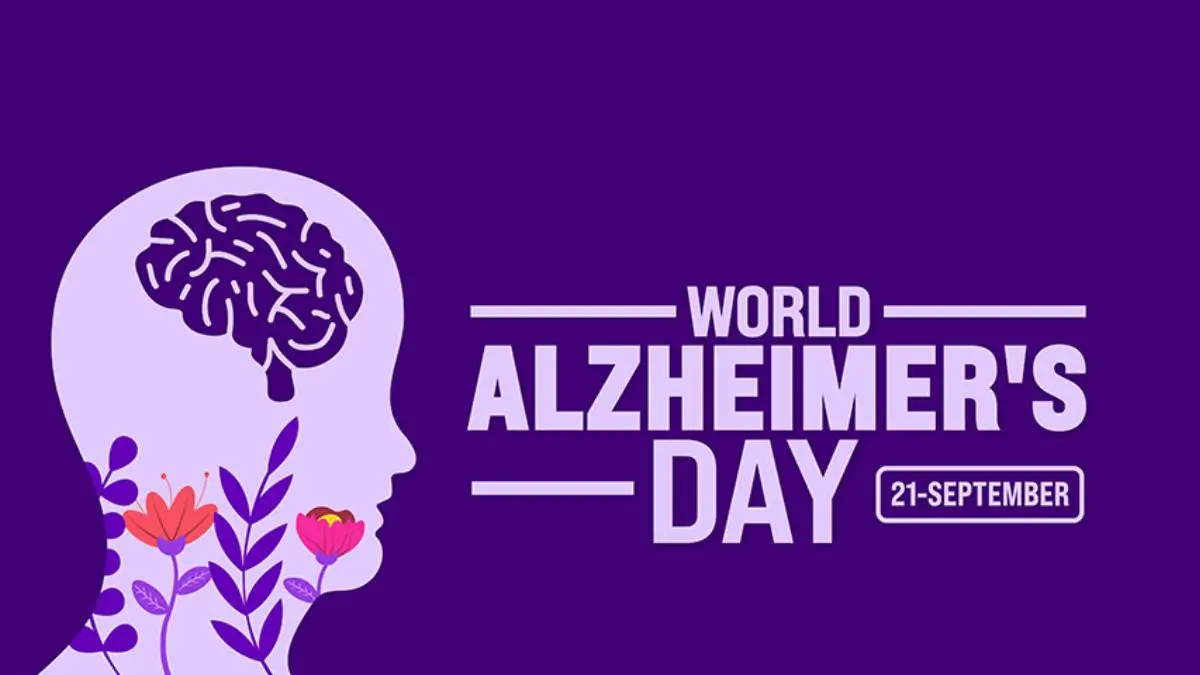
World Alzheimer’s Day 2026 falls on September 21 and is celebrated as part of World Alzheimer’s Month to raise awareness of Alzheimer’s disease and other dementias. The 2026 theme is “The Earlier You Know, The More You Can Do: A Dementia Diagnosis Matters,” emphasizing the importance of early diagnosis and support. Alzheimer’s disease is the most common form of dementia and causes problems with memory, thinking, and performing activities of daily life. The campaign aims at breaking down stigma and encouraging people to see the doctor for a medical evaluation for any changes.
Theme for World Alzheimer’s Day 2026
“The Earlier You Know, The More You Can Do: A Dementia Diagnosis Matters” is the theme of the year 2026.
According to Alzheimer’s Disease International (ADI), the campaign aims at tackling stigma and discrimination and emphasizing the advantages of early diagnosis.
An early diagnosis helps people with dementia and their families and carers get treatment and care and plan for the future.
What Is Alzheimer’s Disease?
Alzheimer’s disease is a progressive neurological disorder, and the most common type of dementia. Dementia refers to a broad range of conditions characterized by problems with memory, reasoning, thinking, and behaviour.
As stated by the WHO, Alzheimer disease might account for 60-70% of dementia cases worldwide. Dementia is not a normal nor an inevitable process in old age; however, old age is the greatest known risk factor for the condition.
Common Symptoms of Alzheimer’s
Symptoms may differ from one person to another, yet usually include the following,
- Memory impairment affecting daily life
- Trouble with decision-making and problem-solving
- Loss of items and being unable to trace back steps
- Confusion regarding time and place
- Problems with words and conversations
- Struggle to complete familiar tasks
- Mood changes
There are various reasons for those symptoms; hence, it is important to consult a physician if any of them become worse over time.
Alzheimer’s Disease Stages
The Alzheimer’s disease has been categorized into early, moderate, and advanced stages, even though the stages vary for different individuals.
Early Stage: Memory and cognitive impairments may be evident, but an individual can manage most daily activities on their own.
Moderate Stage: Memory, language, reasoning, and daily tasks are more difficult and hence the patient will need more assistance.
Advanced Stage: Extensive assistance is needed with personal hygiene, feeding, mobility, and communicating.
Causes and Risk Factors
There are various factors that influence the development of the Alzheimer’s disease and include biological and genetic among others. Abnormal brain conditions such as the buildup of some proteins have been linked to the Alzheimer’s disease.
Age and genetic history are some of the risk factors of the disease. In the case of dementia, some of the risk factors identified by WHO include lack of exercise, smoking, alcohol consumption, high blood pressure, diabetes, high cholesterol, social isolation, deafness, and pollution.
How Is Alzheimer’s Disease Diagnosed?
The diagnosis typically takes the form of the patient’s medical history, a test of his or her cognitive abilities and physical/neurological examination. Laboratory tests and brain scans may be required in some cases, depending on the circumstances of each individual case, to rule out any other causes of dementia.
According to WHO, proper and timely diagnosis is an essential component of receiving proper care and support.
Treatment and Risk Reduction
Dementia is untreatable at present, however, there are various treatments and interventions that may help control the symptoms and enhance the quality of life of affected individuals. Treatment regimens may include medications, rehabilitation, cognitive stimulation, physical activities, socialization and support for caregivers.
The latest WHO recommendations published in 2026 recommend actions such as regular physical activities, non-smoking, reduction of harmful alcohol consumption, good nutrition, social and cognitive engagement and controlling hypertension, diabetes and high cholesterol levels.








 National Human Rights Commission to Mark...
 World Arthritis Day 2026: Date, Theme, H...
 Navratri 2026: Dates, Nine Forms of Godd...