UIDAI CEO Saurabh Vijay Takes Charge as CEO of IndiaAI Mission

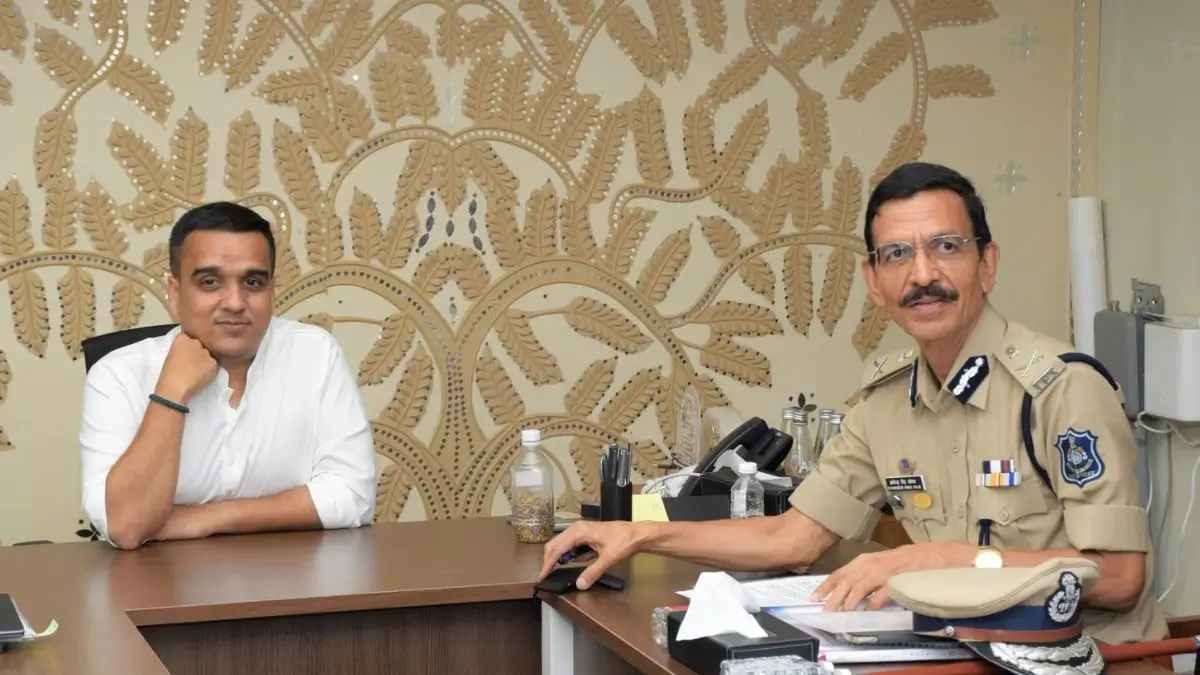
Saurabh Vijay CEO of the Unique Identification Authority of India (UIDAI) has assumed the charge as the Chief Executive Officer of the IndiaAI Mission. Sudeep Shrivastava who is the Joint Secretary in the Ministry of Electronics and Information Technology (MeitY) has also assumed the charge as the Chief Operating Officer (COO). This appointment are crucial as India are expanding the AI infrastructure.

Saurabh Vijay Takes Charge as the CEO of IndiaAI Mission

The IndiaAI Mission has officially announced the appointment of Saurabh Vijay as the new Chief Executive Officer (CEO).

This announcement was made through the Mission’s official social media platform and where it welcomed the new leadership team and expressed the confidence in achieving the mission’s objectives under their guidance.

At the same time, Sudeep Shrivastava, who is the Joint Secretary at the Ministry of Electronics and Information Technology (MeitY) also assumed charge as the Chief Operating Officer (COO) of the Mission.

Who is Saurabh Vijay?

Saurabh Vijay is the 1998-batch Indian Administrative Service (IAS) officer of the Maharashtra cadre.

He is a civil engineering graduate from the Indian Institute of Technology Delhi and he has held the several important administrative positions during his career.

Before joining UIDAI, he served as the,

  • Principal Secretary (Expenditure), Government of Maharashtra
  • Senior administrative positions in public finance and governance
  • CEO of UIDAI

Sudeep Shrivastava Becomes the COO of IndiaAI Mission

Alongside the with the appointment of Saurabh Vijay, Sudeep Shrivastava has assumed charge as the Chief Operating Officer of the IndiaAI Mission.

As the Joint Secretary in MeitY and he has been associated with the several digital governance and technology initiatives.

His appointment is also expected to strengthen the operational coordination and execution across various pillars of the India AI Mission.

What is the IndiaAI Mission?

The IndiaAI Mission is the Government of India’s flagship program which is aimed at to building a comprehensive artificial intelligence ecosystem in the country.

It was launched in the month of March 2024, the mission seeks to promote the,

  • AI innovation
  • Indigenous AI models
  • AI infrastructure
  • Talent development
  • Research and development
  • Responsible AI adoption

The initiative is set to implemented by the Ministry of Electronics and Information Technology (MeitY).

₹10,372 Crore For IndiaAI Mission

The Government has already approved the IndiaAI Mission in the March 2024 with a total financial outlay of the ₹10,372 Crore.

This mission aims to position the India as a global leader in the artificial intelligence by creating a robust digital infrastructure and supporting innovation across sectors.

Key objectives includes the,

  • Building sovereign AI capabilities
  • Supporting the startups and researchers
  • Creating AI-ready datasets
  • Developing foundational AI models
  • Expanding computing resources

The programme is one of the largest government-backed AI initiatives globally.

India Launches E85 Fuel: 85% Ethanol Blend to Reduce Oil Imports and Emissions

For the energy security and sustainable transportation India set to launch the E85 fuel, it is a petrol blend containing up to 85% of ethanol. It was introduced by the Union Petroleum and Natural Gas Minister Hardeep Singh Puri on World Environment Day 2026. This initiative aims to reduce the dependence on imported crude oil, promote the cleaner mobility and create the new opportunities for the agricultural sector.

What is E85 Fuel?

E85 is the high-ethanol fuel blend which is consisting of the approximately 85% ethanol and 15% petrol.

It is specifically designed for the Flex-Fuel Vehicles (FFVs) which can operate on to the varying ethanol-petrol blends.

This fuel is considered more environmentally friendly than conventional petrol because ethanol is produced from the renewable agricultural sources such as sugarcane, maize, rice and other biomass feedstocks.

The introduction of the E85 represents the next phase of the India’s ethanol blending program after the successfully implementing E20 fuel nationwide.

Why is India Promoting E85 Fuel?

India imports the large portion of its crude oil requirements and this makes the country vulnerable to the global energy price fluctuations and geopolitical tensions.

The government sees E85 fuel as a strategic solution to the,

  • Reduce the crude oil imports
  • Improve energy security
  • Lower greenhouse gas emissions
  • Support domestic ethanol production
  • Increase farmers income opportunities
  • Promote cleaner transportation alternatives

The initiative also complements with the India’s broader clean energy and sustainability goals.

Key Features of the E85 Fuel Rollout

The rollout f E85 has begun in a phased manner across the selected fuel stations.

Important Highlights

  • Fuel contains approximately 85% ethanol.
  • Initially available at around the 48–50 fuel stations.
  • Rollout begins in Delhi-NCR, Mumbai, Pune and Nagpur.
  • Government plans to the large-scale expansion in the coming years.
  • Compatible only with Flex-Fuel Vehicles (FFVs).
  • Expected to reduce carbon emissions significantly.

E85 Fuel Price Advantage

One of the major attractions of the E85 fuel is its lower price.

The government has announced that E85 will be sold at nearly to just ₹20 per litre less than E20 petrol.

This price advantage is expected to encourage the consumers to shift towards the flex-fuel vehicles and adopt the cleaner fuel alternatives.

Impact on Farmers and Rural Economy

Ethanol production heavily relies on the agricultural feedstocks such as the,

  • Sugarcane
  • Maize
  • Rice
  • Agricultural residues
  • Biomass resources

Uttar Pradesh Sangeet Natak Akademi Honors 51 Artistes at SNA Samman Ceremony 2026

The Uttar Pradesh Sangeet Natak Akademi (SNA) had honored the 51 distinguished artistes at the SNA Samman Ceremony 2026 which was held in Lucknow. This awards recognized the exceptional contributions to music, dance, theatre and folk arts during the years 2021 to 2024.

51 Artistes Honoured at the SNA Samman Ceremony 2026

The Uttar Pradesh Sangeet Natak Akademi had organized the prestigious SNA Samman Ceremony 2026 at the Gandhi Auditorium, Jan Bhavan in Lucknow.

The total of 51 artistes were felicitated for their outstanding contributions to the,

  • Classical Music
  • Folk Music
  • Dance
  • Theatre
  • Traditional Folk Arts

The awardees were selected for the years 2021, 2022, 2023 and 2024 and recognized their lifelong dedication to preserving and promoting the India’s artistic traditions.

Governor Anandiben Patel Highlights the Importance of Cultural Preservation

In her message Governor Anandiben Patel emphasized that the culture is not merely a legacy inherited from the previous generations but it is a responsibility that must be protected and it passed on to the future.

She noted that “Culture is not only an inheritance but also a responsibility.”

The Governor also highlighted that the traditional art forms such as folk songs, folk theatre and classical performances represent the soul of the Indian civilization and help preserve the collective identity across generations.

Traditional Arts Adapting to Modern Platforms

The Governor also highlighted the emergence of innovative cultural formats that connect traditional art with contemporary audiences.

She cited the growing popularity of “Bhajan Clubbing” as an example of how traditional cultural expressions can successfully evolve without losing their original essence.

Such initiatives demonstrate that heritage and innovation can coexist, making traditional arts more accessible and appealing to younger generations.

Government Assures Continued Support for Artists

Addressing the gathering, Deputy Chief Minister Brajesh Pathak had described the artists as the true custodians of the India’s cultural consciousness.

He reaffirmed the commitment of both the Central Government and the Uttar Pradesh Government to the,

  • Promote cultural traditions
  • Support folk artists
  • Provide institutional assistance
  • Create opportunities for artistic growth
  • Strengthen cultural infrastructure

He assured the artists that the government would continue providing the necessary resources to help preserve and expand India’s rich artistic heritage.

Distinguished Dignitaries Present at the Ceremony

There are several prominent personalities from the cultural and administrative sectors have attended the event.

Among those present were the,

  • Prof. Jayant Khot, Chairman, UP Sangeet Natak Akademi
  • Vibha Singh, Vice-Chairperson
  • Sanjay Kumar Singh, Special Secretary (Culture)
  • Dr. Shobhit Kumar Nahar, Director of the Akademi

India’s Forex Reserves Rise to $682.32 Billion Despite Decline in Gold Holdings

Foreign exchange reserves of India has a fresh increase during the week was ended on May 29th, 2025 and it showcased the continued resilience in the country’s external sector. As per the latest data by the Reserve Bank of India (RBI), the country’s reserves rose by $938 million to reach $682.321 billion. This increase primarily driven by the foreign currency assets and gold reserves witnessed the decline.

India’s Forex Reserves Increase to $682.3 Billion

The Reserve Bank of India reported that the India’s total foreign exchange reserves was increased by $938 million during the latest reporting week.

The reserves stood at the,

  • Previous Week: $681.384 billion
  • Current Week: $682.321 billion
  • Weekly Increase: $938 million

The rise follows the significant decline of the $7.511 billion recorded in the previous week. Despite recent fluctuations India’s forex reserves remain among the largest in the world and it providing the buffer to the emergency external shocks.

Foreign Currency Lead the Growth

Foreign Currency Assets (FCAs), which form the largest part of the India’s forex reserves and it recorded a substantial increase.

According to RBI data,

  • FCAs increased by the $3.116 billion
  • Total FCAs reached to the $546.148 billion

Foreign currency assets also include the holdings in major international currencies such as the,

  • US Dollar
  • Euro
  • British Pound
  • Japanese Yen

Gold Reserves Witness Decline

While the foreign currency assets had been increased, India’s gold reserves declined during the reporting week.

Gold Reserve Position

  • Gold Reserves Declined By: $2.186 billion
  • Total Gold Reserves Stood At: $112.6 billion

The decline in the gold reserves was primarily due to changes into the international gold prices and valuation effects.

SDRs and IMF Reserve Position

The RBI data has also provided the details regarding other components of the forex reserves.

Key Components

Component Value
Special Drawing Rights (SDRs) $18.747 Billion
IMF Reserve Position $4.826 Billion
Total Forex Reserves $682.321 Billion

While the SDR holdings remained unchanged and India’s reserve position with the International Monetary Fund (IMF) increased slightly by around the $8 million.

Impact of the West Asia Crisis on the Forex Reserves

India’s forex reserves had touched the historic high of $728.494 billion during the week which was ended on February 27, 2026.

However, the outbreak of conflict in the West Asia led to the,

  • Pressure on the Indian rupee
  • Increased crude oil prices
  • Higher import costs
  • RBI intervention in forex markets

To stabilize the Indian rupee, the RBI sold US dollars from its reserves and leading to the several weeks of decline in the forex kitty.

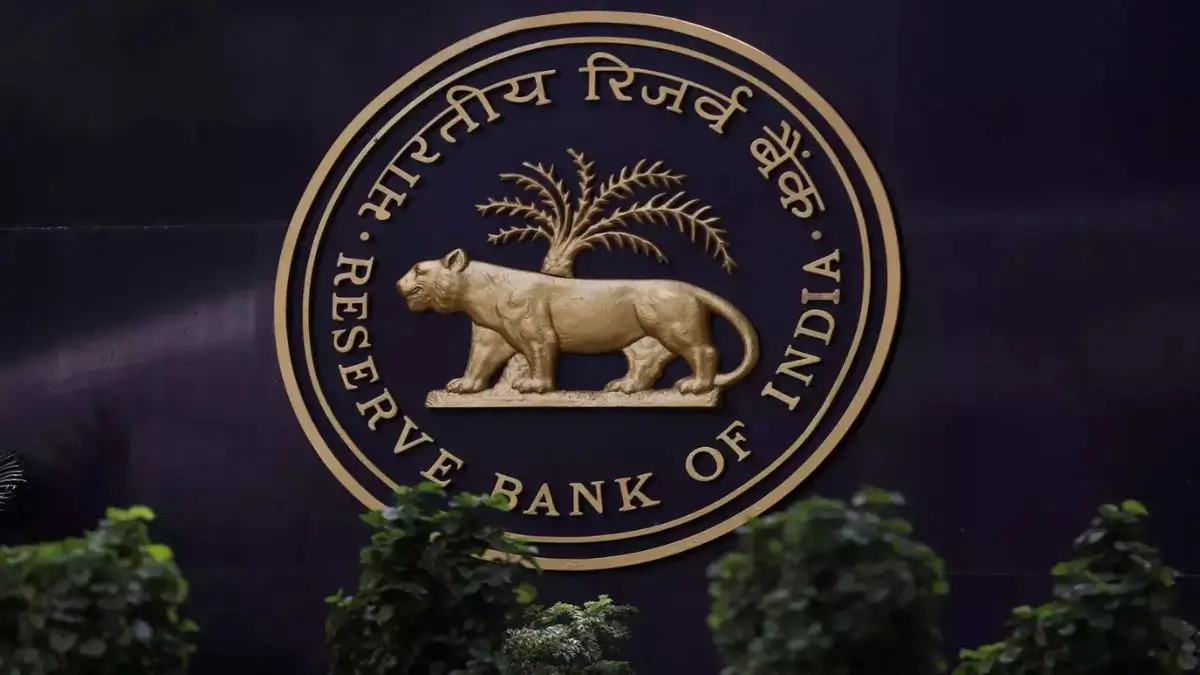
RBI Deputy Governor Swaminathan Janakiraman Gets Two-Year Extension Until 2028

Swaminathan Janakiraman reappointed as the Deputy Governor of the Reserve Bank of India (RBI) for additional two year period. His appointment completed by the Government of Indian and it was announced by RBI on 5 June 2026. This decision ensures the continuity at central bank’s leadership at very crucial time for Indian economy.

Swaminathan Janakiraman Gets Two-Year Extension

The Reserve Bank of India has announced that Swaminathan Janakiraman will continue as the Deputy Governor for another two years.

His fresh term will come into effect from the,

  • Effective Date: 26 June 2026
  • Extension Period: Two Years

The reappointment reflects the government’s confidence in his contribution to the India’s banking and financial sector during his tenure at the central bank.

Who is Swaminathan Janakiraman?

Swaminathan Janakiraman is one of the four Deputy Governors of the Reserve Bank of India and he brings the extensive experience in banking and financial regulation.

Before joining the RBI, he also served in a senior positions at the State Bank of India (SBI), India’s largest public sector bank.

His expertise spans across the,

  • Banking operations
  • Risk management
  • Financial supervision
  • Credit and lending
  • Technology-driven banking reforms

RBI’s Leadership Structure

The Reserve Bank of India is headed by the Governor and it is supported by the four Deputy Governors.

The current RBI leadership structure consists of the,

  • RBI Governor
  • Four Deputy Governors
  • Central Board of Directors

The Deputy Governors assist into the policy formulation, supervision of the financial institutions and implementation of the RBI’s strategic objectives.

Panchayat Advancement Index Wins Gold Award at National e-Governance Awards 2026

The Panchayat Advancement Index (PAI) has been awarded with the Gold Award at the National e-Governance Awards 2026. It was developed by the Ministry of Panchayati Raj and PAI is the comprehensive data-driven framework which is designed to assess the performance of Gram Panchayats across the country.

PAI Receives Gold Award at National e-Governance Awards 2026

The Panchayat Advancement Index (PAI) has been selected for the prestigious Gold Award under the Category of VII – Digital Transformation through the Use of the Data Analytics in the Digital Platforms by Central Ministries, States and Union Territories.

This award will be presented during the 29th National Conference on e-Governance which set be held on 1-2 July 2026 in Jaipur, Rajasthan.

The recognition showcases the government’s efforts to promote the innovation, transparency and the data-driven decision-making in local governance.

The Gold Award includes the,

  • A Trophy
  • A Citation
  • Cash Incentive of ₹10 lakh

About the National e-Governance Awards 2026

The National Awards for e-Governance are among the India’s most prestigious recognitions for excellence in the digital governance and public administration.

These awards are conferred every year to encourage the innovative use of technology in delivering citizen-centric services and improving a governance outcomes.

In 2026,

  • Total 17 projects and initiatives were selected for the recognition.
  • Awards were distributed across the seven different categories.

The conference is jointly organized by the DARPG and MeitY in association with the Government of Rajasthan.

Theme of the 29th National Conference on e-Governance

The theme of the 2026 conference is the ‘Viksit Bharat 2047: AI-Enabled, Data-Driven and Secure Digital Governance’

The theme highlights the India’s commitment to towards the,

  • Artificial Intelligence-driven governance
  • Data-based policy formulation
  • Digital public service delivery
  • Cybersecurity and secure digital infrastructure
  • Citizen-centric governance systems

What is the Panchayat Advancement Index (PAI)?

The Panchayat Advancement Index (PAI) is the flagship initiative of the Ministry of Panchayati Raj which aimed at to measuring and evaluating the performance of Gram Panchayats across India.

It is the India’s first comprehensive framework that uses the data and analytics to assess local governance performance.

The index helps also identify the development gaps, improve accountability and encourage healthy competition among the Panchayats to achieve better governance outcomes.

India’s 7th Regional Meteorological Centre Inaugurated in Jammu

Respectable Union Minister Dr. Jitendra Singh has launched the Regional Meteorological Centre (RMC) in Jammu on 5th of June, 2026. This facility becomes the India’s seventh Regional Meteorological Centre and it serve the Jammu & Kashmir, Ladakh, and Himachal Pradesh. This centre is expected to enhance the weather monitoring, provide specialized forecasts for the mountainous regions and improve the early-warning systems for the natural disasters.

India’s Seventh Regional Meteorological Centre Opens in Jammu

Latest Regional Meteorological Centre (RMC) in Jammu marks the major milestone in India’s meteorological infrastructure and it is designed to provide region-specific weather forecasting and climate services for the Himalayan states and the Union Territories.

The centre will function as the key hub for weather observation, forecasting and the disaster preparedness. As this region’s complex geography, ranging from plains to snow-covered mountains this facility will help to improve the forecast accuracy and timely dissemination of weather alerts.

Jammu RMC to Serve Three Strategic Himalayan Regions

The Jammu centre will provides the meteorological services to the,

  • Jammu & Kashmir
  • Ladakh
  • Himachal Pradesh

These regions are frequently experience the extreme weather events such as heavy snowfall, avalanches, cloudbursts, flash floods and landslides. This dedicated centre will allow more localized and customized weather forecasts which suited to the unique needs of these areas.

Advanced Weather Forecasting and Early-Warning Services

The Regional Meteorological Centre will provide the wide range of specialized forecasting services.

Key services includes the,

  • District-level weather forecasts
  • Mountain weather forecasts
  • Tourist weather advisories
  • City-specific forecasts
  • Flash flood warnings
  • Avalanche alerts
  • Cloudburst warnings
  • Heavy snowfall forecasts
  • Thunderstorm alerts
  • Landslide warnings

These services will also help the authorities, residents and travelers make informed decisions and to reduce the impact of weather-related disasters.

Major Benefits for Pilgrims, Farmers and Security Forces

The new facility is mainly expected to benefit the multiple sectors which are heavily rely on to the accurate weather information.

Pilgrims who are travelling to the Amarnath Cave Shrine and Vaishno Devi will receive the timely weather updates and safety advisories. Farmers will also gain access to the improved agro-meteorological services that can help in to the crop planning and risk reduction.

The centre will also support the,

  • Disaster management agencies
  • Hydropower projects
  • Tourism operators
  • Transport services
  • Armed forces and security personnel operating in to the high-altitude areas

Accurate weather forecasts will also improve the operational efficiency and safety across these sectors.

Expansion of Doppler Weather Radar Network

Dr. Jitendra Singh has highlighted that the remarkable expansion of weather monitoring infrastructure in the region over the last decade.

In the year 2014, Jammu & Kashmir and Ladakh had no Doppler Weather Radar. Today total four Doppler Weather Radars are operational at the,

  • Jammu
  • Srinagar
  • Leh
  • Banihal Top

Under the Government’s Mission Mausam initiative five additional Doppler Weather Radars have been proposed for the,

  • Anantnag
  • Rajouri
  • Baramulla
  • Kishtwar
  • Doda

These installations will further improve the weather observation and forecasting capabilities.

Srinagar Observatory Receives The Global Recognition

Srinagar Meteorological Observatory has earned the international recognition from the World Meteorological Organization (WMO).  This observatory which has been functioning for more than 100 years and it is designated as a Centennial Observing Station.

This recognition highlights the its invaluable contribution to the weather observation and climate science in the Himalayan region.

The historic Srinagar Meteorological Observatory has earned international recognition from the World Meteorological Organization (WMO).

What is a Regional Meteorological Centre?

A Regional Meteorological Centre (RMC) is the major forecasting and weather-monitoring hub under the India Meteorological Department (IMD).

Functions of RMCs

  • Weather forecasting
  • Disaster early-warning services
  • Climate monitoring
  • Aviation meteorology
  • Agro-meteorological advisories
  • Hydrological forecasting
  • Public weather services

Parent Organization

  • India Meteorological Department (IMD)

Ministry

  • Ministry of Earth Sciences

Mission Mausam

Mission Mausam is the flagship initiative of the Government of India which aimed at to modernizing the weather forecasting systems through advanced technologies, expanded radar networks and improved weather observation infrastructure.

Delhi Gets 18 New Namo Oxygen Parks Under ‘Ek Ped Maa Ke Naam’ Campaign

On World Environment Day 2026 the Government of India and the Delhi Government have inaugurated the total 18 Namo Oxygen Parks across Delhi under the nationwide ‘Ek Ped Maa Ke Naam’ campaign. It was inaigurated by the Union Environment Minister Bhupender Yadav and Delhi Chief Minister Rekha Gupta and event has witnessed the release of the three important environmental planning documents.

18 Namo Oxygen Parks Inaugurated Across Delhi

The major highlight of World Environment Day celebrations was the inauguration of the 18 Namo Oxygen Parks across different parts of the Delhi.

The parks have been developed to function as the urban green lungs, helping to improve air quality, enhance biodiversity and to provide recreational spaces for citizens.

This flagship event was held at the Namo Oxygen Park in Maidangarhi.

These parks are expected to contribute significantly to the environmental sustainability while encouraging the greater public participation in conservation activities.

Objectives of Namo Oxygen Parks

  • Improve the urban air quality
  • Increase the green cover
  • Enhance biodiversity conservation
  • Promote community participation
  • Provide recreational green spaces

Bhupender Yadav Highlights India’s Environmental Leadership

Addressing the event, Union Environment Minister Bhupender Yadav has strongly emphasized that the climate change, biodiversity loss and land degradation are among the most serious environmental challenges facing humanity today.

He highlighted that the India’s achievements in environmental protection under the leadership of Prime Minister Narendra Modi.

Key Environmental Achievements Mentioned

  • Expansion of solar energy capacity
  • PM Surya Ghar Yojana
  • International Solar Alliance (ISA)
  • International Big Cat Alliance (IBCA)
  • Increase in Ramsar Wetland Sites
  • Achievement of NDC targets ahead of schedule

‘Ek Ped Maa Ke Naam’ Becomes a People’s Movement

Shri Bhupender Yadav has also described the ‘Ek Ped Maa Ke Naam’ campaign as a unique initiative which directly connects the environmental protection with emotional responsibility.

The campaign also encourages the citizens to plant a tree in honor of their mothers and nurture it throughout the its growth.

According to the Minister, this initiative has transformed the tree plantation into a nationwide movement promoting the environmental awareness, gratitude and ecological responsibility.

He also urged to people to focus not only on planting trees but also on protecting and nurturing them.

Delhi Government Targets Plantation of 15 Lakh Trees

Respectable Delhi Chief Minister Rekha Gupta has also announced the ambitious target of planting 15 lakh trees and saplings across the city during the year 2026.

She emphasized that the increasing green cover remains as one of the most effective ways to improve the Delhi’s air quality and ecological health.

The Chief Minister has called upon the citizens, resident welfare associations, educational institutions and community organizations to actively participate into the plantation drives and long-term maintenance of trees.

Three Key Environmental Documents Released

The major outcome of the event was the release of the three important environmental governance documents prepared by the Government of NCT Delhi.

1. Working Plan for the NCT Delhi (2026-27 to 2036-37)

2. Asola Bhatti Wildlife Sanctuary Management Plan (From 2024-25 to 2034-35)

3. The Delhi Bird Atlas

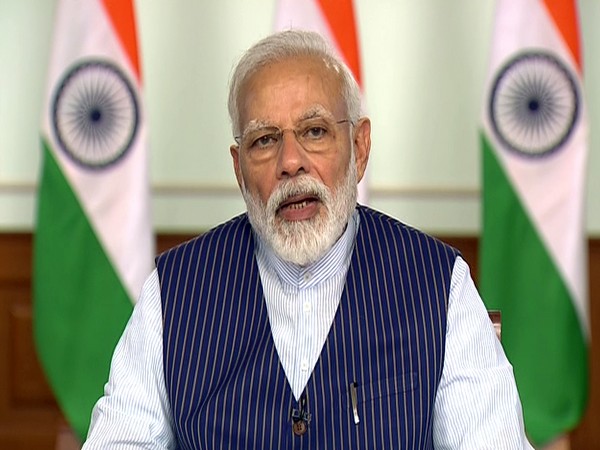
PM Modi Inaugurates New Airport Terminal in Daman, Boosting Regional Connectivity

Honorable Prime Minister Narendra Modi has inaugurated the new terminal building of the Airport in Daman on 6th of June, 2026. With this it marks the another milestone, this project aims to enhance the air connectivity, improve passenger convenience and support the growth of tourism and business activities in that region. During his visit to Daman, he also inaugurated and laid the foundation stone for the several development projects worth around ₹2,970 crore.

PM Modi Unveils New Terminal Building at NAMO Airport

The inauguration of the new terminal building at NAMO Airport represents the significant step towards to strengthening Daman’s transport infrastructure.

This project has been developed to improve the access to the Union Territory and integrate it more effectively into the country’s growing civil aviation network. For the many years, Daman has heavily relied on road connectivity for transportation.

This new terminal is expected to enhance the travel convenience and support long-term regional development.

The inauguration of the new terminal building at NAMO Airport represents a significant step toward strengthening Daman’s transport infrastructure.

Modern Facilities Designed for The Passenger Comfort

The new terminal building has been equipped with the modern infrastructure to provide a smooth and comfortable travel experience.

Related officials have stated that this facility can accommodate approximately 180 passengers at a time and it also includes the improved passenger handling systems and waiting areas.

Key Features of the New Terminal

  • Modern passenger amenities
  • Seating capacity for around the 180 passengers
  • Enhanced passenger movement facilities
  • Improved the operational efficiency
  • Better travel experience for tourists and residents

Major Boost for Tourism in Daman

As tourism remains as one of the most important sectors of Daman’s economy. The Union Territory is known for the its beaches, historical sites and coastal attractions.

With the improved air connectivity, more tourists are expected to visit the Daman and it will reducing the travel time and increasing accessibility from major metropolitan cities.

The airport project is likely to strengthen the tourism ecosystem by supporting the hotels, restaurants, local businesses and other service sectors.

Expected Tourism Benefits

  • Increased tourist arrivals
  • Easier access to the Daman’s coastal attractions
  • Growth in hospitality sector
  • Higher local employment opportunities
  • Greater investment in tourism infrastructure

Enhancing Regional Connectivity and Economic Growth

The new airport terminal is also expected to improve the connectivity between Daman and major cities such as the,

  • Ahmedabad
  • Mumbai
  • Delhi

The better connectivity can help to attract the investors, facilitate business travel and improve access to markets and services.

Officials believe that the project will contribute significantly to economic activity by making Daman more accessible for industrial, commercial, and tourism-related investments.

Part of the ₹2,970 Crore Development Initiatives

The airport inauguration was one of the several major projects which were launched during Prime Minister Modi’s visit to Daman.

The development projects worth approximately ₹2,970 crore were inaugurated, dedicated or had their foundation stones laid across the multiple sectors.

Key Sectors Covered

  • Healthcare
  • Tourism
  • Public welfare
  • Infrastructure
  • Connectivity

These initiatives aims to accelerate the socio-economic development and improve the quality of life for residents of the Union Territory.

Which is the Most Visited Country in the World?

As the Tourism the important role in the global economy, connecting people, cultures and destinations across the world. Every year there are millions of travelers visit countries known for their history, natural beauty, culture, and infrastructure.

According to the latest international tourism statistics for 2024 the France has emerged as the world’s most visited country and it welcomed the unprecedented 100 million international tourists.

France Becomes the Most Visited Country in the World

France has secured the top position in the global tourism rankings by attracting the approximately 100 million international visitors in the year 2024. With this became the first country in the history to cross the 100-million tourist mark in just a single year.

The country’s popularity is driven by the its rich cultural heritage, iconic landmarks, world-famous cuisine and the excellent transportation network.

France continues to attract the millions of tourists from every region of the world and makes the tourism as one of the pillars of its economy.

Why France Attracts Millions of Tourists

France offers the unique combination of the history, art, architecture, natural beauty and modern facilities. Tourists also experience everything from the mountain landscapes and beaches to the medieval towns and vibrant cities.

Some of the major factors behind the France’s tourism success includes the,

Major Reasons

  • Home to the Eiffel Tower and the Louvre Museum
  • Featured more than 50 UNESCO World Heritage Sites
  • Diverse landscapes including the Alps, beaches, and countryside
  • World-renowned French cuisine and the fashion
  • Efficient high-speed rail network (TGV)

These advantages makes the France attractive for the both leisure and business travelers.

Major Tourist Attractions in France

France is home to the some of the most visited attractions in the world. The country’s historical and cultural landmarks draws the millions of the visitors every year.

Popular Tourist Destinations Are The,

  • The Eiffel Tower
  • The Louvre Museum
  • Palace of Versailles
  • French Riviera
  • Mont Saint-Michel
  • Notre-Dame Cathedral
  • Disneyland Paris
  • French Alps

Quick Facts About France

Particular Details

  • Official Name: French Republic
  • Capital: Paris
  • Population Approximately: 67.3 Million
  • Official Language: French
  • Currency: Euro
  • Government Type: Republic
  • Area: 543,965 sq km
  • Major Rivers: Seine, Rhône, Rhine
  • Major Mountain Ranges: Alps, Pyrenees, Massif Central

Brief History of France

France has one of the richest historical traditions in the Europe. This region was inhabited by the prehistoric humans before it becoming part of the Roman Empire under the name Gaul.

After the decline of the Roman rule, the Franks established their kingdom which eventually evolved into the modern France. The country later witnessed the major historical events such as the Hundred Years War, the historical French Revolution of 1789 and the rise of the Napoleon Bonaparte.

France played the  significant role in both the World Wars and emerged as one of the world’s leading political, economic and cultural powers.

Geographical Features of France

France is the largest country in the Western Europe and it occupies a strategic position on the continent.

The geography of France is highly diverse and it offers the fertile plains, mountain ranges, forests, rivers and coastlines.

Important Geographical Features

  • Shares the border with the Germany, Belgium, Spain, Italy, and Switzerland
  • Have the Atlantic Ocean on the west
  • Mediterranean coastline in the south
  • Alps mountains contains the Western Europe’s highest peaks

Top 10 Most Visited Countries in the World (2024)

According to the international tourism data, the list of countries has recorded the highest number of international tourist arrivals in 2024:

  1. France – 100 Million
  2. Spain –  93.8 Million
  3. United States – 72.4 Million
  4. Türkiye – 60.6 Million
  5. Italy – 57.8 Million
  6. Mexico – 45 Million
  7. United Kingdom – 41.8 Million
  8. Germany – 37.5 Million
  9. Japan – 36.9 Million
  10. Greece – 36 Million

Importance of Tourism in the Global Economy

Tourism is one of the fastest-growing sectors currently worldwide and it contributes heavily to the employment, foreign exchange earnings and cultural exchange.

Economic Benefits

  • It generates millions of the jobs
  • It boosts the local businesses
  • Supports the infrastructure development
  • Increases the foreign exchange earnings

Countries with strong tourism industries often experience broader economic benefits across multiple sectors.

_12.1
June 2026
M T W T F S S
1234567
891011121314
15161718192021
22232425262728
2930