World Bank Mobilises $112 Billion in Private Capital as Developing Countries Face Debt Pressures

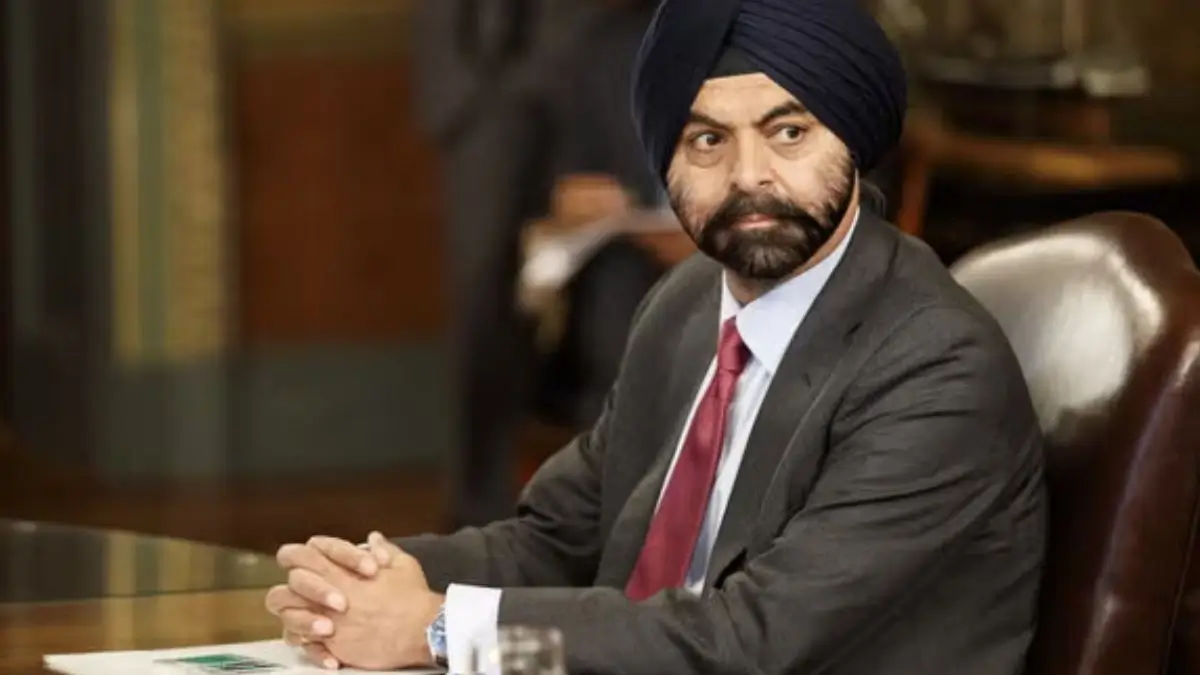
The World Bank has been in talks with 30-40 countries regarding possible assistance as a result of soaring energy prices due to the conflict in the Middle East, said Ajay Banga, World Bank President in an interview to Reuters dated October 11, 2026. The Bank had set aside $25 billion from a crisis funding window, while $35 billion more would be available by diverting funds from approved projects. With the worsening of situation, up to $100 billion might be available.

Potential World Bank Crisis Funding Amounting to $100 Billion

The president of the World Bank, Ajay Banga, stated that there have been discussions with 30 to 40 countries that are being affected due to increased costs of energy and associated shocks in the economy. The World Bank had initially offered $25 billion in crisis funding.

In addition, $35 billion can be provided to the countries through reallocation of funds meant for prior-approved projects, raising the potential initial aid amount to $60 billion.

In case of worsening economic conditions, up to $100 billion of money could be provided by the World Bank, which is more than the $70 billion that was offered during the COVID-19 pandemic.

How the Energy Shock in the Middle East Impacts Developing Countries

Higher energy prices may affect the cost of transport, electricity, and production. Higher fertilizer prices may impact the cost of farming operations, thus increasing the price of food.

The problem for developing countries is that most developing countries do not have any financial space left after expenditures during the pandemic period and the rise in inflation caused by Russia’s invasion of Ukraine by Russia. Higher global interest rates have made loans more expensive.

According to the World Bank, the amount of the external debt owed by developing countries to the creditors was estimated at around $400 billion in the year 2026, with about one-third of this amount being interest payments.

Record $112 Billion Raised by World Bank from Private Investors

World Bank Group has stated that the bank mobilised a record $112 billion worth of private finance in FY2026 as against $69 billion in FY2025 and $35 billion in FY2022. These figures refer to the financial year ended June 2026.

As per the World Bank, the $123 billion of financing done by the bank itself in the year contributed to making the aggregate of financing and mobilised private finance at about $235 billion. These figures indicate the attempt made to increase private finance in developing countries.

Debt-For-Development Swaps and Financial Guarantees

World Bank and the International Monetary Fund (IMF) are taking steps in tackling the issue of debts in developing nations. This includes domestic revenue enhancement as well as financial guarantees that can assist in managing costly debts.

Debt-for-development swaps can be used whereby funds from reduced debt burdens can be put into use to tackle development issues. According to Banga, the Bank had implemented such swaps in Angola and Côte d’Ivoire and was implementing about a dozen other projects.

Guarantees are being utilized by the Bank to help countries substitute their costlier debt with cheaper financing. The savings made from such actions can help fund initiatives in education, health, water and environmental preservation.
Jantar Mantar Denotified as Protest Site: Delhi Names Three New Venues

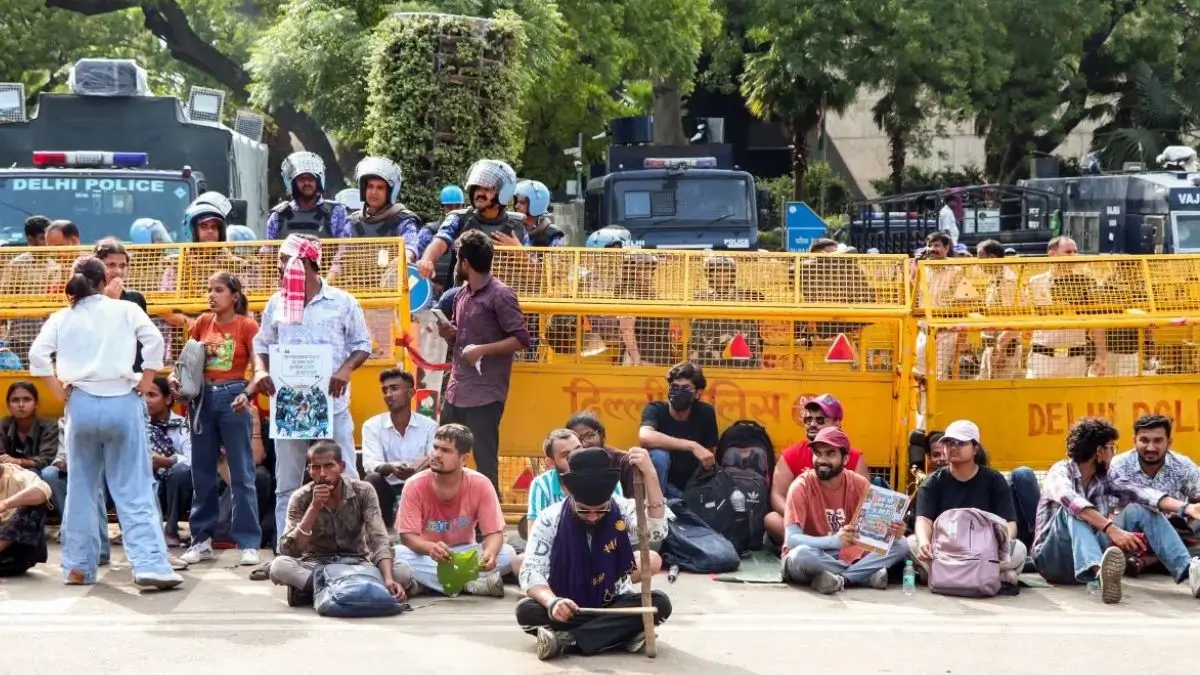
Jantar Mantar in the National Capital, New Delhi has been de-notified as a protest venue after a circular passed on October 12th 2026, it is released by the Delhi Police. This move has been taken on the recommendation of a committee set up by the Ministry of Home Affairs (MHA) to suggest alternatives to Jantar Mantar as venues for protests. Ram Lila Maidan, Burari Maidan, and CBD Maidan in East Delhi have been notified as the new venues.

Three New Designated Protest Venues in Delhi

1. Ramlila Ground

A well-known place for public meetings in Delhi where large-scale political rallies are held.

2. Burari Ground

Burari Ground in the Burari region of North Delhi is the second venue mentioned in the circular of the Delhi Police.

3. CBD Ground

CBD Ground in East Delhi is the third venue mentioned in the circular of the Delhi Police.

Revised Standard Operating Procedure (SOP) for holding processions/demonstrations at these venues will be issued separately. Procedures should be followed once the revised SOP is issued.

Jantar Mantar – Historical and Static Facts

Jantar Mantar in New Delhi is an astronomical observatory built in the year 1724 by Maharaja Sawai Jai Singh II of Jaipur.

This observatory houses huge masonry structures that help in observing celestial bodies and their positions.

It should be noted here that this observatory is separate from the use of this site as a protest venue.

Aspect Details
Monument Jantar Mantar, New Delhi
Year of construction 1724
Founder/builder Maharaja Sawai Jai Singh II
Original purpose Astronomical observations
Location Parliament Street, New Delhi
Other observatories built by Jai Singh II Jaipur, Ujjain, Varanasi and Mathura

SEBI Credit Risk-o-Meter for Bonds: Six Colour-Coded Levels to Help Investors Assess Credit Risk

SEBI (ecurities and Exchange Board of India) has launched the Credit Risk-o-Meter on 7th of October, 2026. This meter offers the visual interpretation of the credit risk for debt securities based on ratings assigned to them by categorizing them into six colors. The objective behind this concept is that it would help investors in identifying the risks of investment in bonds, especially for those who are unaware of the traditional credit ratings like AAA, AA and BBB.

Classification of Six Credit Risks with Color Codes

The SEBI classification of current credit ratings is divided into six groups of risks that start from low credit risk up to the high/very high risk of default. The colors assigned to each risk are standardized for consistency in all promotional material and online.

Credit rating Risk category  Prescribed colour
AAA Lowest credit risk Irish Green
AA+, AA, AA− Very low credit risk Chartreuse
A+, A, A− Low credit risk Neon Yellow
BBB+, BBB, BBB− Moderate credit risk Caramel
BB+, BB, BB− Moderate risk of default Dark Orange
B+, B, B−, C and D High to very high risk of default Red

What Are the Debt Securities?

The framework applies to the listed or proposed to be listed debt securities under the above mentioned regulatory categories. It includes,

  • Non-Convertible Securities (NCS): These are debt securities which can not be converted into the equity shares.
  • Commercial Papers (CPs): These are money-market instruments that are used by the eligible issuers for raising funds.
  • Securitised Debt Instruments (SDIs): Instruments which have underlying financial assets.
  • Security Receipts (SRs): These are the instruments issued by the Asset Reconstruction Companies in respect of the acquisition of financial assets.
  • Structured Debt & Market-Linked Debentures (MLDs): The debt instruments which depend on some specified market variables/underlying references for generating their returns.

It applies to these instruments, whether issued through public offer or private placement.

Where Should the Credit Risk-o-Meter be Placed?

As per the guidelines of SEBI, the Credit Risk-o-Meter is mandatorily to be displayed in certain documents and medium of communication utilized by the issuers and Online Bond Platform Providers (OBPPs).

These include,

  • Offer documents.
  • Simplified prospectuses.
  • Private placement memorandum.
  • Advertisements released by the issuers and OBPPs.
  • Websites and mobile portals of OBPPs.

The name of the rating agency along with the actual rating should also be mentioned below the meter. SEBI has provided for the design format of the same for the digital mediums as well as color prints.

Further Disclosure Requirements for Bonds

In addition to that, the circular provides for measures to be taken into consideration when a single visual rating is unable to provide complete information regarding a debt security.

  • Several ratings: If a security has more than one credit rating from different credit rating agencies, then the meter must indicate the lowest credit rating. Additional ratings can also be disclosed.
  • Unsecured debt securities: The phrase “unsecured” must be displayed below the meter in bold red font.
  • Changes in ratings: Any online platform offering bonds should update the meter within 24 hours after being notified about any changes in the rating using the specified depository procedure.
  • Visibility of the meter: This meter should be clearly seen on the pages containing information about the listed bonds prior to reaching the investment action buttons.
  • Implementation period: The circular envisages that the framework will come into force for the 45 days after its publication date of October 7, 2026.

What will the new system mean for investors?

The Credit Risk-o-Meter aims to provide a means of interpreting credit risk data in a way that allows for an easy comparison of the risk classifications of various debt instruments, irrespective of the investor’s knowledge of credit rating systems.

It also provides a consistent format for presenting risk data regardless of issuer or online platform that hosts the bond data. This could enhance visibility of credit ratings and aid the identification of bonds with a relatively high risk of default.

The meter does not remove risk from investment, nor does it provide assurance of repayment. It depicts credit risk but not other risks like market risk, liquidity risk, and structural risks.

Sunil Bharti Mittal to Receive France’s Highest Civilian Honour, Legion of Honour

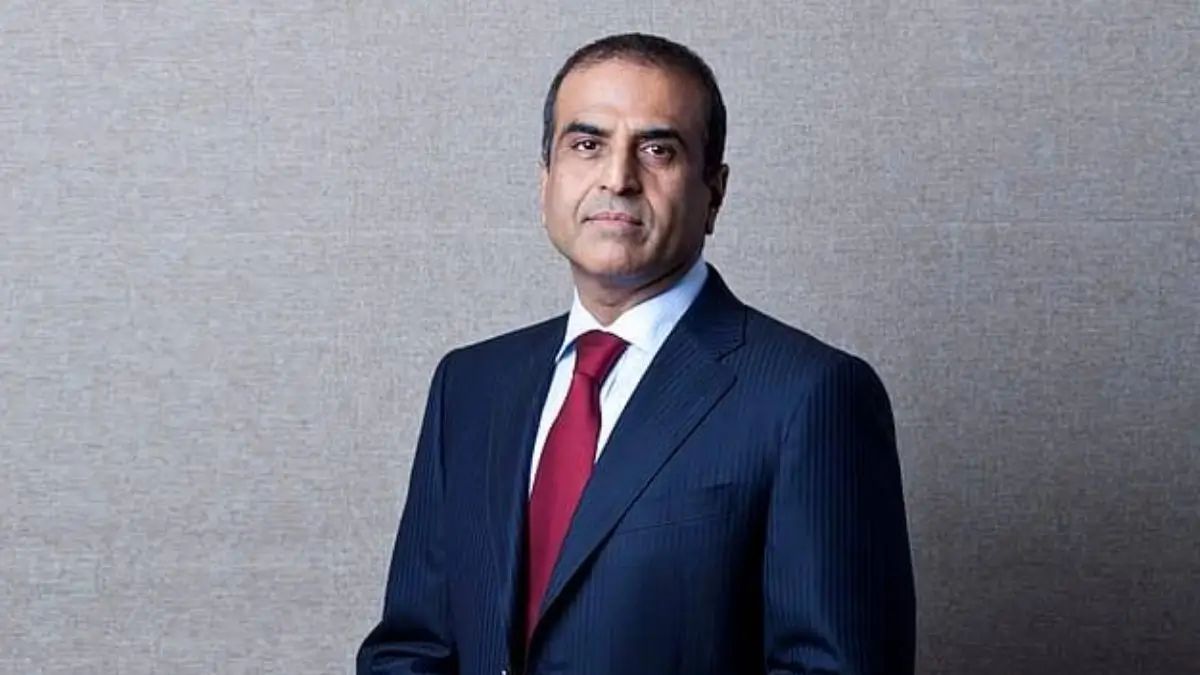
Sunil Bharti Mittal, the founder and chairman of Bharti Enterprises, is set to be conferred with the honor of Knight of the National Order of the Legion of Honor by the French President Emmanuel Macron. On 28th of October, 2026, Sunil Mittal will receive the honor at the French Embassy in New Delhi. This honor is awarded in recognition of the contributions of the Mittal towards fostering economic relations between India and France in the field of telecommunications and satellite communications.

Why Has Sunil Bharti Mittal Been Selected for the Honor?

As mentioned above, the decision of the French government recognizes Mittal’s contribution towards building ties between India and France for more than three decades.

As per Bharti Enterprises, Mittal’s journey in France started in 1992 when the French company Compagnie Générale des Eaux entered into a collaboration with him for introducing mobile telephony in India.

Moreover, his contribution towards satellite communications has strengthened these business ties as he is the co-chairman of Eutelsat, which is a Paris-based satellite communications company.

Introduction to the Legion of Honor of France

The Legion of Honor (Légion d’honneur) is the highest honor of France. The award is awarded for distinguished services in civil and military careers.

Napoleon Bonaparte created the award on 19 May 1802 when he was the First Consul of France. It honors individual merit regardless of the social and professional standing of individuals. The award is made to French citizens and foreigners for their distinguished services to France.

The order has five classes of distinction as follows,

  • Chevalier (Knight) – the lowest class of the order
  • Officier (Officer)
  • Commandeur (Commander)
  • Grand Officier (Grand Officer)
  • Grand-Croix (Grand Cross) – the highest class of the order

Mittal has been conferred the rank of Chevalier of the order

Previous Awards and Honors Won by Sunil Bharti Mittal

The following is a list of the several national and international awards and honors won by Mittal due to his contributions in the business and telecom industries.

Padma Bhushan (2007): This is one of India’s highest civilian awards recognizing his contribution to business and the economy.-

Honorary Knight Commander of the Order of the British Empire (KBE) (2024): This is according to Bharti Enterprises as Mittal was honored as the first Indian citizen who was recognized for this honor by King Charles III.

French Legion of Honor (2026): This distinction is awarded to him in appreciation of his efforts to improve economic and technological collaboration between India and France.

INS Sahyadri Arrives in Russia for India-Russia Naval Exercise INDRA-2026

The stealth frigate of the Indian Navy INS Sahyadri, reached the port of Vladivostok, Russia, on October 10, 2026, for the participation in the joint exercise called INDRA-2026, which is planned for October 13 to 18. The objective of the exercise is to enhance cooperation in the maritime sector, interoperability and professional exchange of the Indian and Russian Navy. The exercise would involve shore activities, sea exercises and cultural exchange.

INDRA-2026: Key Points

It has been stated by the Ministry of Defense that INS Sahyadri arrived in Vladivostok on October 10, 2026.

INDRA-2026 is a bi-lateral navy drill which is performed between Indian Navy and Russian Federation Navy (RuFN).

This exercise will be held from October 13 to 18, 2026.

Two Stages of Exercise INDRA-2026

The exercise will consist of two major stages that include shore-based interactions as well as maritime operations at sea.

  • Harbor Stage: Professional interactions, exchanges of knowledge and other interactions between naval officers.
  • Sea Stage: Maritime operations and exercises for increasing mutual understanding and cooperation.
  • Social and cultural interactions: Interactions aimed at fostering friendship among officers of the two navies.

The aim of the exercise is to facilitate coordination in activities of both navies during joint maritime operations.

IND Sahyadri and its Contribution to the Indian Navy

The Indian Navy’s indigenously constructed, stealth multi-role frigate is known as INS Sahyadri. It is a member of the Shivalik-class of guided-missile frigates that are intended for various naval operations.

The inclusion of the ship in the INDRA-2026 exercise allows the Indian Navy to interact with Russian counterparts and learn coordinated maneuvers at sea.

This also continues the tradition of the ship’s involvement in international fleet exercises, after its involvement along with INS Kulish in the ASEAN-India Maritime Exercise (AIME) 2026 held in the Philippines in October.

MAHASAGAR Vision and Maritime Cooperation by India

The deployment of INS Sahyadri is in line with India’s MAHASAGAR vision that stands for Mutual and Holistic Advancement for Security and Growth Across Regions.

This vision was announced in 2025 and goes beyond the earlier vision of India in relation to the Indian Ocean Region, known as SAGAR.

The exercise comes in the wake of the 23rd India-Russia Annual Summit, which was held in New Delhi from December 4-5, 2025, during the State visit of the President of Russia, Mr. Vladimir Putin.

The two countries reiterated their commitment to the Special and Privileged Strategic Partnership between them.

National Human Rights Commission to Mark 33 Years on 12 October 2026

On 12th of October 2026, the National Human Rights Commission (NHRC), India, marks its 33rd Foundation Day celebrations at the Vigyan Bhawan, New Delhi. The Chief Guest for the occasion will be Justice Surya Kant, Chief Justice of India. The occasion is expected to focus on the Commission’s efforts towards the safeguarding human rights and addressing grievances and recommending relief to the aggrieved parties. In addition to this, a national conference on “Water as the Elixir of Life: Enhancing Human Dignity through the Right to Water” is also scheduled to take place on this day.

33 Years of NHRC – Key Achievements

In the past 33 years since its inception in 1993, NHRC has been striving to safeguard and uphold the human rights through handling of complaints, investigation, making recommendations, etc.

As mentioned in the Foundation Day message of the Commission, NHRC has been able to deal with 24,33,716 cases, out of which 3,100 were suo motu cases.

It has also recommended monetary compensation above ₹274 crore in 9,085 cases where there was violation of human rights.

National Conference 2026: Right to Water and Human Dignity

Following the programme on the Foundation Day, there will be a national conference on the issue of right to water as an issue of human rights. The theme of the conference is “Water, the Nectar of Life: Right to Water for Human Dignity.”

The issues that will be discussed in the conference are the following,

  • Protection and Preservation of Water Bodes: Preserving water bodes as the basis of the right to water.
  • Protection of Sources of Drinking Water: Ensuring the access to drinking water sources for everybody.

The conference will discuss the following aspects related to the topic,

  • Researchers,
  • Academics,
  • Civil society,
  • Human rights activists,
  • Other interested parties.

National Human Rights Commission (NHRC)

The NHRC is the statutory body of India for the promotion and protection of human rights. It was formed on 12th October 1993 under the Protection of Human Rights Act 1993.

The National Human Rights Commission looks into complaints of violations of human rights. It has the power to take suo motu cognizance of any matter.

It has the authority to investigate and make recommendations for compensation, prosecution or corrective action to the concerned authorities. It also studies the safeguards, international treaties and instruments, and conducts research.

The recommendations of the NHRC are not mandatory but are similar to judicial recommendations.

Composition of NHRC

The Commission is comprised of a chairperson, as well as other members who are appointed in accordance with the Protection of Human Rights Act, 1993 (as amended).

It is required that the chairperson of the NHRC should have the statutory judicial qualifications. Besides, the commission has some members who have the judicial background and also expertise in human rights.

Ayodhya Ram Temple Receives FSSAI’s ‘Eat Right Place of Worship’ Certification

As per Food Safety and Standards Authority of India (FSSAI), the Shri Ram Janmbhoomi Teerth Kshetra in Ayodhya, Uttar Pradesh is recognized as a place of worship under the category of “Eat Right Place of Worship” owing to the connection between the two regarding food safety and hygiene standards. The certificate is valid up to 10th of October 2028. The Food Safety and Standards Authority of India CEO, Mr. Rajit Punhani has presented the certificate at a ceremony organized in Ayodhya on 10 October 2026. The main purpose of this program is to ensure the food hygiene during the preparation and distribution of prasad and langar.

What Is the ‘Eat Right Place of Worship’ Initiative?

‘Eat Right Places of Worship’ is an initiative of FSSAI towards improving food safety and hygiene practices at religious institutions. The scheme aims at promoting the practices of maintaining food safety and hygiene at places of worship during the process of food preparation and distribution among devotees.

The initiative also aims at preventing any sort of food adulteration and food preparation irregularities.

Objectives of the Eat Right Places of Worship Initiative

This initiative aims at enhancing food safety practices at places of worship that prepare and distribute prasad and langar.

Some of its main objectives are as follows,

  • Hygiene of food: Ensuring hygiene in food preparation, preservation and distribution.
  • Hygiene in the religious food: Minimizing the chances of contamination and adulteration in prasad and langar.
  • Training: Enhancing the food safety practices of the food handlers.
  • Awareness: Ensuring the proper food handling by places of worship and devotees.
  • Compliance: Ensuring compliance with the food safety standards and regulations.

How Does the FSSAI Certify Religious Institutions?

This certification process entails the evaluation of the food safety and hygiene practices in the organization. According to the process outlined in the programme, the process consists of preliminary audits, training of the food handlers and finally an audit carried out by a third party.

This is an assessment of whether the religious institutions adhere to food safety practices.

Tukaram Mundhe Appointed Secretary of Committee to Overhaul Maharashtra PSC

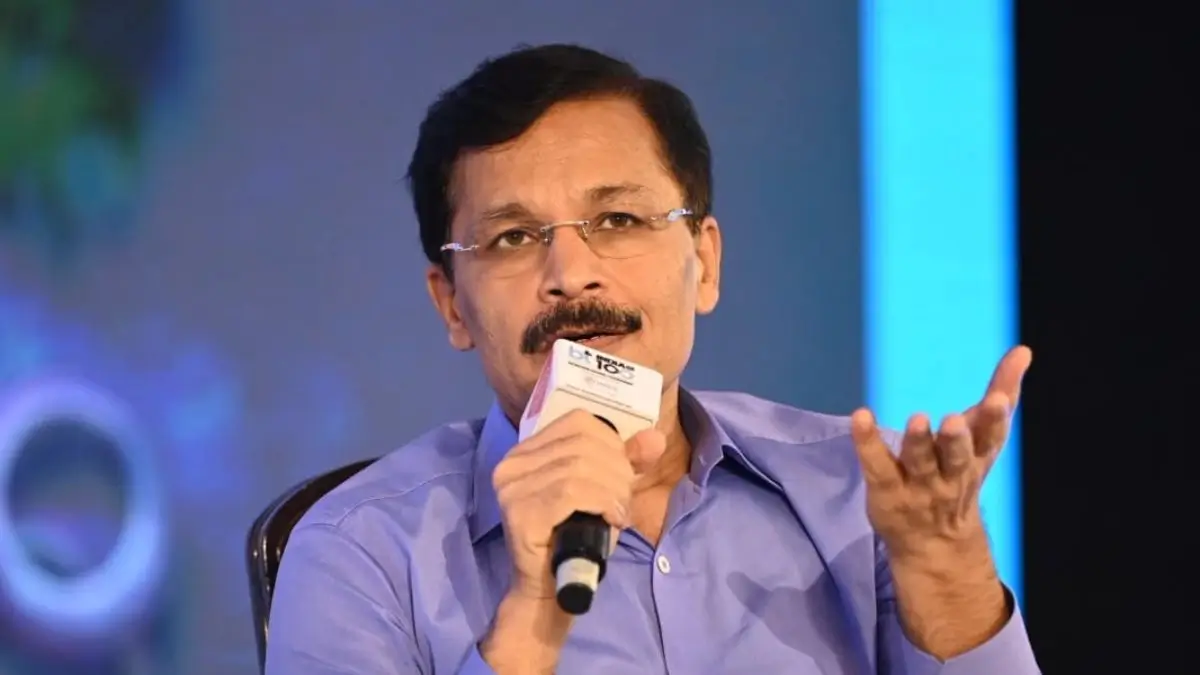
The government of Maharashtra constituted a committee on 11 October 2026 to assess and recommend reforms to the Maharashtra Public Service Commission (MPSC), making the state’s Food and Drugs Commissioner, Tukaram Mundhe, the secretary of the said committee. Retired judge Dilip Bhosale is set to head the committee. This step came as a result of the 10-day protest by MPSC candidates at the SM Joshi bridge in Pune, demanding recruitment reforms, quick filling of vacancies, and examination-related reforms. Other demands made by the protestors would be addressed by the government.

Maharashtra Constitutes MPSC Reforms Committee

The committee was announced by the state’s minister Shivendraraje Bhosale following consultations with protesting candidates at the SM Joshi bridge in Pune on 11 October 2026.

Reports have it that the committee would be serving as a two-month inquiry committee to probe the irregularities in MPSC examinations, including paper leakages. Mundhe was appointed as the secretary to the committee as demanded by the aspirants.

Members of the MPSC Inquiry Committee

The five-member committee have the experts in the filed like judicial, administrative, and police expertise. Ex-judge Dilip Bhosale is set to head the committee, whereas Tukaram Mundhe will act as secretary of the committee.

  • Dilip Bhosale: Committee Chairman; ex-judge
  • Tukaram Mundhe: Secretary; Commissioner, Maharashtra Food and Drugs Administration
  • Laxmi Gautam: IPS Officer
  • Ganesh Patil: Ex IAS Officer
  • P. D. Naik: Ex-Judge

It is believed that the committee will look into the issues regarding MPSC exams and the working of the recruitment process. The two-month period is mentioned for the same.

Demands Made by MPSC Aspirants

Protest in Pune focused on issues of lack of transparency in recruitments, examination irregularities and delayed recruitments for government vacancies. Demands listed in the news report provided are,

  • Recruitment of 70,000 vacancies: It is claimed that aspirants were demanding that 70,000 government vacancies be filled in three years.
  • Recruitment for Group C: Aspirants were demanding increase in number of vacancies related to the Group C exam.
  • Withdrawal of case: Protestors were demanding withdrawal of cases filed against some of the representatives of agitation.
  • Inquiry regarding irregularities: It is claimed that there was demand for inquiry into question paper leakages and other examination issues.
  • Issue related to MPSC chairman: Protestors were demanding resignation of MPSC chairman Vivek Bhimnawar.

Decision regarding some of these demands had been communicated by the government. But as far as issue of removal of MPSC chairman was concerned, it was stated as unresolved at first and then resolved when it was reported that the chairman will go on leave.

What is Maharashtra Public Service Commission (MPSC)?

Maharashtra Public Service Commission is the public service commission for the state that recruits qualified individuals through examinations for eligible Maharashtra government services or posts within their jurisdiction.

It serves a function similar to the Union Public Service Commission (UPSC).

Results of MPSC exams and their schedules have an impact on candidates who aspire to join public services in Maharashtra. This is why any claim concerning irregularities in the conduct of the examination is significant.

Provisions Made In The Constitution Regarding Public Service Commission

Provisions relating to Public Service Commissions find a place in Part XIV of the Constitution of India that addresses services of Union and the States.

  • Article 315: It provides the Public Service Commission for the Union and for each State.
  • Article 316: Relates to the appointment and term of office of members of Public Service Commissions.
  • Article 317: Relates to the removal and suspension of members.
  • Article 320: Addresses the function of Public Service Commissions, which includes holding examinations for recruitment to Union and state services.
  • Article 323: Relates to reports of Public Service Commissions.

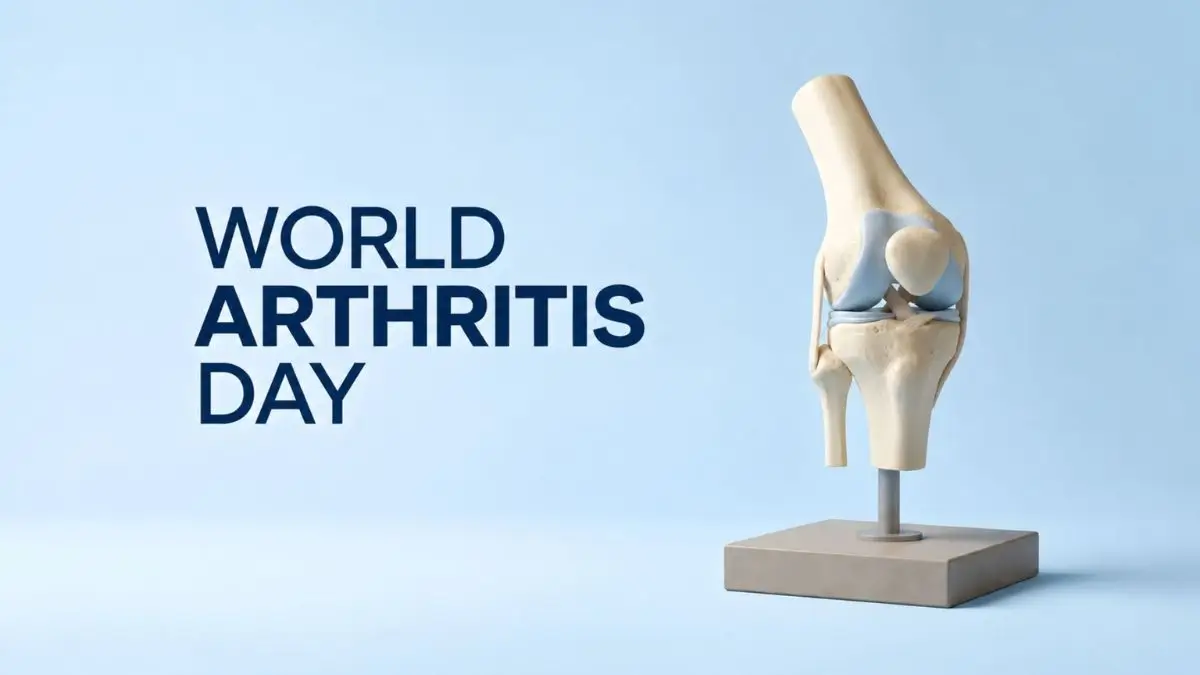
World Arthritis Day 2026: Date, Theme, History and Key Facts

The World Arthritis Day 2026 observed on Monday, October 12, to mark the impact of the arthritis and other RMDs. It was launched in 1996 by the Arthritis and Rheumatism International (ARI), the yearly observance draws attention to the influence of RMDs on physical movement, function, and quality of life. For 2026, the theme for the event will be ‘Achieve Your Dreams’ as championed by the European Alliance of Associations for Rheumatology (EULAR), focusing on aspirations of those with RMDs and how they can be fulfilled.

Theme of World Arthritis Day 2026

The theme for World Arthritis Day 2026 is ‘Achieve Your Dreams’. This theme has been continued in the current year from the theme which was set out for the period of 2025–2026 by EULAR.

The aim of this campaign is to focus on the personal goals, dreams, and aspirations of those individuals who have rheumatic and musculoskeletal diseases. They may include education, working and contributing to the family life etc.

Moreover, this campaign will emphasize the significance of diagnosis at an early stage, appropriate treatment, awareness, and integration within the society. The basic message of this campaign is that the people suffering from RMDs should get the necessary assistance to achieve their goals in spite of their health problems.

History of World Arthritis Day

World Arthritis Day was created in 1996 through the efforts of Arthritis and Rheumatism International (ARI). The idea behind it was to increase awareness in the general public and among healthcare professionals about arthritis and other forms of rheumatism and musculoskeletal disorders.

World Arthritis Day has evolved into a global awareness campaign, involving patient organizations, healthcare professionals and advocates. This is an occasion to call attention to the difficulties surrounding diagnosis, treatment, disease management and integration into society.

EULAR participates in the campaign by uniting those affected with RMDs, healthcare professionals, researchers and patient organizations. The day raises public awareness of how the healthcare system and society can assist people suffering from such diseases.

What Are Arthritis and Rheumatic and Musculoskeletal Diseases?

Arthritis is a broad term used to describe conditions characterized by inflammation and damage in the joints. Based on the condition’s nature, it may cause pain, stiffness, swelling and difficulty moving.

Rheumatic and musculoskeletal diseases (RMDs), commonly known as rheumatic and musculoskeletal disorders, include a range of conditions that involve joints, bones, muscles and connective tissues. The causes of such diseases include inflammation, autoimmune disorder and degeneration among others.

Some common types of arthritis include,

  • Osteoarthritis: It involves changes and damage of joint tissues and structures and usually affects knee joints, hip joints, finger joints and the spine.
  • Rheumatoid arthritis: An autoimmune and inflammatory chronic condition that involves joint linings, causing pain, swelling and joint damage.
  • Different diseases have different symptoms and development stages. Joint pain, swelling or stiffness needs assessment by a trained health practitioner and should not always be blamed on age.

Why is There a World Arthritis Day?

The World Arthritis Day is intended to increase awareness about the consequences of arthritis and other RMDs for one’s well-being and social life. These diseases might be detrimental to the ability to move around, to work, to study, to take care of one’s family, and to engage in all sorts of daily activities.

There are several key focuses includes the,

  • Awareness: raising awareness about the arthritis and RMDs.
  • Early detection: encouraging early medical consultation regarding symptoms.
  • Proper treatment and rehabilitation: emphasizing their significance.
  • Patients’ experiences and needs: understanding the needs of the patients with arthritis and RMDs.
  • Accessibility of people with chronic musculoskeletal conditions: calling for more accommodation at workplaces, communities and other institutions.

The ‘Achieve Your Dreams’ initiative planned for 2026 puts an accent specifically on the dreams of such people and how they can be fulfilled.

How Is World Arthritis Day Celebrated?

The World Arthritis Day is celebrated through awareness campaigns, education and various activities held by patient organizations, health facilities and advocacy organizations.

This could take the form of awareness walks and campaigns, online seminars, patient interactions, etc., where the experiences of those suffering from RMDs are shared. Health care facilities can use this day to enlighten people about the symptoms, the treatment options available, and why there is need for professional assessment.

Individuals can play their role in this through spreading awareness from reputable health agencies and supporting those suffering from arthritis.

Prakash Rajpurohit Appointed Deputy Election Commissioner: Tenure Until April 2030

Prakash Rajpurohit, a 2010-batch Indian Administrative Service (IAS) officer from Rajasthan cadre has been appointed as Deputy Election Commissioner in the Election Commission of India (ECI). As per an order issued by the Ministry of Personnel on 10th of October, he will serve till April 8th, 2030, in place of Sanjay Kumar. This comes amidst the overall administrative reshuffle, wherein the Appointments Committee of the Cabinet (ACC) cleared 27 civil servants for joint secretary-level posts.

Term of Prakash Rajpurohit

Prakash Rajpurohit is appointed as the Deputy Election Commissioner as the successor of Sanjay Kumar in the same position. Prior to the above-mentioned appointment, Rajpurohit was functioning as Joint Secretary at the Department of Defence Production in the Ministry of Defence. It is reported that his term in the new post will extend until April 8, 2030, as per the Personnel Ministry order.

The appointment relates to filling with the vacant position in the administrative mechanism of the Election Commission of India. The ECI is charged with administering elections to Parliament, State Legislatures, and the offices of the President and Vice-President under the constitutional scheme.

What Is the Election Commission of India?

The Election Commission of India (ECI) is an independent constitutional body formed on January 25, 1950. Its powers and functions are mainly vested in the Commission by virtue of Article 324 of the Constitution of India, where powers of superintendence, direction, and control of electoral rolls and conducting elections have been conferred upon the Commission.

The ECI conducts elections to Lok Sabha, Rajya Sabha, State Legislative Assemblies, and offices of the President and Vice-President.

Important Appointments Made in 2026 Bureaucratic Reorganisation

The Appointments Committee of the Cabinet (ACC) made 27 appointments of civil servants to Joint Secretary-level posts and equivalents. The appointments span across various ministries, departments, and other public sector organisations.

Name New Post
Prakash Rajpurohit Deputy Election Commissioner, ECI
Vivek Khare Joint Secretary, National Testing Agency
Varnali Deka Joint Secretary, National Health Authority
Ashish Madhaorao Additional CEO, National Health Authority
Tamboli Ayyaj Fakirbhai Executive Director, Insurance Regulatory and Development Authority of India
Rajesh Malik Executive Director, Food Corporation of India
Sonia Pant Advisor at joint secretary level, NITI Aayog
Nitin Kumar Additional Secretary at joint secretary level, Central Vigilance Commission
Rajneesh Kumar Tomar CEO, National Highways Logistics Management Ltd
Nishtha Tiwari CEO, Development and Welfare Board for Denotified, Nomadic and Semi-Nomadic Communities

There are some other appointments as well such as that of Ravi Shankar, Chittaranjan Dash, P. Manoj Kumar and Abhishek Bhagotia as joint secretaries in the Ministry of Home Affairs and Mohammed Y. Safirulla K and Ritu Sharma as joint secretaries in the Department of Health and Family Welfare.

Joint Secretary Vivek Khare of NTA

Vivek Khare is an Indian Telecom Service Officer who joined in 1996, has been appointed as Joint Secretary at the National Testing Agency (NTA).

This institution handles several examinations at the national level.

There have been attempts of administrative strengthening of this agency following complaints of poor management of examinations and recommendations of the committee headed by K. Radhakrishnan, Former Chairman of ISRO, in 2024. This committee reviewed the reforms of national examination system which includes NTA.

_12.1
October 2026
M T W T F S S
 1234
567891011
12131415161718
19202122232425
262728293031