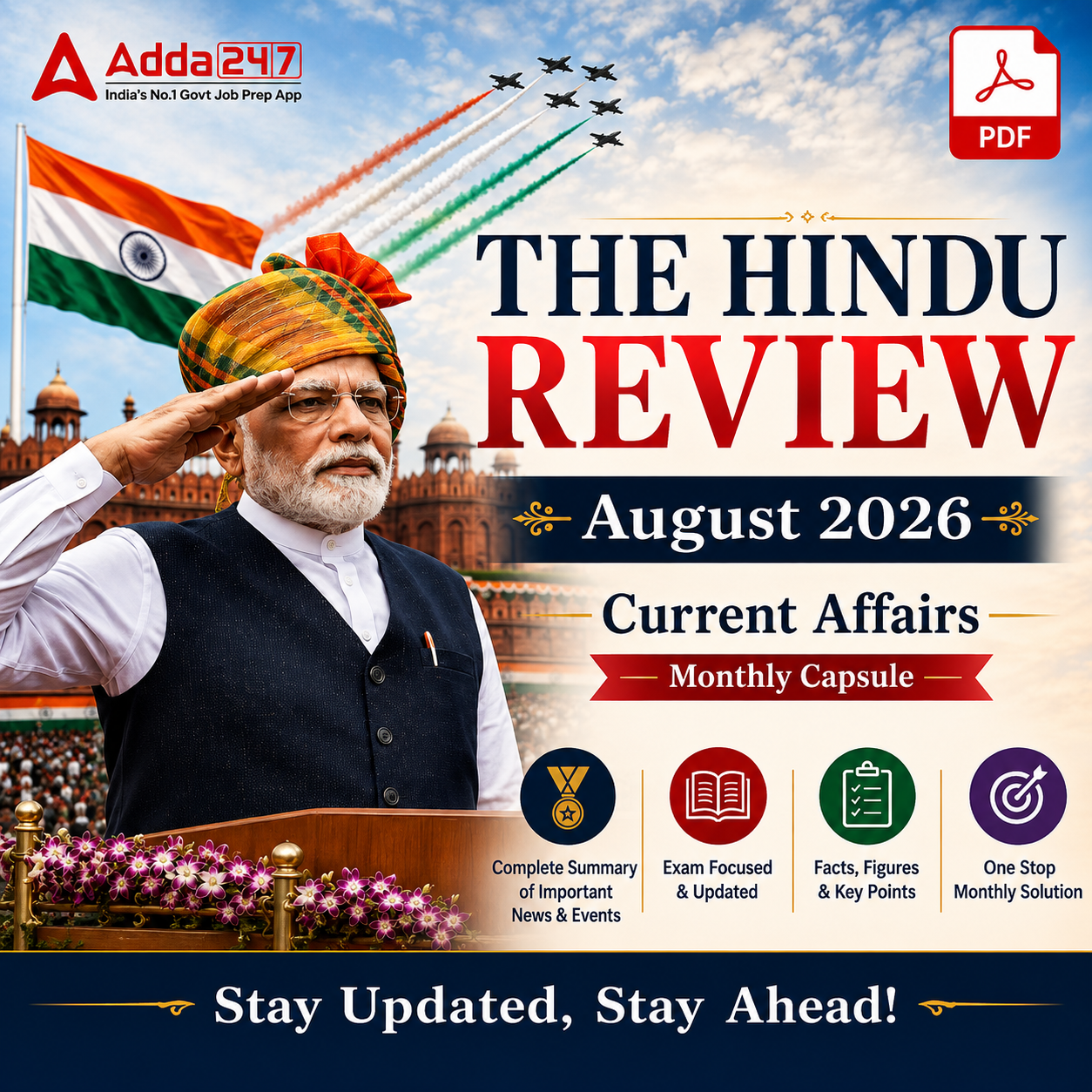
Prime Minister Narendra Modi recently embarked on a day-long visit to Goa, where he inaugurated several significant infrastructural projects aimed at advancing various sectors, including sea survival training, energy, education, and waste management. These projects not only signify India’s progress towards self-reliance but also underscore the government’s commitment to fostering development and innovation across different domains.
Inauguration of ONGC Sea Survival Centre
During his visit, Prime Minister Modi inaugurated the integrated Sea Survival Training Centre developed by ONGC in Goa. This state-of-the-art facility is expected to train thousands of personnel annually, enhancing their sea survival skills and ensuring their preparedness to face real-life disasters.
India Energy Week 2024
Prime Minister Modi also inaugurated India Energy Week 2024, a pivotal event aimed at catalyzing India’s energy transition goals. This comprehensive exhibition and conference bring together key stakeholders from the energy sector, fostering collaboration, innovation, and investment opportunities. The event underscores India’s commitment to achieving energy self-sufficiency and sustainability.
Focus on Startups and Innovation
A significant aspect of India Energy Week 2024 is the emphasis on encouraging startups and integrating them into the energy value chain. With the participation of global energy leaders, ministers, and exhibitors, the event serves as a platform for showcasing innovative solutions and fostering partnerships to drive the energy transition agenda forward.
Inauguration of Key Infrastructural Projects
Apart from inaugurating the Sea Survival Centre and India Energy Week 2024, Prime Minister Modi laid the foundation stones and inaugurated several other infrastructural projects in Goa. These include the permanent campus of the National Institute of Technology Goa, the new campus of the National Institute of Watersports, and a 100 TPD Integrated Waste Management Facility, among others. These projects aim to enhance educational opportunities, promote water sports development, and address environmental challenges in the region.
Empowerment and Welfare Initiatives
Additionally, Prime Minister Modi distributed appointment orders to government recruits and handed over sanction letters to beneficiaries of various welfare schemes, reaffirming the government’s commitment to empowering citizens and ensuring inclusive growth.
Important Questions Related to Exams
- What significant infrastructural projects did Prime Minister Narendra Modi inaugurate during his visit to Goa?
- What is the purpose of the Sea Survival Training Centre developed by ONGC in Goa?
- What is the objective of India Energy Week 2024, inaugurated by Prime Minister Modi?
Kindly share your responses in the comment section.






 Marathi Thriller Gondhal Is India’s Of...
 NHAI OneTag FASTag Portability: Change B...
 Who Is Zhang Yiming? ByteDance Founder B...