India is a land where many places are famous for one special craft or product. These local industries not only support the economy but also give identity to the region. Among them is a district that has become widely known for producing warm blankets in large numbers. Its long tradition of textile work, skilled workers, and large production has made it important across the country.
Long History of Wool and Weaving Work
Many cities in North India have a long tradition of weaving and wool-related work. For hundreds of years, local weavers produced warm clothes by hand. However, with the rise of modern industries, large factories have slowly replaced traditional weavers. Even today, some cities remain famous for producing winter products on a large scale.
Which City is known as the City of Blankets?
In India, Panipat, a city in the state of Haryana, is widely known as the “City of Blankets.” This name comes from its strong connection with blanket manufacturing. The city has become a major centre for producing blankets and other woollen items.
Why is Panipat known as the City of Blankets?
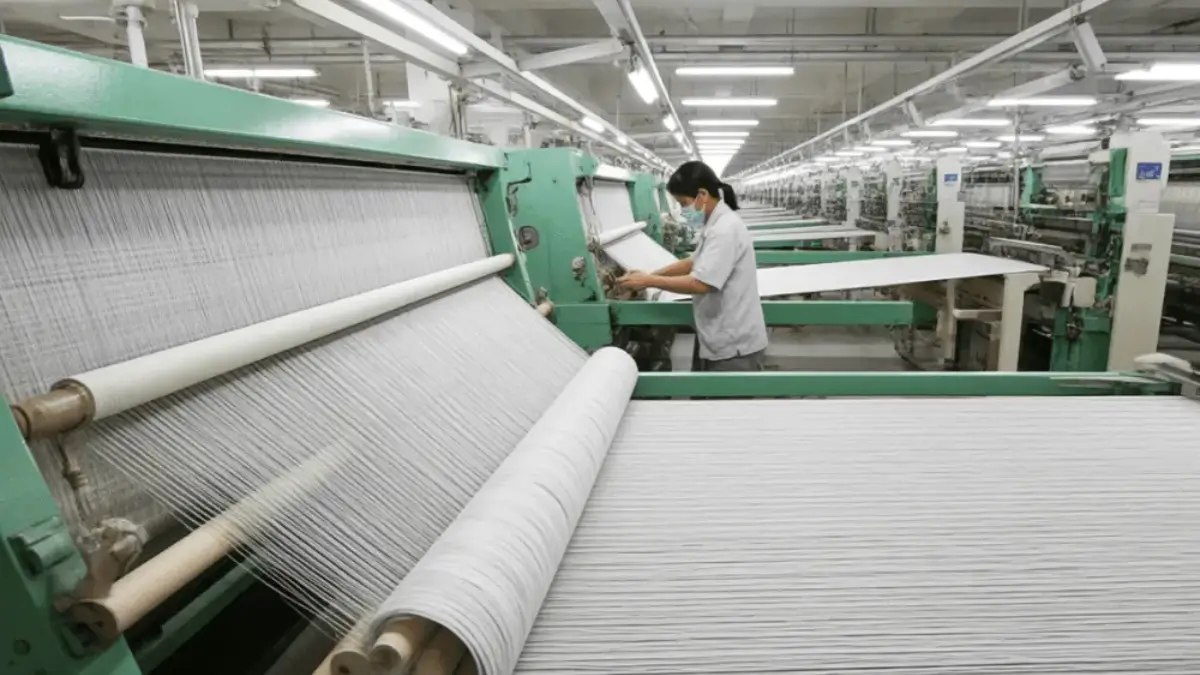
Panipat has a well-established wool industry that has existed for many years. Old wool and used winter clothes are collected and recycled here. This recycled wool is processed into fresh yarn, which is then used to make blankets, sweaters, and other warm products. Due to the large number of blanket factories and high production levels, Panipat earned the title of the City of Blankets.
Recognition at the International Level
Blankets made in Panipat are not only popular in India but are also exported to many countries. Their good quality and affordable prices have helped Panipat gain recognition in international markets. Exporting blankets also strengthens the city’s global identity.
Fulfilling Domestic Demand Across India
Panipat plays a major role in meeting India’s demand for blankets, especially in North India. The city produces around 1,000 tonnes of blankets every day and supplies nearly 75 percent of the country’s blanket needs. This large-scale production creates daily business worth crores of rupees and contributes greatly to the local economy.








 Weekly Current Affairs One Liners (5th t...
 Who Is Navi Pillay? Nobel Peace Prize 20...
 Vande Bharat vs Amrit Bharat Express: Ke...