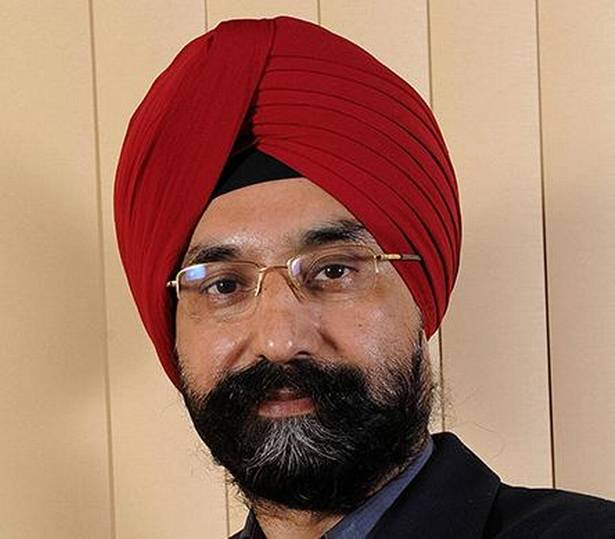
The 14th Ministerial Conference (MC-14) of the World Trade Organization (WTO) concluded on the 30th March in Yaounde in Cameroo. This conference brings together the global trade leaders to discuss the critical economic issues. Indian delegation was led by Piyush Goyal and India has actively participated to shaping the discussions on WTO reforms, fisheries subsidies, e-commerce and the agriculture. This conference has highlighted the need for the fair, inclusive and the development-oriented global trading system for developing and least developing nations.
Key Outcomes of WTO MC-14
The MC-14 of the WTO was focused on to the multiple high priority global trade issues though the several discussions remain are still ongoing.
Key outcomes of the MC-14 includes,
- The continued negotiations on the fisheries subsidies and its recommendations are expected to except at MC-15
- Also the adoption of decision to support the small economies and its integration into the global trade
- Strengthen the implementation of SPS (Sanitary and Phytosanitary) and TBT (Technical Barriers to Trade) agreements
While the some progress was also made but the several complex issues could not reach out to the full consensus and its showcase the global challenges to the trade negotiations globally.
India’s Stand on WTO Reforms
India had emphasized that consensus-based decision-making is the foundation pillar of the WTO system. Mr. Piyush Goyal has stressed that no country should be forced into the agreements without consent.
India highlighted the key concerns such as,
- The need for the transparent and inclusive reform process
- Also to addressing long-pending issues like food security and public stockholding (PSH)
- And the gixing the dysfunctional dispute settlement system
Fisheries Subsidies: Sustainability and Livelihoods
Fisheries subsidies were one of the most debated topics at MC-14 and India had represented a people centric and balanced approach.
India also highlighted that,
- Over the 9 million people are depend on the fisheries for livelihood
- Indian fishermen are mostly small-scale and sustainable
- The real issue lies with the large industrial fleets not the traditional fisherman
No Consensus on E-Commerce and Digital Divide
The issue of the customs duty on the electronic transmissions is still remained unresolved. Despite the extensive discussions in MC-14 WTO members were failed to reach the consensus.
India stated its position and it focused on to,
- Bridge the digital divide
- Also to strengthening digital infrastructure and skills
- And ensuring the fair participation of developing nations in digital trade
Agricultural Focus on Food Security
India has strongly advocated for the food security and farmer protection and especially for the developing nations.
Key points raised by India are,
- Need for the permanent solution on the Public Stockholding (PSH)
- Importance of the Special Safeguard Mechanism (SSM)
- Addressing the cotton-related issues for the developing countries
What is WTO Ministerial Conference?
The WTO’s Ministerial Conference is the highest decision-making body of the World Trade Organization and held for every two years.
It plays the crucial role in the,
- Setting the global trade rules
- Negotiating the international agreements
- Addressing disputes and policy issues


Former Suriname President Chandrikapersa...
No Social Media for Kids Under 16: Indon...
UK Sets Strict Screen Time Rules for Kid...