India is poised to sign a preliminary agreement with Mongolia to enhance bilateral cooperation in the fields of geology and exploration. This agreement focuses on sourcing critical minerals, particularly copper and coking coal, vital for India’s industrial sectors. Mongolia’s rich reserves of these minerals offer India an opportunity to reduce dependence on imports from other nations, particularly in the wake of rising demand for copper, used in power generation, construction, and electric vehicles, and coking coal, essential for steel production.
Key Highlights
MoU Approval
- India’s Cabinet has approved a Memorandum of Understanding (MoU) for cooperation in the mining sector with Mongolia, which is expected to be signed soon.
Mineral Resource
- Mongolia is rich in deposits of copper and coking coal, both of which are vital for India’s growing industrial needs.
Indian Demand
- India has increasing demand for copper for its power, construction, and electric vehicle industries, and coking coal for steelmaking, which is largely met through imports.
Key Indian Companies
- Companies like Adani, Hindalco, and Vedanta are interested in sourcing copper from Mongolia, with talks ongoing.
Preferred Supply Routes
- India is working with Mongolia on establishing supply routes for these minerals. Despite the longer distance, India prefers sourcing minerals through the
- Vladivostok route in Russia over the more convenient route through China, reflecting the strategic preference in light of recent geopolitical tensions with China.
Strategic Context
- Relations between India and China have been tense since the 2020 military clash, and this agreement with Mongolia could help India secure resources from an alternative, reliable source.
Industry Impact
- Mongolia’s superior quality of coking coal has piqued the interest of Indian steelmakers, including JSW Steel and SAIL, which are in talks to import shipments of Mongolian coal.
Environmental and Economic Implications
- Economic Impact: The deal is expected to boost bilateral trade and help India meet the growing demands of its industrial sectors, including power, steel, and electric vehicles.
- Environmental Concerns: With the focus on mining, careful attention needs to be paid to the environmental impact of increased mineral extraction in Mongolia, a country already facing challenges with resource management and sustainability.
- Long-term Benefits: Securing access to Mongolian resources may offer India long-term supply stability for critical minerals, mitigating risks related to volatile global markets.
| Summary/Static | Details |
| Why in the news? | Mining Pact Between India and Mongolia Expected Soon |
| Agreement Type | Preliminary agreement/MoU for mining cooperation |
| Minerals of Interest | Copper, Coking Coal |
| Indian Demand | Growing demand for copper in power, construction, EVs, and for coking coal in steelmaking |
| Indian Companies Involved | Adani, Hindalco, Vedanta |
| Supply Routes | Preference for Vladivostok route (Russia) over China route |
| Mongolian Resources | Rich in copper and superior-grade coking coal |
| Strategic Importance | Reduces dependency on China, secures critical mineral resources |
| Environmental Impact | Concerns over resource extraction and environmental sustainability |
| Negotiations Ongoing | JSW Steel and SAIL in talks to import coking coal |
| Geopolitical Context | Relations with China strained post-2020 border clash, influencing route preference |








 What RBI’s New Partnership with I4C Me...
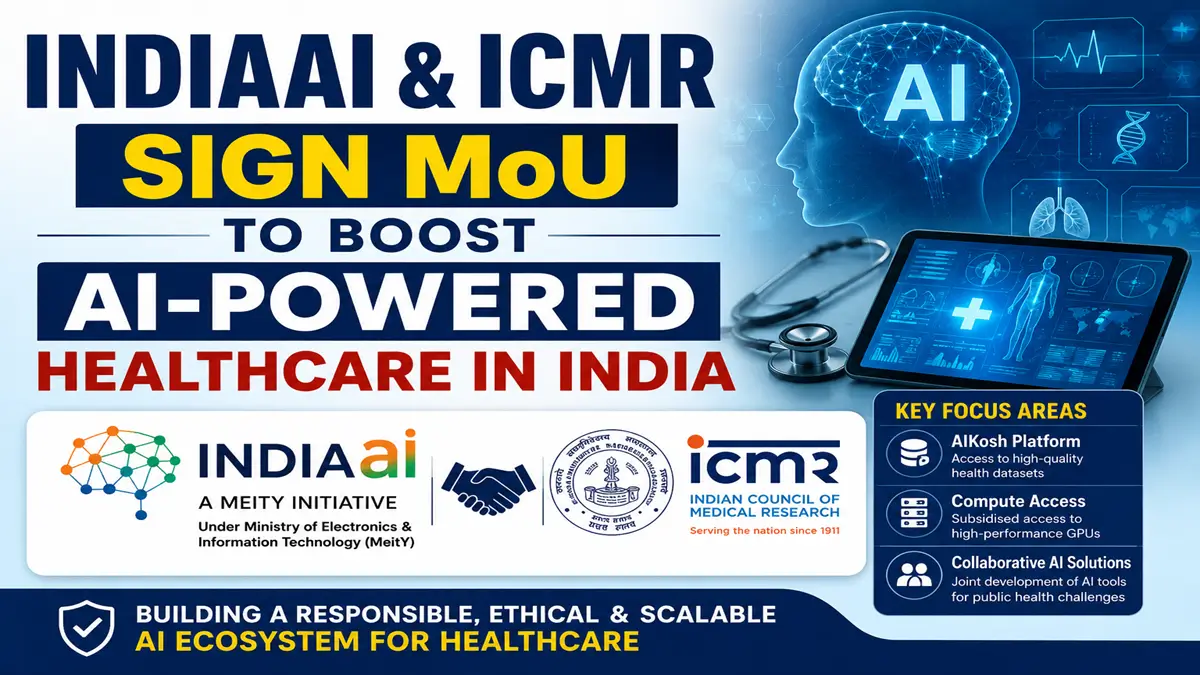 IndiaAI and ICMR Sign MoU to Strengthen ...
 India Partners with UNDP and Global Envi...