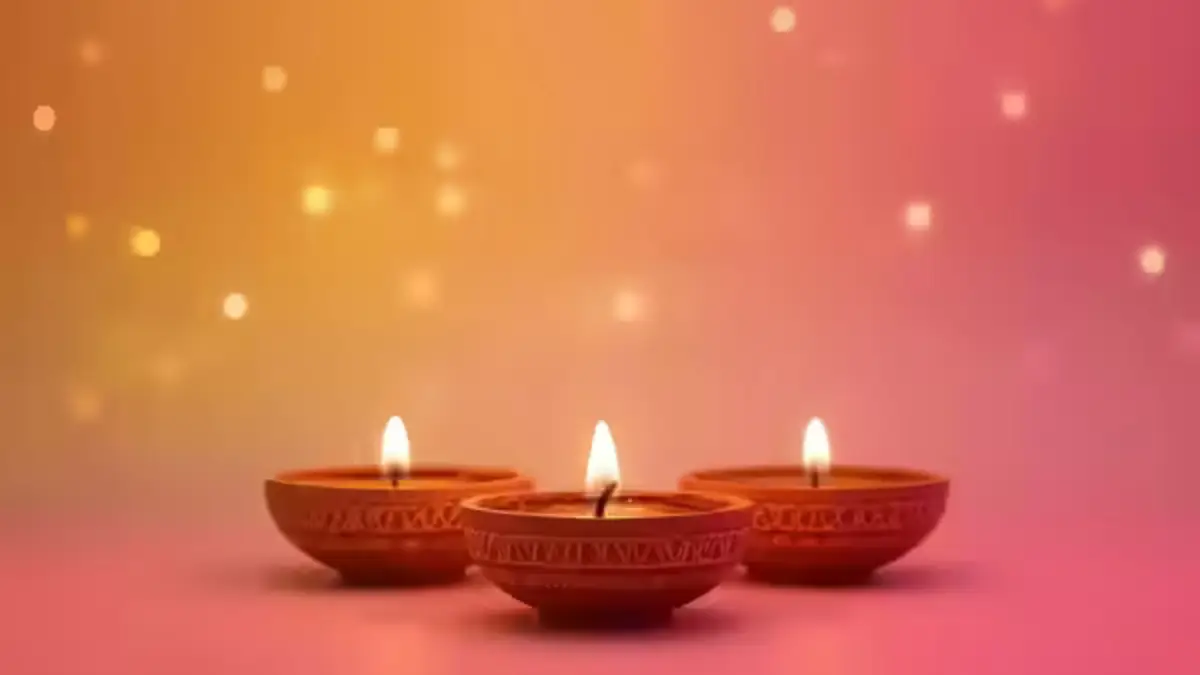
Diwali 2025, the festival of lights, will be celebrated with joy, devotion, and togetherness across India and the world. It symbolizes the victory of light over darkness and good over evil. Homes glow with diyas, families exchange gifts, and prayers are offered to Goddess Lakshmi for wealth and happiness. This Diwali, spread positivity and celebrate love, peace, and new beginnings.
Diwali 2025 – Date
Diwali 2025 will be celebrated on Monday, October 20, 2025, according to the Hindu lunar calendar, which falls on the Amavasya Tithi of Kartik month. The festival marks the victory of light over darkness and good over evil. It is part of a five-day celebration, starting with Dhanteras and ending with Bhai Dooj, spreading joy, hope, and togetherness across India.
Diwali 2025 – Quotes
- “May the light of Diwali bring endless joy, peace, and prosperity to your life.”
- “Let this Diwali burn away your worries and light up your heart with happiness.”
- “As diyas shine and candles glow, may your life be filled with love and hope.”
- “Diwali reminds us that even the smallest light can defeat the deepest darkness.”
- “Wishing you a Diwali as bright as your dreams and as warm as your heart.”
- “Let this Diwali inspire new beginnings and fill your home with laughter and light.”
- “Light a lamp of positivity, spread the glow of happiness — Happy Diwali!”
- “May Goddess Lakshmi bless you with wealth and Lord Ganesha guide you with wisdom.”
- “The real sparkle of Diwali lies in the smiles we share and the love we spread.”
- “Celebrate Diwali with kindness, gratitude, and the spirit of togetherness.”
- “This Diwali, may your path be lit with success and your days filled with peace.”
- “Let every diya you light remind you that hope always shines through darkness.”
Best Wishes for Diwali 2025
- May the brightness of Diwali fill your life with endless joy and success.
- Wishing you and your family a Diwali full of peace, prosperity, and togetherness.
- May the divine light of Diwali bring happiness, good health, and wealth to your home.
- Let the diyas of Diwali light up your path toward a bright and happy future.
- On this Diwali, may your dreams shine as bright as the festival lights.
- Wishing you moments of laughter, love, and positivity this Diwali and always.
- May Goddess Lakshmi bless you with abundance, and Lord Ganesha remove all obstacles from your life.
- Celebrate this Diwali with a heart full of gratitude and a home full of light.
- Happy Diwali! May your days be filled with sparkle and your nights with peace.
- Wishing you new beginnings, endless blessings, and joyful celebrations this Diwali.
- Let your heart glow brighter than the diyas and your home be filled with love.
- May Diwali bring sweet moments, golden memories, and countless blessings to your life.
Significance of Diwali
Diwali, the Festival of Lights, holds deep spiritual and cultural meaning. It symbolizes the victory of light over darkness, good over evil, and knowledge over ignorance. People celebrate by lighting diyas, worshipping Goddess Lakshmi and Lord Ganesha, and sharing joy with loved ones. Diwali also marks new beginnings, prosperity, and togetherness, reminding everyone to spread positivity, hope, and happiness in life.








 Weekly Current Affairs One Liners (14th ...
 Which Indian State Has the Most GI-Tagge...
 QDENGA Dengue Vaccine: India’s First A...