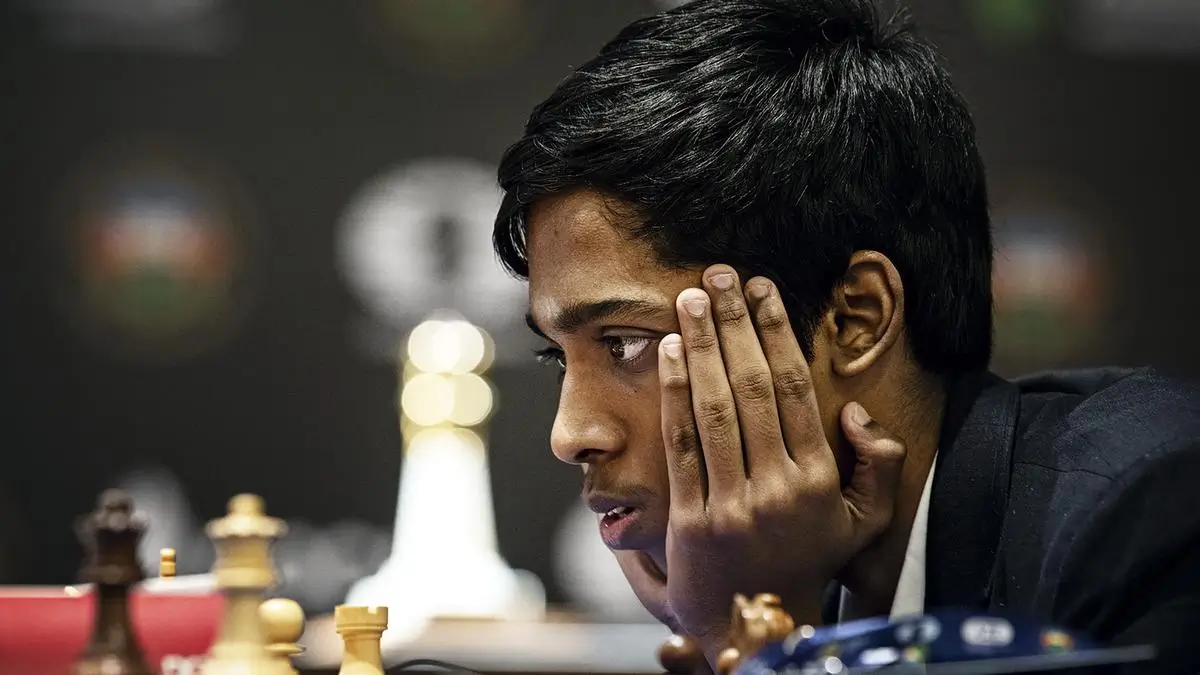
India is set to host the prestigious FIDE Chess World Cup 2025, marking a significant milestone for the country as it takes on the role of the host for its first major international chess tournament since the 2022 Chennai Chess Olympiad. This announcement is poised to further elevate India’s stature in the global chess arena, especially considering the country’s growing influence in the sport.
Details of the Tournament
The FIDE Chess World Cup 2025 is scheduled to take place from October 31 to November 27, 2025. This tournament is of paramount importance as it features a knockout format with over 200 players from around the world. It also serves as a vital gateway to the Candidates Tournament, offering three qualification spots. These spots are highly coveted as the Candidates Tournament determines who will challenge the reigning World Chess Champion.
Originally, FIDE, the international chess governing body, had listed India as the host nation in its 2025 calendar. However, the announcement was retracted on Monday, with a “to be announced” status replacing it. Despite this, sources within the All India Chess Federation (AICF) have confirmed to Sportstar that the hosting rights for the World Cup have indeed been finalized, reaffirming India’s commitment to hosting this prestigious event.
Historical Context of India’s Chess Achievements
India’s involvement in the FIDE Chess World Cup has been noteworthy in recent years. The country’s R. Praggnanandhaa made history in the 2023 edition, when he secured the silver medal after a narrow loss to Magnus Carlsen in the final. His remarkable journey through the tournament captivated chess enthusiasts worldwide, and it underscored India’s rising influence in global chess.
Notably, Viswanathan Anand, one of India’s most iconic chess players, remains the only Indian to have won the FIDE World Cup. Anand clinched back-to-back titles in 2000 and 2002, during a period when the format of the tournament included a round-robin stage. His victories during those years cemented his legacy as one of the greatest chess players of all time and helped elevate India’s reputation on the international chess stage.
Arjun Erigaisi and the Road to the Candidates 2026
In addition to the achievements of Praggnanandhaa and Anand, India’s Arjun Erigaisi has also made significant strides in the international chess scene. Erigaisi came close to qualifying for the Candidates 2026 through the FIDE Circuit ratings in 2024. However, he narrowly missed out on securing a spot, finishing behind Fabiano Caruana, who earned his qualification as the top-rated player on the leaderboard. Erigaisi’s performance in the FIDE Circuit remains a testament to his skill and potential as a future contender in world chess tournaments.
Significance of India Hosting the FIDE Chess World Cup
India’s role as the host for the 2025 FIDE Chess World Cup is of immense significance. The tournament is expected to not only showcase India’s rich chess heritage but also attract international attention to the sport within the country. Hosting such a high-profile event will further promote chess at the grassroots level and inspire future generations of players.
This event comes at a time when India has been making waves in the chess world, with young prodigies like Praggnanandhaa and Erigaisi gaining international recognition. The FIDE Chess World Cup 2025 will offer these emerging talents an opportunity to showcase their skills on home soil, which could prove pivotal in their careers.








 Abhishek Sharma Hits Fastest T20I Centur...
 Brendan Taylor Breaks Sachin Tendulkarâ€...
 Global Chess League 2026 Final: Ganges G...