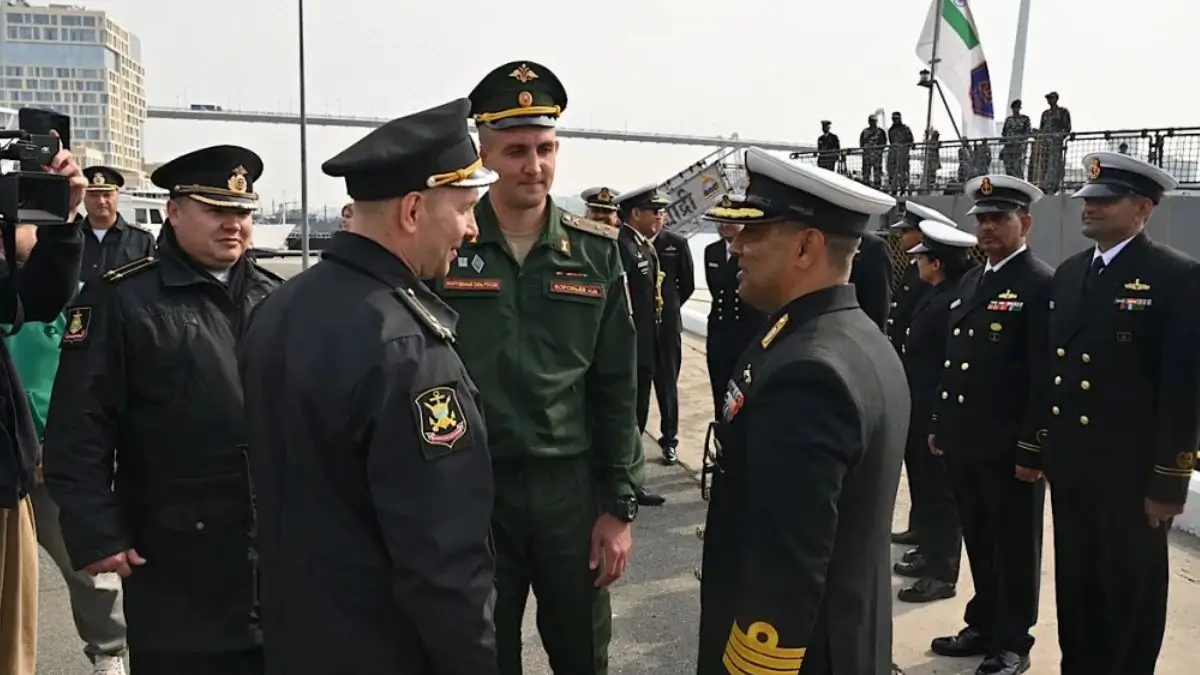
INS Sahyadri Arrives in Russia for India-Russia Naval Exercise INDRA-2026

The stealth frigate of the Indian Navy INS Sahyadri, reached the port of Vladivostok, Russia, on October 10, 2026, for the participation in the joint exercise called INDRA-2026, which is planned for October 13 to 18. The objective of the exercise is to enhance cooperation in the maritime sector, interoperability and professional exchange of the Indian and Russian Navy. The exercise would involve shore activities, sea exercises and cultural exchange.

INDRA-2026: Key Points

It has been stated by the Ministry of Defense that INS Sahyadri arrived in Vladivostok on October 10, 2026.

INDRA-2026 is a bi-lateral navy drill which is performed between Indian Navy and Russian Federation Navy (RuFN).

This exercise will be held from October 13 to 18, 2026.

Two Stages of Exercise INDRA-2026

The exercise will consist of two major stages that include shore-based interactions as well as maritime operations at sea.

  • Harbor Stage: Professional interactions, exchanges of knowledge and other interactions between naval officers.
  • Sea Stage: Maritime operations and exercises for increasing mutual understanding and cooperation.
  • Social and cultural interactions: Interactions aimed at fostering friendship among officers of the two navies.

The aim of the exercise is to facilitate coordination in activities of both navies during joint maritime operations.

IND Sahyadri and its Contribution to the Indian Navy

The Indian Navy’s indigenously constructed, stealth multi-role frigate is known as INS Sahyadri. It is a member of the Shivalik-class of guided-missile frigates that are intended for various naval operations.

The inclusion of the ship in the INDRA-2026 exercise allows the Indian Navy to interact with Russian counterparts and learn coordinated maneuvers at sea.

This also continues the tradition of the ship’s involvement in international fleet exercises, after its involvement along with INS Kulish in the ASEAN-India Maritime Exercise (AIME) 2026 held in the Philippines in October.

MAHASAGAR Vision and Maritime Cooperation by India

The deployment of INS Sahyadri is in line with India’s MAHASAGAR vision that stands for Mutual and Holistic Advancement for Security and Growth Across Regions.

This vision was announced in 2025 and goes beyond the earlier vision of India in relation to the Indian Ocean Region, known as SAGAR.

The exercise comes in the wake of the 23rd India-Russia Annual Summit, which was held in New Delhi from December 4-5, 2025, during the State visit of the President of Russia, Mr. Vladimir Putin.

The two countries reiterated their commitment to the Special and Privileged Strategic Partnership between them.
National Human Rights Commission to Mark 33 Years on 12 October 2026

On 12th of October 2026, the National Human Rights Commission (NHRC), India, marks its 33rd Foundation Day celebrations at the Vigyan Bhawan, New Delhi. The Chief Guest for the occasion will be Justice Surya Kant, Chief Justice of India. The occasion is expected to focus on the Commission’s efforts towards the safeguarding human rights and addressing grievances and recommending relief to the aggrieved parties. In addition to this, a national conference on “Water as the Elixir of Life: Enhancing Human Dignity through the Right to Water” is also scheduled to take place on this day.

33 Years of NHRC – Key Achievements

In the past 33 years since its inception in 1993, NHRC has been striving to safeguard and uphold the human rights through handling of complaints, investigation, making recommendations, etc.

As mentioned in the Foundation Day message of the Commission, NHRC has been able to deal with 24,33,716 cases, out of which 3,100 were suo motu cases.

It has also recommended monetary compensation above ₹274 crore in 9,085 cases where there was violation of human rights.

National Conference 2026: Right to Water and Human Dignity

Following the programme on the Foundation Day, there will be a national conference on the issue of right to water as an issue of human rights. The theme of the conference is “Water, the Nectar of Life: Right to Water for Human Dignity.”

The issues that will be discussed in the conference are the following,

  • Protection and Preservation of Water Bodes: Preserving water bodes as the basis of the right to water.
  • Protection of Sources of Drinking Water: Ensuring the access to drinking water sources for everybody.

The conference will discuss the following aspects related to the topic,

  • Researchers,
  • Academics,
  • Civil society,
  • Human rights activists,
  • Other interested parties.

National Human Rights Commission (NHRC)

The NHRC is the statutory body of India for the promotion and protection of human rights. It was formed on 12th October 1993 under the Protection of Human Rights Act 1993.

The National Human Rights Commission looks into complaints of violations of human rights. It has the power to take suo motu cognizance of any matter.

It has the authority to investigate and make recommendations for compensation, prosecution or corrective action to the concerned authorities. It also studies the safeguards, international treaties and instruments, and conducts research.

The recommendations of the NHRC are not mandatory but are similar to judicial recommendations.

Composition of NHRC

The Commission is comprised of a chairperson, as well as other members who are appointed in accordance with the Protection of Human Rights Act, 1993 (as amended).

It is required that the chairperson of the NHRC should have the statutory judicial qualifications. Besides, the commission has some members who have the judicial background and also expertise in human rights.

Ayodhya Ram Temple Receives FSSAI’s ‘Eat Right Place of Worship’ Certification

As per Food Safety and Standards Authority of India (FSSAI), the Shri Ram Janmbhoomi Teerth Kshetra in Ayodhya, Uttar Pradesh is recognized as a place of worship under the category of “Eat Right Place of Worship” owing to the connection between the two regarding food safety and hygiene standards. The certificate is valid up to 10th of October 2028. The Food Safety and Standards Authority of India CEO, Mr. Rajit Punhani has presented the certificate at a ceremony organized in Ayodhya on 10 October 2026. The main purpose of this program is to ensure the food hygiene during the preparation and distribution of prasad and langar.

What Is the ‘Eat Right Place of Worship’ Initiative?

‘Eat Right Places of Worship’ is an initiative of FSSAI towards improving food safety and hygiene practices at religious institutions. The scheme aims at promoting the practices of maintaining food safety and hygiene at places of worship during the process of food preparation and distribution among devotees.

The initiative also aims at preventing any sort of food adulteration and food preparation irregularities.

Objectives of the Eat Right Places of Worship Initiative

This initiative aims at enhancing food safety practices at places of worship that prepare and distribute prasad and langar.

Some of its main objectives are as follows,

  • Hygiene of food: Ensuring hygiene in food preparation, preservation and distribution.
  • Hygiene in the religious food: Minimizing the chances of contamination and adulteration in prasad and langar.
  • Training: Enhancing the food safety practices of the food handlers.
  • Awareness: Ensuring the proper food handling by places of worship and devotees.
  • Compliance: Ensuring compliance with the food safety standards and regulations.

How Does the FSSAI Certify Religious Institutions?

This certification process entails the evaluation of the food safety and hygiene practices in the organization. According to the process outlined in the programme, the process consists of preliminary audits, training of the food handlers and finally an audit carried out by a third party.

This is an assessment of whether the religious institutions adhere to food safety practices.

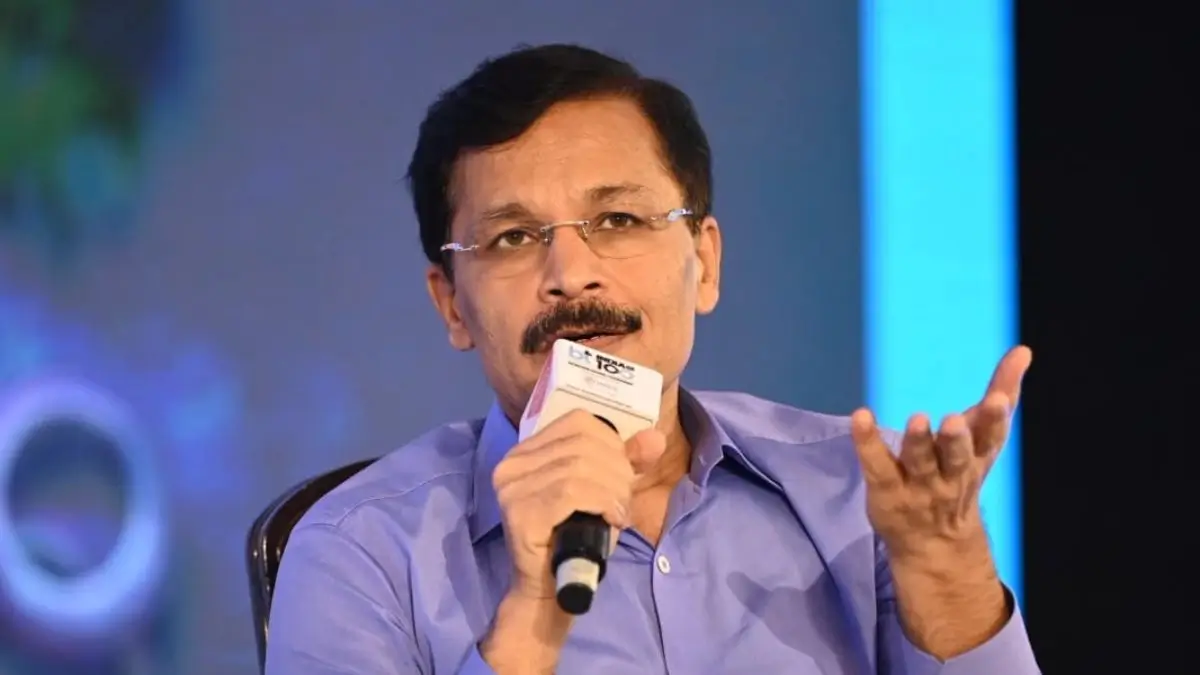
Tukaram Mundhe Appointed Secretary of Committee to Overhaul Maharashtra PSC

The government of Maharashtra constituted a committee on 11 October 2026 to assess and recommend reforms to the Maharashtra Public Service Commission (MPSC), making the state’s Food and Drugs Commissioner, Tukaram Mundhe, the secretary of the said committee. Retired judge Dilip Bhosale is set to head the committee. This step came as a result of the 10-day protest by MPSC candidates at the SM Joshi bridge in Pune, demanding recruitment reforms, quick filling of vacancies, and examination-related reforms. Other demands made by the protestors would be addressed by the government.

Maharashtra Constitutes MPSC Reforms Committee

The committee was announced by the state’s minister Shivendraraje Bhosale following consultations with protesting candidates at the SM Joshi bridge in Pune on 11 October 2026.

Reports have it that the committee would be serving as a two-month inquiry committee to probe the irregularities in MPSC examinations, including paper leakages. Mundhe was appointed as the secretary to the committee as demanded by the aspirants.

Members of the MPSC Inquiry Committee

The five-member committee have the experts in the filed like judicial, administrative, and police expertise. Ex-judge Dilip Bhosale is set to head the committee, whereas Tukaram Mundhe will act as secretary of the committee.

  • Dilip Bhosale: Committee Chairman; ex-judge
  • Tukaram Mundhe: Secretary; Commissioner, Maharashtra Food and Drugs Administration
  • Laxmi Gautam: IPS Officer
  • Ganesh Patil: Ex IAS Officer
  • P. D. Naik: Ex-Judge

It is believed that the committee will look into the issues regarding MPSC exams and the working of the recruitment process. The two-month period is mentioned for the same.

Demands Made by MPSC Aspirants

Protest in Pune focused on issues of lack of transparency in recruitments, examination irregularities and delayed recruitments for government vacancies. Demands listed in the news report provided are,

  • Recruitment of 70,000 vacancies: It is claimed that aspirants were demanding that 70,000 government vacancies be filled in three years.
  • Recruitment for Group C: Aspirants were demanding increase in number of vacancies related to the Group C exam.
  • Withdrawal of case: Protestors were demanding withdrawal of cases filed against some of the representatives of agitation.
  • Inquiry regarding irregularities: It is claimed that there was demand for inquiry into question paper leakages and other examination issues.
  • Issue related to MPSC chairman: Protestors were demanding resignation of MPSC chairman Vivek Bhimnawar.

Decision regarding some of these demands had been communicated by the government. But as far as issue of removal of MPSC chairman was concerned, it was stated as unresolved at first and then resolved when it was reported that the chairman will go on leave.

What is Maharashtra Public Service Commission (MPSC)?

Maharashtra Public Service Commission is the public service commission for the state that recruits qualified individuals through examinations for eligible Maharashtra government services or posts within their jurisdiction.

It serves a function similar to the Union Public Service Commission (UPSC).

Results of MPSC exams and their schedules have an impact on candidates who aspire to join public services in Maharashtra. This is why any claim concerning irregularities in the conduct of the examination is significant.

Provisions Made In The Constitution Regarding Public Service Commission

Provisions relating to Public Service Commissions find a place in Part XIV of the Constitution of India that addresses services of Union and the States.

  • Article 315: It provides the Public Service Commission for the Union and for each State.
  • Article 316: Relates to the appointment and term of office of members of Public Service Commissions.
  • Article 317: Relates to the removal and suspension of members.
  • Article 320: Addresses the function of Public Service Commissions, which includes holding examinations for recruitment to Union and state services.
  • Article 323: Relates to reports of Public Service Commissions.

World Arthritis Day 2026: Date, Theme, History and Key Facts

The World Arthritis Day 2026 observed on Monday, October 12, to mark the impact of the arthritis and other RMDs. It was launched in 1996 by the Arthritis and Rheumatism International (ARI), the yearly observance draws attention to the influence of RMDs on physical movement, function, and quality of life. For 2026, the theme for the event will be ‘Achieve Your Dreams’ as championed by the European Alliance of Associations for Rheumatology (EULAR), focusing on aspirations of those with RMDs and how they can be fulfilled.

Theme of World Arthritis Day 2026

The theme for World Arthritis Day 2026 is ‘Achieve Your Dreams’. This theme has been continued in the current year from the theme which was set out for the period of 2025–2026 by EULAR.

The aim of this campaign is to focus on the personal goals, dreams, and aspirations of those individuals who have rheumatic and musculoskeletal diseases. They may include education, working and contributing to the family life etc.

Moreover, this campaign will emphasize the significance of diagnosis at an early stage, appropriate treatment, awareness, and integration within the society. The basic message of this campaign is that the people suffering from RMDs should get the necessary assistance to achieve their goals in spite of their health problems.

History of World Arthritis Day

World Arthritis Day was created in 1996 through the efforts of Arthritis and Rheumatism International (ARI). The idea behind it was to increase awareness in the general public and among healthcare professionals about arthritis and other forms of rheumatism and musculoskeletal disorders.

World Arthritis Day has evolved into a global awareness campaign, involving patient organizations, healthcare professionals and advocates. This is an occasion to call attention to the difficulties surrounding diagnosis, treatment, disease management and integration into society.

EULAR participates in the campaign by uniting those affected with RMDs, healthcare professionals, researchers and patient organizations. The day raises public awareness of how the healthcare system and society can assist people suffering from such diseases.

What Are Arthritis and Rheumatic and Musculoskeletal Diseases?

Arthritis is a broad term used to describe conditions characterized by inflammation and damage in the joints. Based on the condition’s nature, it may cause pain, stiffness, swelling and difficulty moving.

Rheumatic and musculoskeletal diseases (RMDs), commonly known as rheumatic and musculoskeletal disorders, include a range of conditions that involve joints, bones, muscles and connective tissues. The causes of such diseases include inflammation, autoimmune disorder and degeneration among others.

Some common types of arthritis include,

  • Osteoarthritis: It involves changes and damage of joint tissues and structures and usually affects knee joints, hip joints, finger joints and the spine.
  • Rheumatoid arthritis: An autoimmune and inflammatory chronic condition that involves joint linings, causing pain, swelling and joint damage.
  • Different diseases have different symptoms and development stages. Joint pain, swelling or stiffness needs assessment by a trained health practitioner and should not always be blamed on age.

Why is There a World Arthritis Day?

The World Arthritis Day is intended to increase awareness about the consequences of arthritis and other RMDs for one’s well-being and social life. These diseases might be detrimental to the ability to move around, to work, to study, to take care of one’s family, and to engage in all sorts of daily activities.

There are several key focuses includes the,

  • Awareness: raising awareness about the arthritis and RMDs.
  • Early detection: encouraging early medical consultation regarding symptoms.
  • Proper treatment and rehabilitation: emphasizing their significance.
  • Patients’ experiences and needs: understanding the needs of the patients with arthritis and RMDs.
  • Accessibility of people with chronic musculoskeletal conditions: calling for more accommodation at workplaces, communities and other institutions.

The ‘Achieve Your Dreams’ initiative planned for 2026 puts an accent specifically on the dreams of such people and how they can be fulfilled.

How Is World Arthritis Day Celebrated?

The World Arthritis Day is celebrated through awareness campaigns, education and various activities held by patient organizations, health facilities and advocacy organizations.

This could take the form of awareness walks and campaigns, online seminars, patient interactions, etc., where the experiences of those suffering from RMDs are shared. Health care facilities can use this day to enlighten people about the symptoms, the treatment options available, and why there is need for professional assessment.

Individuals can play their role in this through spreading awareness from reputable health agencies and supporting those suffering from arthritis.

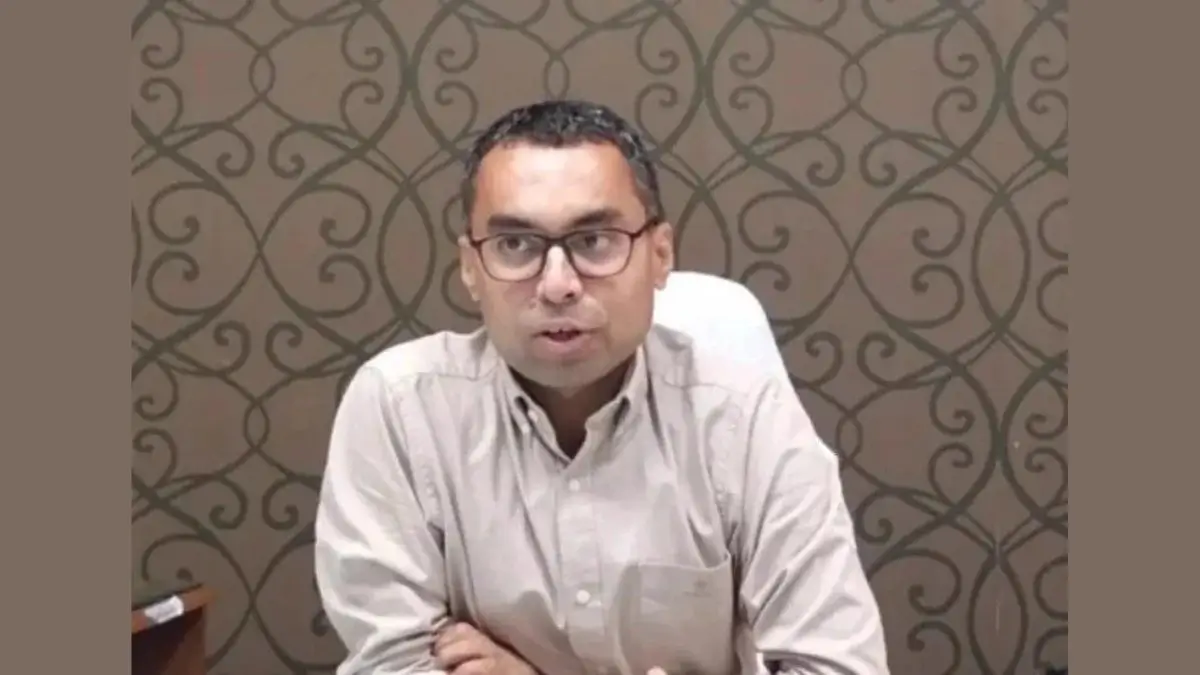
Prakash Rajpurohit Appointed Deputy Election Commissioner: Tenure Until April 2030

Prakash Rajpurohit, a 2010-batch Indian Administrative Service (IAS) officer from Rajasthan cadre has been appointed as Deputy Election Commissioner in the Election Commission of India (ECI). As per an order issued by the Ministry of Personnel on 10th of October, he will serve till April 8th, 2030, in place of Sanjay Kumar. This comes amidst the overall administrative reshuffle, wherein the Appointments Committee of the Cabinet (ACC) cleared 27 civil servants for joint secretary-level posts.

Term of Prakash Rajpurohit

Prakash Rajpurohit is appointed as the Deputy Election Commissioner as the successor of Sanjay Kumar in the same position. Prior to the above-mentioned appointment, Rajpurohit was functioning as Joint Secretary at the Department of Defence Production in the Ministry of Defence. It is reported that his term in the new post will extend until April 8, 2030, as per the Personnel Ministry order.

The appointment relates to filling with the vacant position in the administrative mechanism of the Election Commission of India. The ECI is charged with administering elections to Parliament, State Legislatures, and the offices of the President and Vice-President under the constitutional scheme.

What Is the Election Commission of India?

The Election Commission of India (ECI) is an independent constitutional body formed on January 25, 1950. Its powers and functions are mainly vested in the Commission by virtue of Article 324 of the Constitution of India, where powers of superintendence, direction, and control of electoral rolls and conducting elections have been conferred upon the Commission.

The ECI conducts elections to Lok Sabha, Rajya Sabha, State Legislative Assemblies, and offices of the President and Vice-President.

Important Appointments Made in 2026 Bureaucratic Reorganisation

The Appointments Committee of the Cabinet (ACC) made 27 appointments of civil servants to Joint Secretary-level posts and equivalents. The appointments span across various ministries, departments, and other public sector organisations.

Name New Post
Prakash Rajpurohit Deputy Election Commissioner, ECI
Vivek Khare Joint Secretary, National Testing Agency
Varnali Deka Joint Secretary, National Health Authority
Ashish Madhaorao Additional CEO, National Health Authority
Tamboli Ayyaj Fakirbhai Executive Director, Insurance Regulatory and Development Authority of India
Rajesh Malik Executive Director, Food Corporation of India
Sonia Pant Advisor at joint secretary level, NITI Aayog
Nitin Kumar Additional Secretary at joint secretary level, Central Vigilance Commission
Rajneesh Kumar Tomar CEO, National Highways Logistics Management Ltd
Nishtha Tiwari CEO, Development and Welfare Board for Denotified, Nomadic and Semi-Nomadic Communities

There are some other appointments as well such as that of Ravi Shankar, Chittaranjan Dash, P. Manoj Kumar and Abhishek Bhagotia as joint secretaries in the Ministry of Home Affairs and Mohammed Y. Safirulla K and Ritu Sharma as joint secretaries in the Department of Health and Family Welfare.

Joint Secretary Vivek Khare of NTA

Vivek Khare is an Indian Telecom Service Officer who joined in 1996, has been appointed as Joint Secretary at the National Testing Agency (NTA).

This institution handles several examinations at the national level.

There have been attempts of administrative strengthening of this agency following complaints of poor management of examinations and recommendations of the committee headed by K. Radhakrishnan, Former Chairman of ISRO, in 2024. This committee reviewed the reforms of national examination system which includes NTA.

Navratri 2026: Dates, Nine Forms of Goddess Durga and Religious Significance

Sharad Navratri is one of the important Hindu festivals that takes place over nine days and ends with Vijayadashami/Dussehra. The Sharad Navratri will begin from 11 October in 2026, whereas Vijayadashami will take place on 20 October, as per the above-provided calendar. Sharad Navratri is celebrated in honour of the goddess Durga and her nine avatars, and it symbolizes victory of good over evil.

What is Navratri? Definition and Hindu Calender

The term Navratri is derived from two Sanskrit words, nava which means nine, and ratri which means night. It is celebrated in honor of Goddess Durga, who is worshiped as the incarnation of Shakti which stands for divine feminine energy representing creation, protection and destruction of evil.

The festival of Sharad Navratri is held in the Hindu lunar month of Ashvin which normally falls in the months of September and October according to the Gregorian calender. The date varies every year due to the reason that Hindu festivals are based on the lunar calendar and corresponding tithis or lunar days.

Four Navratris are celebrated every year, they are: Chaitra, Ashadha, Ashwin and Magha Navratri. The Chaitra Navratri is held in spring while Sharad Navratri in autumn.

Navratri 2026: Important Dates

Occasion Date in 2026
Mahalaya 10 October
Sharad Navratri begins; Ghatasthapana 11 October
Maha Ashtami 18 October
Maha Navami 19 October
Vijayadashami or Dussehra 20 October

Note: Festival observances can vary by the different region and local Panchang calculations. The supplied sources differ on some Durga Puja dates, so the dates above follow the Navratri calendar provided in the source.

What Is Ghatasthapana?

The festival of Ghatasthapana heralds the start of Sharad Navratri. As its name suggests, the worship involves setting up of a ghata or kalash (sacred pot), which is considered auspicious and invokes divine powers. The ritual is conducted at designated timings as per the Hindu calendar.

Significance of Mahalaya in Bengal

The festival of Mahalaya is significant in Bengal as it indicates the end of Pitru Paksha (festival related to ancestors) and ushering of Devi Paksha (festival of Goddess).

It is also an occasion for invoking Goddess Durga before Durga Puja.

Nine Forms of Goddess Durga: Navadurga

The nine days of Navratri correspond to the nine manifestations of Goddess Durga which are collectively termed as the Navadurga. Each manifestation has different characteristics.

Navratri Day Date Tithi Goddess Colour of the day
1 11th October, 2026 Pratipada Shailputri Orange
2 12th October, 2026 Dwitiya Brahmacharini White
3 13th October, 2026 Tritiya Chandraghanta Red
4 14th October, 2026 Chaturthi Kushmanda Royal Blue
5 15th October, 2026 Panchami Skandamata Yellow
6 16th October, 2026 Shashthi Katyayani Green
7 17th October, 2026 Saptami Kalaratri Grey
8 18th October, 2026 Ashtami Mahagauri Purple
9 19th October, 2026 Navmi Siddhidatri Peacock Green
10 20th October, 2026 Dsshmi Vijayadashmi —

Why Colors are Associated With Navratri?

It is a practice that has now gained popularity in Navratri celebrations whereby people wear certain colors on different days of the festival. Colours have been linked with auspiciousness, devotion and attributes associated with the Goddess.

It is not a uniform custom among all the Hindus in relation to the order of colors. Certain days are also linked with the specific colors depending on cultural practices within the community observing Navratri.

What Is Navratri Festival About?

The main concept associated with Navratri is triumph of good over evil, which can be described in terms of diverse religious myths.

Goddess Durga and Mahishasura

  • The legend goes that the buffalo-demon Mahishasura was granted an invincible boon. He was then killed by the Goddess Durga, bringing back the balance of the universe. This myth illustrates the victory of divinity over the negative energy.
  • The myth is especially relevant to the occasion of Durga Puja in eastern parts of India, where images of the Goddess killing Mahishasura are the focus of celebrations.

Lord Rama and Ravana

  • Another popular myth associated with the festival is related to the Ramayana, where Lord Rama worshipped the Goddess before the battle with Ravana, whose victory was celebrated on Vijayadashami.
  • That is the reason why one and the same festival season witnesses different local celebrations: worshipping of Durga in eastern regions and celebrating the victory of Lord Rama in many northern and western places.

Navratri as Celebrated in Different Regions of India

The celebration of Navratri shows that even if a common theme exists in a religion, the cultural traditions can be very different.

  • In Gujarat, garba and dandiya raas are integral components of the festival. The former traditionally involves dancing in a circle around the lighted lamp or representation of the Goddess in the form of an idol. Dandiya raas is danced with the help of decorated sticks.
  • In West Bengal, the festival is celebrated by conducting elaborate pandals with artistic representations of the idols and performing various rituals. Bijoya Dashami marks the end of the main festival.
  • In northern India, Ramlila is conducted during the festival which retells various tales from the Ramayana. In addition to that, in some places Dussehra festival is celebrated where the burning of effigies of Ravana, Meghnad and Kumbhakarna takes place.
  • In southern India, various states and communities have their own traditions. For instance, in some parts of Tamil Nadu and Karnataka, the festival is celebrated with the representation of dolls called Golu and Bombe Habba.
    Thus, Navratri is a perfect example of the unity in cultural diversity of India.

Dussehra or Vijayadashami: Importance of the Tenth Day

Vijayadashami or Dussehra symbolizes the end of Sharad Navratri in several rituals. Vijayadashami can be taken to mean the tenth day of victory.

The importance of Vijayadashami varies according to the region. According to the tradition related to Ramayana, it symbolizes the triumph of Rama over Ravana. According to the tradition related to Goddess Durga, it symbolizes the triumph of Durga over Mahishasura.

In some regions, the festival is also connected with Ayudha Puja – worshipping of tools, musical instruments, cars and other equipment used during one’s work.

Weekly Current Affairs One Liners (5th to 11th October, 2026)

Weekly Current Affairs One-Liners

Current Affairs 2026 plays a very important role in competitive examinations and hence, aspirants have to give their undivided attention to it while preparing for the government examinations. The banking, SSC, Railways or insurance examinations comprise a section of “General Awareness” to evaluate how much the aspirant is aware of the daily happenings taking place around the world. To complement your preparation, we are providing you with a compilation of the current affairs of the last week.

The Weekly One-Liners provides all-important news from 5th to 11th October, 2026. Here is the list of some of the most important news of the last week:

  • Nobel Prize 2026 Winners
  • RBI MPC October 2026
  • PM Modi Completes 25 Years

The inclusion of current affairs in these examinations highlights the importance of being well-informed about both national and international events. It tests the aspirants’ understanding of their environment and their ability to interpret and analyze global trends. These topics often cover a wide range of subjects, from political developments and economic changes to scientific advancements and cultural shifts.

Our weekly compilation aims to provide a concise yet thorough overview of significant events, enabling aspirants to efficiently grasp key details necessary for their exam preparation. By integrating current affairs into their study regimen, candidates can significantly enhance their General Awareness, a critical factor in achieving success in competitive exams. This approach not only prepares them for the specific requirements of the exam but also broadens their overall perspective, an essential attribute in today’s interconnected world.

To revise the current affairs of 5th to 11th October, 2026 click on the link below to download the PDF.

Download The Weekly One Liners 5th to 11th October, 2026

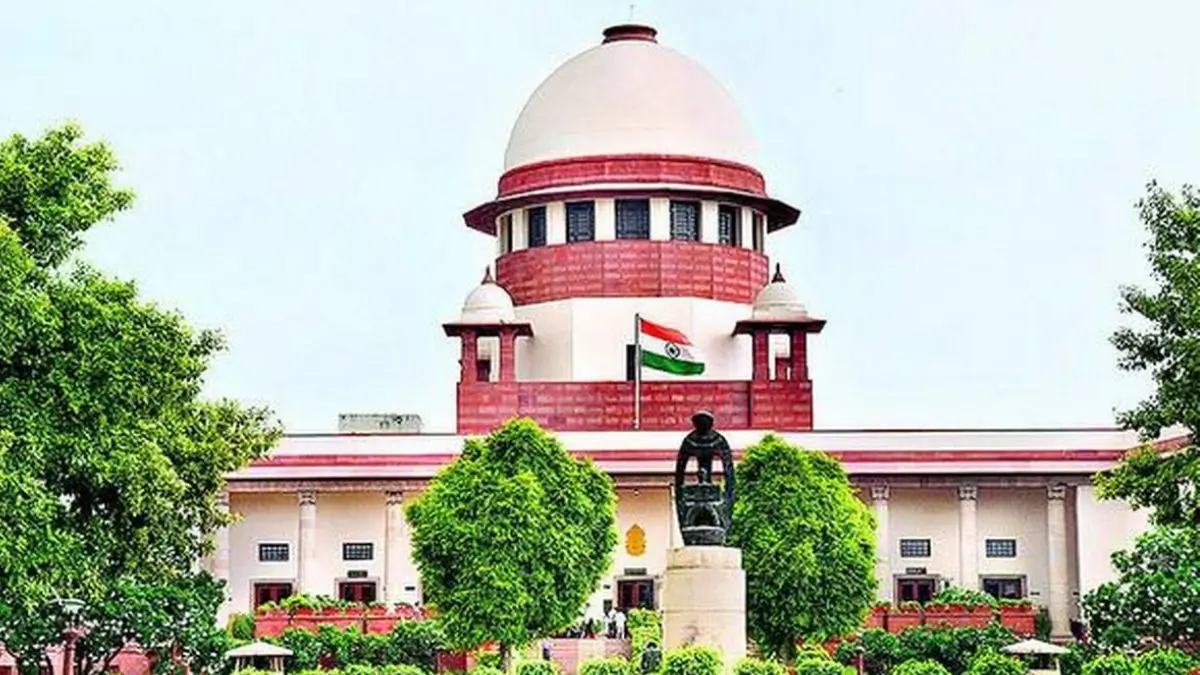
Supreme Court Constitutes Standing Committee on Judicial Well-Being

A standing committee for judicial well-being has been formed by the Supreme Court of India to create an institutional mechanism for dealing with the problems that judicial officers face professionally and personally. The Supreme Court of India’s Chief Justice, Surya Kant, has formed this committee, and it will be headed by Supreme Court judge Justice K V Viswanathan. The formation of the committee comes amid World Mental Health Day.

Whom Will Chair the Judicial Well-Being Committee?

The chairman of the standing committee would be Justice K V Viswanathan of the Supreme Court. The committee comprises a blend of the expertise in the areas of the judiciary, psychiatry, psychology, and legal administration.

The committee comprises of the following persons,

  • Justice K V Viswanathan: Supreme Court judge and chairperson.
  • Dr Savita Malhotra: Ex-dean at the Postgraduate Institute of Medical Education and Research (PGIMER), Chandigarh and a professor of the institute’s Department of Psychiatry.
  • Rajat Mitra: Psychologist, Director, and co-founder of Swanchetan Society for Mental Health.
  • Mrinal Kanwar: Advocate-on-Record at the Supreme Court.
  • Aarti Singh: Registrar (J), Centre for Research and Planning of the Supreme Court.

This diversified makeup of the committee has been done with the intention to adopt a structured way towards judicial well-being.

Why Has the Supreme Court Established the Committee?

Judicial Officers operate in challenging professional settings where they have to deal with high levels of workload, long working hours, difficult decision-making processes, administrative pressure, and emotionally draining cases. Such working conditions may have an impact on the physical and mental well-being of these professionals, as well as their capability to cope with tough jobs.

It is clear that the Supreme Court perceives judicial well-being not only as a matter of personal concern, but also as an institutional issue.

Important Duties of the Committee

The committee will remain a standing forum to discuss the challenges pertaining to judicial well-being that arise or may arise. These duties include,

  • To identify areas where there is a need for institutional intervention.
  • To facilitate coordination between different stakeholders on welfare issues.
  • To develop guidelines for the benefit of judicial officers.
  • To review the activities done to improve judicial well-being from time to time.
  • To establish a continuous process instead of being limited to mere welfare initiatives.

It can be said that the committee needs to coordinate the process in general terms.

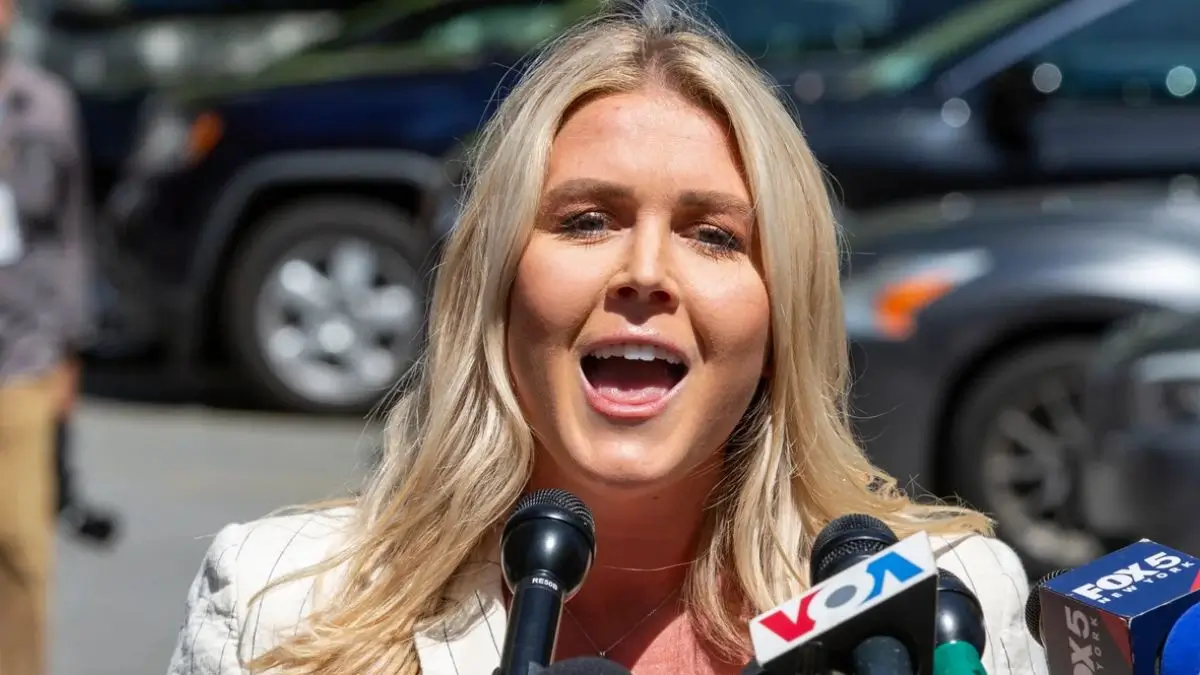
Who Is Katie Zacharia? Trump Names New White House Press Secretary

Donald Trump, United States President selected the Katie Zacharia to become the new White House press secretary on October 9th 2026, replacing Karoline Leavitt, who had vacated the position in August. Katie Zacharia is an attorney and a political conservative commentator. She has worked in various capacities for different organizations, including the US Department of Homeland Security (DHS) and Trump Media & Technology Group, which owns the social media platform, Truth Social.

Education and Early Career of Katie Zacharia

Zacharia pursued education in political science and government from Pepperdine University, graduating in 2007, and then obtained her degree in Juris Doctor from the Pepperdine Caruso School of Law in 2011.

Her early career in politics involved serving an internship in the White House under the Presidency of the George W. Bush in the year 2006. Thereafter, she gained experience in legal matters, political advocacy, and communication.

She thus has a professional background in which there is a combination of legal knowledge and involvement in political and media affairs.

Career at the Department of Homeland Security

In 2026, Zacharia was the spokesperson and deputy assistant secretary for public affairs at the Department of Homeland Security. Among others, the department’s jurisdictions include border security, immigration, cybersecurity, and national security.

She worked on public communication during the term of the former DHS Secretary Kristi Noem. Zacharia worked in this capacity for a brief period of time and left the department to return to media work.

This provided her with firsthand experience in the communication process of the federal government and the challenge of communicating administration policies to the media.

Role in Trump Media and Other Conservative News Networks

Prior to her selection by the White House, Zacharia has worked as a senior communications adviser with Trump Media & Technology Group, the company behind the social media site called Truth Social that is owned by Donald Trump.

Zacharia has also served as a political analyst on various conservative TV news networks, such as Fox News and Newsmax. She has made appearances in these media outlets for commenting on US political affairs and the policies of the Trump administration.

Zacharia has also worked with Fix California, a conservative political organization. Her role with Fix California has involved legal and advisory work.

White House Press Secretary Functions

The White House press secretary is an important public representative of the US president and administration. It implies expressing the official viewpoint, making the policy announcements and answering to journalists’ inquiries.

The press secretary holds the press conferences, comments on developments that concern the administration and acts as a constant liaison between the White House and the journalists.

The post belongs to the White House communication department. While performing the functions of the press secretary one presents the viewpoint of the administration; however, journalists can ask questions concerning the official statements.

_12.1
October 2026
M T W T F S S
 1234
567891011
12131415161718
19202122232425
262728293031