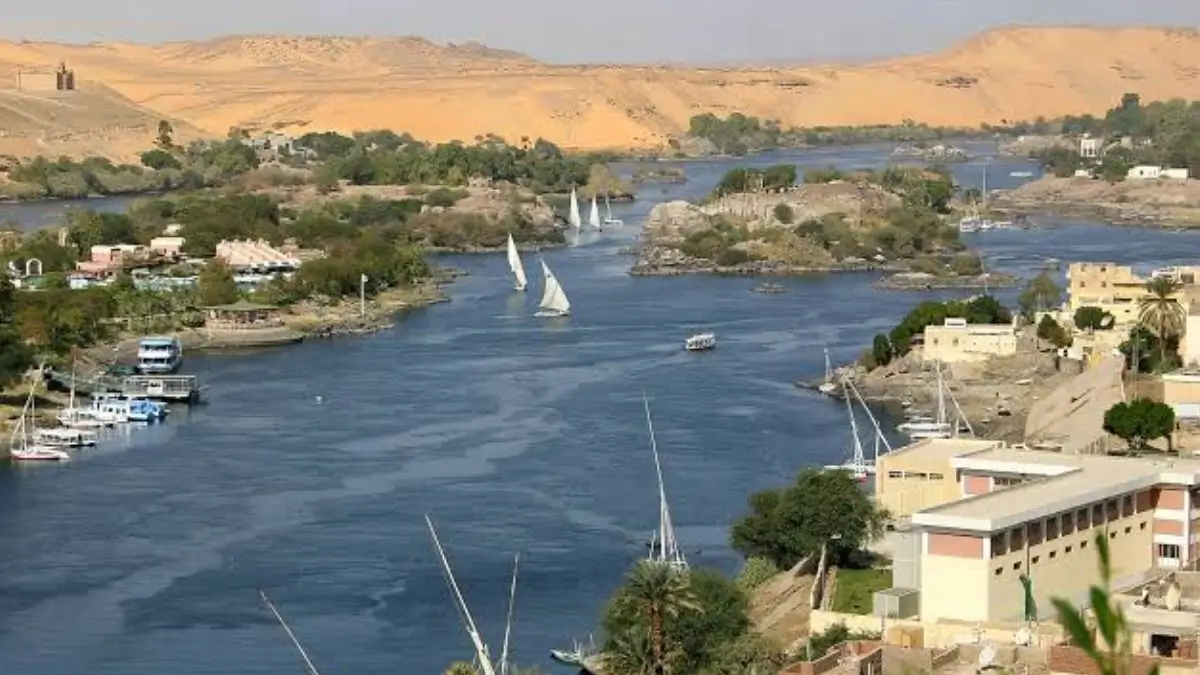
The Nile is famously known as the lifeline of the Sahara Desert due to its reliable supply of fresh water in one of the world’s driest areas. The Nile River flows from south to north through northeastern Africa, sustaining agriculture, transport, economic activity, among others in Egypt and Sudan. The Nile’s significance is well seen in Egypt, where the valley and delta of the Nile forms a narrow fertile area amidst extensive desert environment. As far as preparation for the General Studies is concerned, the Nile River is a very important topic in world geography.
Which River Is Known as the Lifeline of the Sahara Desert?
Nile River is known as the lifeline of the Sahara Desert. This is one of the most significant rivers in Africa that flows from south to north and empties in the Mediterranean Sea.
Freshwater supply is provided by this river in an area which does not receive sufficient rainfall. Human settlements and agricultural activities have therefore traditionally taken place near this river.
Why is the Nile Called the Lifeline?
The name is given to the Nile River because of its ability to make living and agriculture possible within the area despite it being extremely dry.
Significance of the Nile River include,
- Water source: River is the primary source of water for humans and communities.
- Agriculture: Irrigation of the land using the waters from Nile makes it possible for growing crops.
- Human settlements: There are many human settlements situated next to the river because of access to water and rich soils.
- Economic activities: Agriculture, fishing, transportation and tourism are among economic activities linked with the Nile River.
- Historical significance: Ancient civilization of Egyptians was formed around Nile River.
Where Does the Nile River Flow?
The Nile River flows through northeastern Africa into the Mediterranean Sea. It has two main branches – White Nile and Blue Nile. These branches join each other at Khartoum in Sudan and then flow north towards Egypt.
| Feature | Details |
| River | Nile |
| Continent | Africa |
| Major desert region | Sahara |
| Important countries | Sudan and Egypt |
| Major city | Cairo |
| Direction of flow | Generally northward |
| Mouth | Mediterranean Sea |
| Major tributaries | White Nile and Blue Nile |
The Nile River and Egypt
The link between the Nile and Egypt is especially important. The majority of the people of Egypt live in the Nile Valley and Delta regions, while most of the rest of the country is covered by desert.
Thus, the Nile forms a fairly fertile and populated route in an otherwise very dry environment. Cairo, the capital of Egypt, also lies in the Nile region.
Nile River and Sahara Desert: Geographical Importance
Sahara is the largest hot desert in the world, located over a vast expanse in North Africa. The very dry climate prevents farming and settlement in many parts.
The Nile offers a striking geographical contrast with this region: a huge freshwater river passing through a very dry landscape. It is for this reason that the river has been able to shape the entire northeastern African population and agriculture history.








 Sukanya Samriddhi Yojana 2026: Eligibili...
 8 Places in India Where You Can Find the...
 Which Major Indian River Flows Toward We...