
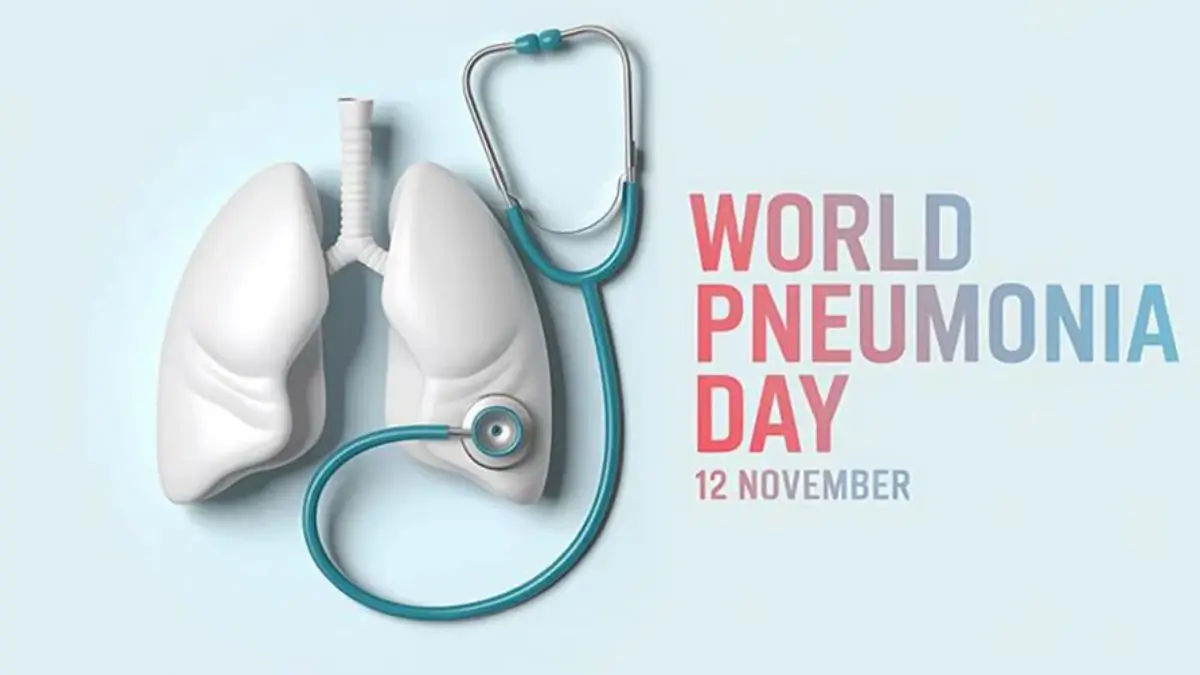
World Pneumonia Day takes place every year on 12th November. In 2026 it will take place on Thursday 12th November and it will have the theme ‘A New Era of Pneumonia Control’. It aims to raise awareness of the importance of preventing pneumonia, identifying it early and receiving effective treatment.
Pneumonia is a leading cause of death globally and can be prevented and treated. In 2023 it is estimated that around 2.5 million people died from pneumonia worldwide. Around 610,000 children under the age of five also died.
World Pneumonia Day 2026: Key Facts
- Detail: World Pneumonia Day
- Date: 12th November
- Day in 2026: Thursday
- Established: 2009
- Initiative: Stop Pneumonia Initiative
- Theme: A New Era of Pneumonia Control
- Purpose: To raise awareness, prevent, identify and treat pneumonia.
- Target Group: Children under five and older adults.
- Global deaths: 2.5 million
- Children under five deaths: 610,000
World Pneumonia Day History & Why It’s Important
World Pneumonia Day was first celebrated in 2009 to raise awareness of pneumonia, which is often referred to as ‘the forgotten killer of children’.
It was established by the Stop Pneumonia Initiative. This initiative brings together healthcare professionals, researchers, advocates and organisations to encourage action towards reducing deaths caused by pneumonia.
Since then World Pneumonia Day has been celebrated every year on 12 th November to,
- Raise awareness of pneumonia and how it affects your health.
- Encourage vaccination and preventative measures.
- Identify it early and provide treatment.
- Ensure people can receive healthcare, especially those who are vulnerable.
- Increase global efforts to reduce
- deaths.
World Pneumonia Day 2026 Theme
Theme: A New Era of Pneumonia Control
This theme looks at the progress made in preventing, identifying and treating pneumonia. It emphasises the importance of ensuring this progress reaches those most at risk.
The main focus of this theme is to,
- Increase vaccine availability and preventative healthcare.
- Early identification and access to correct treatment.
- Reduce malnutrition, indoor and outdoor air pollution and tobacco exposure.
- Improve healthcare systems and healthcare professional training.
- Ensure diagnostic tools and treatment are available in low and middle income countries.
What is Pneumonia?
Pneumonia is an infection that causes inflammation in the air sacs (alveoli) in your lungs. The air sacs can get filled with fluid or pus, making it harder for oxygen to get into your blood.
There are several causes of pneumonia. These causes can include,
- Bacteria – One of the main causes of bacterial pneumonia is Streptococcus pneumoniae.
- Viruses – Pneumonia can be caused by respiratory syncytial virus (RSV), influenza and other respiratory viruses.
- Fungi – Pneumonia can be caused by some fungal infections. Those with weaker immune systems are more at risk.
- Pneumonia can range from a mild infection to a life threatening illness. Severe cases can result in respiratory failure, sepsis and other complications.
Common Symptoms of Pneumonia
Symptoms can come on quickly or slowly. Some common symptoms to look out for are,
- A persistent cough – sometimes with phlegm.
- Fever and chills.
- Fast or difficult breathing.
- Chest pain – especially when breathing or coughing.
- Tiredness and weakness.
- Blue lips or fingertips – this can indicate you are not getting enough oxygen.
- Confusion – especially in older adults.
If you are struggling to breathe, have blue lips, are excessively sleepy or confused it is important to seek medical attention. Pneumonia cannot be diagnosed based on symptoms. You will need to see a qualified healthcare professional.
Treating Pneumonia
Pneumonia can be treated. What treatment you receive will depend on the cause, severity and your overall health.
Treatment & Purpose
- Antibiotics: To treat bacterial infection.
- Antivirals: For certain viral infections.
- Antifungals: To treat fungal infections.
- Oxygen: To help keep oxygen levels at the right level.
- Supportive care: Hydration, eating well and resting.
- For severe cases so they can be monitored and given advanced treatment.
Antibiotics will not work for viral infections. Medication should only be prescribed by qualified healthcare professionals. Do not self medicate or use any leftover antibiotics.
How To Prevent Pneumonia
Preventing pneumonia involves vaccination, good hygiene, eating well and having clean air and healthcare.
Vaccination: Vaccination can help to protect against several infections that can cause pneumonia or severe respiratory problems. Important vaccinations include,
- Pneumococcal Conjugate Vaccine (PCV).
- Haemophilus influenzae type b (Hib).
- Flu.
- Measles.
Good Hygiene: Washing your hands regularly, covering your mouth and nose when coughing/sneezing and keeping away from those who are infected can help.
Eating Well: Eating well and breastfeeding as a baby will help build up your immunity and protect against infections.
Reduce Air Pollution: Improving ventilation in your home, using cleaner cooking fuel and limiting tobacco smoke and outdoor air pollution can help.
Early diagnosis & treatment: Identifying symptoms early and seeking medical assistance can help to prevent complications.





 Public Service Broadcasting Day 2026: Hi...
 National Education Day 2026: Date, Histo...
 Gujarati New Year 2026: Bestu Varas Date...