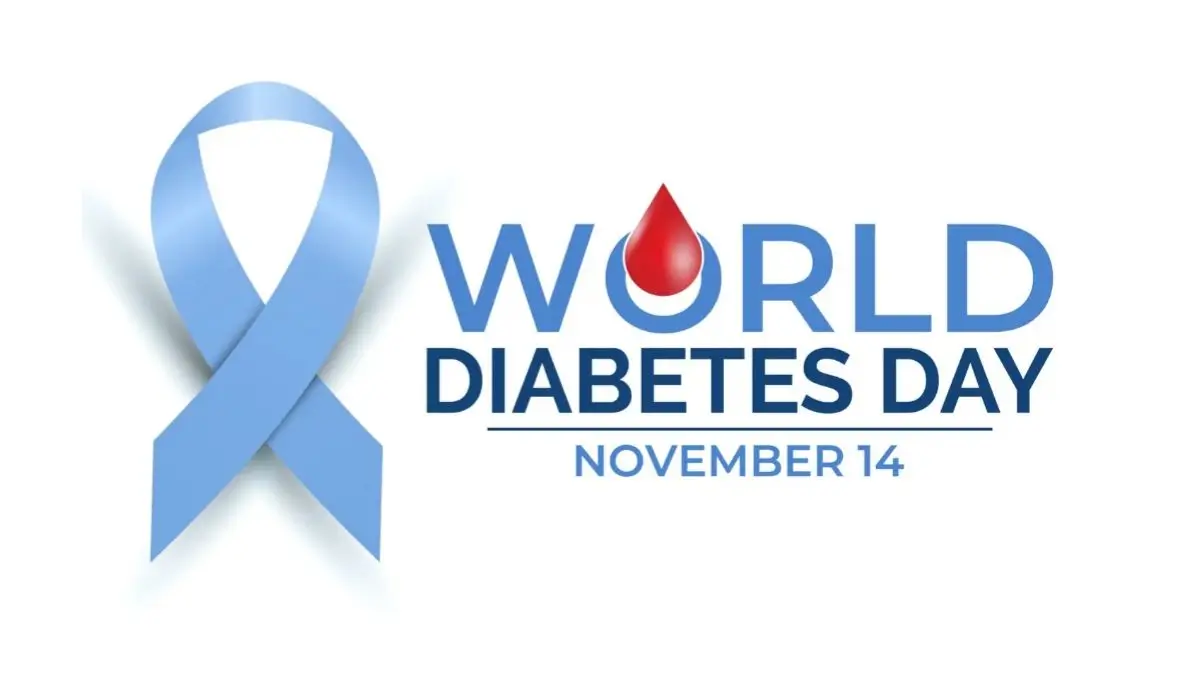
World Diabetes Day 2026 aims to raise awareness for diabetes and ensure people can receive early diagnosis and quality care. The theme of World Diabetes Day 2026-27 is ‘Early action on diabetes’. This aims to ensure people can receive early diagnosis for diabetes, reduce the risk of type 2 diabetes and reduce stigma around living with diabetes. Over 40% of people with diabetes globally are undiagnosed (World Health Organization). The campaign encourages everyone to take action and make changes.
World Diabetes Day 2026
Theme: Early action on diabetes
Focus areas,
- Early diagnosis, reduce risk, quality care and reduce stigma.
- The International Diabetes Federation created the theme of ‘Early action on diabetes’ in 2026-27. This focuses on closing the diagnosis gap on November 14th 2026.
6 key focus points include,
- Know the signs. Be aware of common symptoms and seek medical advice.
- Know the signs of type 1 diabetes. It can occur at any age and may be overlooked or misdiagnosed in adults.
- Ensure diagnosis. Ensure people can easily access timely and affordable tests and healthcare.
- Healthier environments. Ensure better access to healthy foods, physical activity and quality healthcare.
- Continuous care. Ensure people can receive continuous care and treatment.
- Reduce stigma. Change blame and discrimination to understanding and support.
Why is World Diabetes Day on November 14th?
World Diabetes Day is celebrated on November 14th as this was the birthday of Sir Frederick Banting. He and Charles Best discovered insulin in 1921, which became a lifesaving treatment for those with diabetes.
The date was created in 1991 by the International Diabetes Federation with support from the World Health Organisation. This was due to increasing concerns regarding diabetes and its impact on health and economy.
In 2006 the United Nations General Assembly passed a resolution (A/RES/61/225) making November 14th an official United Nations Day. The resolution encouraged countries to raise awareness around diabetes, complications, prevention and care.
What is Diabetes?
Diabetes is a chronic metabolic condition which causes blood glucose (blood sugar) levels to increase abnormally. This occurs if there is not enough insulin being produced by the pancreas or insulin isn’t being used effectively in the body.
Insulin is a hormone which helps glucose enter cells in the body from the blood. If blood glucose levels are consistently high this can cause damage to blood vessels and affect organs such as the heart, kidneys and eyes. It can also cause damage to nerves.
The main types of diabetes are,
Type and It’s Description
- Type 1 diabetes: Little/no insulin produced by the pancreas. Can occur at any age. Requires insulin treatment.
- Type 2 diabetes: Body cannot use insulin effectively or doesn’t produce enough. Usually occurs slowly.
- Gestational diabetes: High blood glucose during pregnancy. Can cause increased health risks to mother and baby.
Type 1 and type 2 diabetes have different causes and require different treatment. Type 2 diabetes is associated with factors such as obesity, lack of physical activity and genetic predisposition.
Common symptoms of diabetes
Being aware of symptoms can help people get medical attention and diagnosis sooner. Common symptoms include,
- Thirst
- Urinating frequently
- Weight loss
- Fatigue
- Blurred vision
- Wounds taking longer to heal
- Frequent infections
Type 1 diabetes usually occurs quickly whereas type 2 diabetes can occur slowly. Type 2 diabetes can cause few/mild symptoms. Type 1 diabetes can also occur in adults.
Over 40% of People with Diabetes are Undiagnosed.
This is a huge issue for public health globally. Those who are undiagnosed may not receive treatment, monitoring and preventative measures.
According to estimates from the International Diabetes Federation in 2025,
- There are 589 million adults living with diabetes globally.
- Around 4 out of 10 people with diabetes are undiagnosed.
- 635 million adults are at high risk of developing type 2 diabetes.
If people can receive early diagnosis and the correct care, this can help prevent/ slow complications, such as cardiovascular problems, kidney damage, eye damage and nerve damage.
WHO Global Diabetes Coverage Targets 2030
In May 2022 the 75th World Health Assembly agreed to 5 global diabetes coverage targets to help improve diagnosis, treatment and long term care by 2030.
Some of the Target by 2030
- 80% of people diagnosed will have good glycaemic control.
- 80% of people diagnosed will have good blood pressure control.
- 60% of people aged 40+ with diabetes will be on statins.
- 100% of people with type 1 diabetes will have access to affordable insulin and self-monitoring of blood glucose.
These targets are part of the WHO Global Diabetes Compact which was launched in 2021 to improve diabetes prevention, diagnosis and treatment globally.
What needs to Be Done to Address Diabetes?
The 2026 campaign encourages collaboration between various stakeholders.
Stakeholder and Action
- General Public: Be aware of symptoms and encourage early diagnosis.
- People living with diabetes: Share experiences to reduce stigma.
- Healthcare workers: Encourage timely testing, diagnosis, referral and continuous care.
- Governments: Invest in affordable medication, diagnosis facilities and diabetes services.
- Civil Society Organisations: Provide accurate information and help link to healthcare services.
The campaign also highlights the need for healthier foods, physical activity and affordable healthcare.
International Diabetes Federation
The International Diabetes Federation is an international umbrella group which represents the global diabetes community. They work alongside national diabetes associations, healthcare professionals and others to increase awareness, prevention, care and access to treatment.
They publish a Diabetes Atlas called the IDF Diabetes Atlas.
World Diabetes Day was set up in 1991 by the IDF and WHO.





 Children’s Day 2026: November 14 Date,...
 World Pneumonia Day 2026: Date, Theme, H...
 Public Service Broadcasting Day 2026: Hi...