Duleep Trophy Winners: Complete List from 1961 to 2026

One of the major domestic first-class cricket competitions in India is the Duleep Trophy. This cricket tournament was set up by the Board of Control for Cricket in India (BCCI) in the 1961–62 season. Named after one of the first Indian cricketers named Kumar Shri Duleepsinhji of Nawanagar, the competition consists of teams from India’s zones, namely North, South, East, West and Central. In subsequent decades, the competition format changed, with the inclusion of India Red, India Blue and India Green as other teams. It has remained an important forum for domestic cricketers and also a good topic for competitive-exam and sports-current affairs preparation.

What Is the Duleep Trophy?

Duleep Trophy is a first-class cricket tournament held in India under the organisation of BCCI. It was held for the first time in the 1961–62 season when West Zone won the trophy against South Zone by 10 wickets in the finals.

Over several decades, this competition has adopted various formats. While following zonal teams at the beginning, BCCI also included India Red, India Blue and India Green as other teams.

West Zone has been the most successful team in the competition with 19 trophies according to the provided source.

Duleep Trophy Winners List

Season Winner Runner-up
1961–62 West Zone South Zone
1962–63 West Zone South Zone
1963–64 West Zone & South Zone (shared)
1964–65 West Zone Central Zone
1965–66 South Zone Central Zone
1966–67 South Zone West Zone
1967–68 South Zone West Zone
1968–69 West Zone South Zone
1969–70 West Zone North Zone
1970–71 South Zone East Zone
1971–72 Central Zone West Zone
1972–73 West Zone Central Zone
1973–74 North Zone Central Zone
1974–75 South Zone West Zone
1975–76 South Zone North Zone
1976–77 West Zone North Zone
1977–78 West Zone North Zone
1978–79 North Zone West Zone
1979–80 North Zone West Zone
1980–81 West Zone East Zone
1981–82 West Zone East Zone
1982–83 North Zone South Zone
1983–84 North Zone West Zone
1984–85 South Zone North Zone
1985–86 West Zone South Zone
1986–87 South Zone West Zone
1987–88 North Zone West Zone
1988–89 North Zone & West Zone (shared)
1989–90 South Zone Central Zone
1990–91 North Zone West Zone
1991–92 North Zone West Zone
1992–93 North Zone Central Zone
1993–94 North Zone
1994–95 North Zone
1995–96 South Zone
1996–97 Central Zone South Zone
1997–98 Central Zone & North Zone (shared)
1998–99 Central Zone West Zone
1999–2000 North Zone West Zone
2000–01 North Zone
2001–02 West Zone
2002–03 Elite C Plate Group B
2003–04 North Zone East Zone
2004–05 Central Zone North Zone
2005–06 West Zone East Zone
2006–07 North Zone Sri Lanka A
2007–08 North Zone West Zone
2008–09 West Zone South Zone
2009–10 West Zone South Zone
2010–11 South Zone North Zone
2011–12 East Zone Central Zone
2012–13 East Zone Central Zone
2013–14 North Zone & South Zone (shared)
2014–15 Central Zone South Zone
2016–17 India Blue India Red
2017–18 India Red India Blue
2018–19 India Blue India Red
2019–20 India Red India Green
2022–23 West Zone South Zone
2023 South Zone West Zone
2024–25 India A India C
2025–26 Central Zone South Zone

Note: The list of sources lacks the tournaments of the years 2015-16, 2020-21 and 2021-22 because of gaps in the schedule of the tournament. Also, the source provided states that the 2024-25 season of the Duleep Trophy will be settled according to the league table rather than through a usual final.

Who Is the Most Successful Team in the Duleep Trophy?

West Zone is the most successful team in the history of the Duleep Trophy, having won 19 trophies according to the source provided.

West Zone managed to win the Duleep Trophy in various stages of its existence and was especially successful when playing in zones. North Zone and South Zone were other traditionally strong teams.

How Did the Format of the Duleep Trophy Change?

There were some modifications introduced to the tournament during its existence.

At first, the tournament was based on zones in India:

  • North Zone
  • South Zone
  • East Zone
  • West Zone
  • Central Zone

Further, the North-East Zone was added to the zone system. Later, BCCI tried organizing teams such as India Red, India Blue and India Green.

Recently, the tournament changed back to zones.

Zonal Teams of Duleep Trophy

  • North Zone: Chandigarh, Delhi, Haryana, Himachal Pradesh, Jammu & Kashmir, Punjab, Services
  • South Zone: Andhra Pradesh, Goa, Hyderabad, Karnataka, Kerala, Tamil Nadu
  • Central Zone: Chhattisgarh, Madhya Pradesh, Railways, Rajasthan, Uttarakhand, Uttar Pradesh, Vidarbha
  • East Zone: Assam, Bihar, Bengal, Jharkhand, Odisha, Tripura
  • North-East Zone: Arunachal Pradesh, Manipur, Meghalaya, Mizoram, Nagaland
  • West Zone: Baroda, Gujarat, Maharashtra, Mumbai, Saurashtra
Delhi-Bihar Bullet Train: Route, Speed, Stations and Travel Time

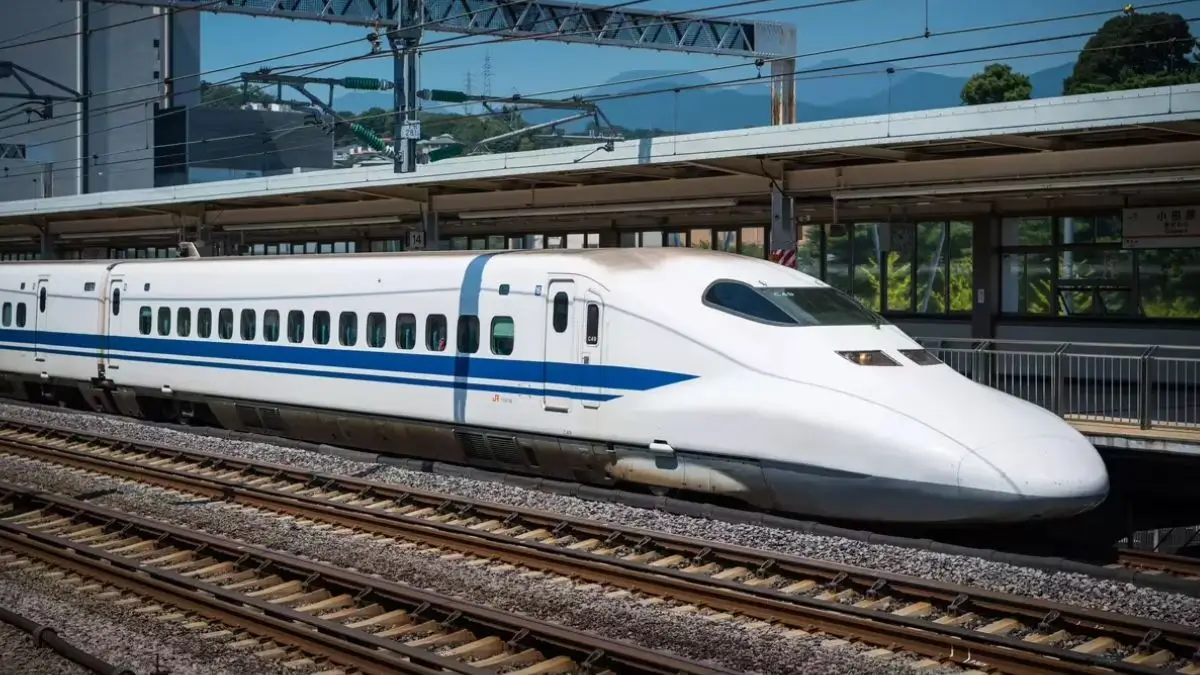
India is set to expand apart from the Mumbai-Ahmedabad rail corridor and developing plans for other high-speed rail networks including the proposed Delhi-Patna bullet train corridor that will revolutionize the connectivity in northern India. The proposed high-speed rail corridor will run from Delhi to Patna and will reduce travel time from 12–15 hours via express trains to just 4.5 hours via the high-speed train network connecting New Delhi to Patna. Some of the cities that the rail network will serve include Agra, Kanpur, Lucknow, Prayagraj and Varanasi.

Delhi-Patna Bullet Train: Key Highlights

  • Proposed Corridor: Delhi–Uttar Pradesh–Bihar High-Speed Rail Corridor
  • Approx. Distance: 1,170 km
  • Proposed Delhi–Patna Travel Time: 4.5 hours
  • Design Speed: 350 km/h
  • Operational Speed: 320 km/h
  • States Covered: Delhi, Uttar Pradesh, Bihar
  • Executing Agency: National High Speed Rail Corporation Limited (NHSRCL)
  • Major Proposed Stations: Delhi, Agra, Kanpur, Lucknow, Prayagraj, Varanasi, Patna

Proposed Route for Delhi-Bihar Bullet Train Project

The project includes a high-speed rail route which starts from New Delhi and passes through several important cities of the state of Uttar Pradesh before terminating at Patna of Bihar.

The proposed route includes the following path:

New Delhi → Agra → Kanpur → Lucknow → Prayagraj → Varanasi → Patna

The importance of each city is as follows,

  • New Delhi: The capital of the country and the proposed starting point of the route.
  • Agra: An important international tourist spot and home to the Taj Mahal.
  • Kanpur: An important industrial and commercial center of Uttar Pradesh.
  • Lucknow: The capital of Uttar Pradesh.
  • Prayagraj: An important cultural and religious center.
  • Varanasi: One of the most important spiritual centers of India.
  • Patna: The capital of Bihar.

How Much Time Will the Delhi-Patna Bullet Train Save?

One of the major attractions of the proposed project is the sharp reduction in travel time. The Delhi-Patna journey of around 1,170 km is expected to take approximately 4 hours 30 minutes by high-speed rail.

Route Approx. Distance Proposed High-Speed Rail Time
Delhi–Agra 200 km 58 minutes
Delhi–Kanpur 455 km 1 hour 45 minutes
Delhi–Lucknow 495 km 2 hours 12 minutes
Delhi–Prayagraj 750 km 3 hours
Delhi–Varanasi 945 km 3 hours 33 minutes
Delhi–Patna 1,170 km 4 hours 30 minutes

This proposed operational speed of around 320 km/h will make the corridor significantly faster than conventional railway services.

Why Is the Delhi-Bihar Bullet Train Significant?

1. Faster Commutation

The proposed corridor will significantly cut down travel time between major cities in northern India. A faster inter-city transportation link for Delhi, Uttar Pradesh and Bihar will make it easier to travel long distances within a single day.

2. Lighter Load on Existing Railway Network

There is heavy traffic in Delhi-Uttar Pradesh-Bihar railway network. The number of passengers increases drastically during festivals like Diwali and Chhath Puja. A separate fast track may relieve some burden from the current railway network.

3. Increased Tourism

This corridor links major pilgrimage sites like Agra, Prayagraj and Varanasi. This increased connectivity can encourage tourists from within and outside the country to visit multiple sites in a single trip.

4. Economic and Employment Opportunities

Connectivity improvement will help to foster economic activity and labor mobility. The cities situated along the corridor will be able to enjoy the benefits of investment and development of transport infrastructure related to the high-speed rail.

5. Improvement of Transport Infrastructure in India

High-speed rail is one element of the overall strategy of the Indian government aimed at creation of advanced transport infrastructure. The construction of such rail system will extend the network of the high-speed rail in the Indo-Gangetic region.

What Is NHSRCL?

National High Speed Rail Corporation Limited (NHSRCL) is the entity responsible for executing the high-speed rail projects in India. NHSRCL has been established for the development and implementation of the high-speed rail corridors in India.

National Film Awards 2026 to Be Held in Gujarat

The ceremony of 72nd National Film Awards will take place in Ekta Nagar in Narmada district of Gujarat state on September 22, 2026, thus marking a huge change from the history of this event which is closely associated with New Delhi. This award ceremony will take place close to the Statue of Unity, where the President of India Droupadi Murmu will be presenting the awards. The change has drawn the attention of people since the National Film Awards always used to take place in the capital city of the country.

72nd National Film Awards Ceremony in Gujarat

The event has been planned to take place at a makeshift venue near the Statue of Unity. The administration of the Narmada district is preparing a special structure, which includes a German aluminum dome structure.

About 1,000 people, including winners of awards, dignitaries and officials, are estimated to attend the event. The event is expected to last for about 75 minutes. In addition to that, arrangements are being made for the security and movements of the dignitaries.

It is not known officially by the union government as to why the ceremony has been shifted from Delhi to Gujarat. There are no indications as to whether the ceremony will continue to take place outside Delhi in future editions.

Have the National Film Awards Ceremony Ever Taken Place Outside of Delhi?

While the National Film Awards Ceremony has always taken place in Delhi, Gujarat is not the first venue other than the capital where the ceremony has been held.

The 17th National Film Awards took place at the University Centenary Auditorium in Madras, which is now known as Chennai, on November 21, 1970. The 2026 ceremony is thus an anomaly in the long history of the award taking place in New Delhi.

The unique nature of the venue is also highlighted by the fact that one of this year’s selected films talks about the monument itself. Director Aanand L Rai bagged Best Direction for non-feature for his film Statue of Unity–Ekta ka Prateek.

National Film Award Winners 2026

Winners of the 72nd National Film Awards have been selected on the basis of films released during the year 2024. The Union Ministry of Information and Broadcasting had announced the winners of the awards in July.

Some of the major winners includes

  • Best Feature Film: Article 370
  • Best Actress: Yami Gautam for Article 370
  • Best Actor: Mammootty for Bramayugam and Kartik Aaryan for Chandu Champion
  • Best Non-Feature Film: Bhangaar
  • Best Documentary: Ram-Nami
  • Best New Director: Randeep Hooda for Swatantrya Veer Savarkar

Other films like Kalki 2898 AD, Amaran, Pushpa: The Rule Part-02 and Stree 2 have also won in different categories.

UN Equal Earth Map: 5 Continents That Look Bigger Than You Think

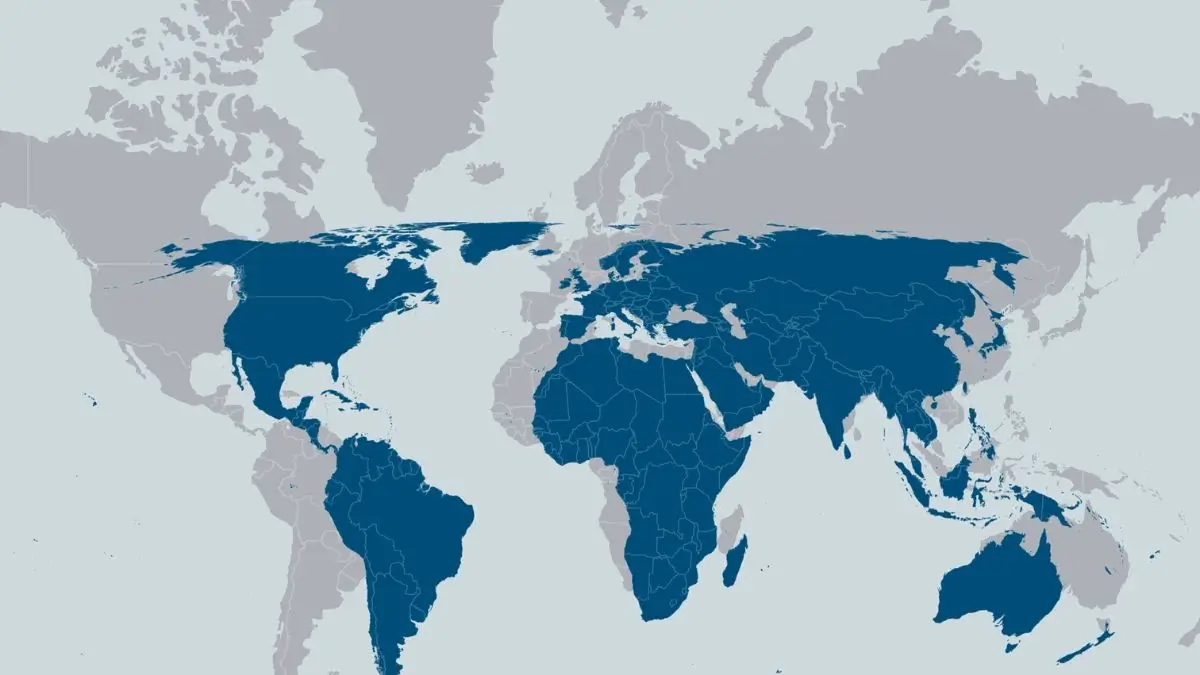
The appearance of the continents depicted on the map might not correspond to their real sizes. The Mercator projection of the Earth has been used for several decades to depict the image of the planet, yet it greatly misrepresents the sizes of areas away from the Equator. Thus, Europe and Greenland may seem to be much bigger in comparison to Africa and South America.

The United Nations General Assembly has adopted the resolution supporting the promotion of the Equal Earth projection, which is a cartographic projection giving a more realistic depiction of the sizes of the continents. The resolution was supported by 164 states; the USA has voted against it, while six countries have chosen to abstain from voting.

The resolution is not obligatory and does not mean that all existing maps should be changed.

What Is the Equal Earth Map Projection?

The Equal Earth map projection was designed in 2018 by cartographers Bojan Šavrič, Tom Patterson and Bernhard Jenny. It differs from the Mercator map projection in that the latter does not distort the relative sizes of continents but strives to maintain the continent shapes recognizable enough.

Indeed, no map projection can depict the three-dimensional world correctly since they have to focus on either shapes, distances, directions or sizes.

While the Mercator projection is very useful for navigation since it preserves directions and angles, it distorts the sizes of continents at high latitudes. In contrast, the Equal Earth map projection tries to help the viewer to grasp how the sizes of continents compare to each other.

Africa: Much Larger Than You Think

Africa is an excellent example of the distortion caused by maps. According to traditional map projections, such as Mercator, Greenland looks almost as big as Africa. However, the reality is quite different because Africa takes up around 30.3 million square kilometres, whereas Greenland occupies only a small part of it.

This factor matters when it comes to travelling. Africa is a huge continent consisting of many countries and regions that are very far away from each other. Visiting places like Kenya, Morocco, South Africa, and Zanzibar means experiencing something entirely different geographically and culturally.

The correct size depiction of the Equal Earth projection will help you understand the size of Africa better.

South America: A Large Geographical Area

South America is another continent that has the potential to appear small when looking at ordinary world maps. The continent has an area of roughly 17.8 million square kilometers.

This large continent comprises geographical areas like the Amazon rainforest, Andes mountains, the coast of Brazil and Patagonia. Countries like Brazil, Argentina, Peru, Chile and Colombia cover large distances.

As far as traveling is concerned, one might find themselves covering long distances to travel through a number of South American countries.

India and the Geography of South Asia

The Indian subcontinent as well as the broader South Asian region is another good example of how geography may be distorted on a global map.

The South Asian region encompasses an area of 5.1 million square kilometers and includes such nations as India, Pakistan, Bangladesh, Nepal, Bhutan, Sri Lanka and the Maldives, among others. It brings together the Himalayan range, deserts, tropical coasts, islands, plains and crowded cities.

India alone is spread across diverse geographical belts, ranging from the Himalayan region in the North all the way down to Kerala in the south, and to the northeastern states and Andaman-Nicobar Islands in the East and Southeast.

A more accurate map based on geographical areas would give a clearer idea of the region’s geography.

Australia – Traveling across an Entire Continent

Australia is yet another destination where the scale on the map has the potential to affect the perception of distances. Oceania covers roughly 8.5 million square kilometers of land with Australia being the bulk of that landmass.

Popular cities like Sydney, Melbourne, Perth, Cairns and Uluru are quite far from one another, and the trip between them involves a lot of flying over different scenery.

Hence, the sheer vastness of Australia must be taken into account while planning your itinerary.

Europe: Smaller but Deceptive

Europe occupies about 10.2 million square kilometres, which means that it is much smaller compared to Africa. However, the location and map depiction of Europe makes it appear much bigger compared to Africa, even though this is not the case.

There are many countries located within Europe occupying a relatively small geographical area. This explains how it becomes possible to visit several countries during one trip because of good road and air links.

Equal Earth projection makes for a more realistic view of Europe in comparison to other continents.

Importance of Map Projection

Map projection is defined as the process of translating the 3D surfaces of the Earth onto a 2D surface.

The Mercator projection gained the importance due to its usage in navigation. But the distortion becomes higher as we move towards the pole, making areas around the pole appear bigger than their real sizes.

The Equal Earth projection is an equal area projection. The purpose of this projection is to keep the correct area proportion of continents and countries with recognizable shapes.

Equal Earth vs Mercator Projection

Feature Mercator Projection Equal Earth Projection
Main purpose Navigation and direction Accurate area of the comparison
Area accuracy Distorts area, especially near the poles Preserves the relative area
High-latitude regions Appear disproportionately large More accurately represented
Developed 16th century 2018
Key developers Gerardus Mercator Bojan Šavrič, Tom Patterson and Bernhard Jenny
Major advantage Preserves angles and directions Shows relative continental size

What Is the BRICS Cross-Border Payment System? Features, Benefits and Impact on Global Trade

The BRICS Cross-border Payment System is an initiative launched by the BRICS nations to improve cross-border payments by making them cheaper, faster and more accessible through interoperability of domestic payment systems and use of national currencies. This particular initiative has become relevant in light of de-dollarization efforts, financial sanctions and reform of the international monetary system. Nevertheless, it should be noted that the BRICS Cross-Border Payments Initiative should not be confused with claims about the launch of an operational “BRICS Pay,” which has already substituted SWIFT. BRICS states the initiative as an ongoing initiative aimed at increasing interoperability of the domestic payment systems.

What Is the BRICS Cross-Border Payment System?

BRICS Cross-Border Payments Initiative refers to an initiative aimed at improving cross-border payment connectivity in BRICS nations. The goal of this initiative is to enable quick, affordable, and transparent payments, which will be efficient and safe.

As mentioned above, at the 2025 BRICS summit, it was suggested to continue discussing the BRICS Cross-Border Payments Initiative among the finance ministers and central banks’ governors. The BRICS Payments Task Force has been considering various ways to enhance interoperability in national payment systems.

This way, it is more appropriate to regard the BRICS Cross-Border Payments Initiative as an ongoing cooperation in payments than a centralized payment system functioning in BRICS countries.

Features of BRICS Payments Project

1. Interconnectivity of National Payment Systems

  • One of the key goals is to establish greater connectivity between national payment networks. In such a way, each country will be able to utilize its national payment system to conduct cross-border payments instead of relying on traditional correspondent banking.
  • Examples of such key systems include Indian UPI, China’s CIPS, and the financial messaging system in Russia.

2. Utilization of Local Currencies

  • The project seeks to increase utilization of local currencies for payments during trade both bilaterally and multilaterally. In this case, rather than convert all payments into US dollars, they would be conducted in the local currency – Indian rupee, Chinese yuan, Russian ruble, or Brazilian real.

3. Faster and Cheaper Payments

  • Cross-border payments may require many intermediaries, which can lead to higher fees and delays. According to the IMF, correspondent banking plays an important role in international payments and may entail large costs and significant delays, especially for countries that are not fully embedded in the global financial system.
  • In this way, the improved interoperability and development of new payment technologies can make international transactions faster.

4. Digital Payment Technology

  • The topic of innovative payment technologies and infrastructure has been discussed during BRICS talks. Nonetheless, statements about the creation of the BRICS blockchain-based system or common digital currency for BRICS need to be treated with caution.
  • Official BRICS stance at this moment is related to interoperability, local currency payments and further technical talks rather than creation of a single BRICS currency or blockchain payment network.

Why Does BRICS Require An Alternative Payment System?

There are many reasons for which BRICS member nations are keen to look into alternatives to traditional cross-border payments systems.

Sanctions: Financial sanctions placed upon certain countries like Russia have made it clear that geopolitical significance plays a major role in international financial infrastructure.

Transaction costs: Cross-border payments could be routed through multiple correspondent banks and include currency exchange.

Diversification away from the dollar: Several developing nations would like to cut down their exposure to US dollar fluctuations.

Financial sovereignty: The more a country depends on its own currencies, the more choices it will have during times of geopolitical stress.

Comparison of BRICS Payment System with SWIFT

Feature Existing System BRICS Alternative
Main principle Corresponding banking system and communication system Interoperability of national systems
Currency Dominance of USD and EUR Domestic currencies
Goal Connectivity in global financial system Increased diversification of payment connectivity
Management Systems of international financial infrastructure Cooperation of BRICS
Status Implemented Pending development

Impact on International Business and Dedollarization

The establishment of a payment mechanism for BRICS can facilitate international settlements in local currency and decrease reliance on intermediary currencies, thus creating further ways for international payments.

The new mechanism might also help to build a more multipolar international monetary system. Nevertheless, a replacement of the dollar-based international financial system will not be easy. According to the studies conducted by the IMF, the US dollar is the major currency in cross-border settlements, while renminbi still occupies an insignificant part of the international market.

So, in the nearest future, diversification will prevail over dedollarization.

Amit Shah Presents President’s Colour to Goa Police

Union Home Minister and Minister of Cooperation Amit Shah conferred the President’s Colour on Goa Police in Panaji on September 7, 2026, for the force’s eight decades of dedicated service, bravery and professionalism. The conferment ceremony brought into focus the many technology-enabled policing measures adopted in Goa, which include an AI-powered call agent for the 1930 cyber fraud helpline and swift emergency services by way of 112. Amit Shah commended the Goa Police force’s performance according to the criminal laws and also encouraged them to take the lead in the government’s Nasha Mukt Bharat 2029 initiative.

Why Goa Police Received the President’s Colour

The President’s Colour is an honor that is bestowed on police forces for their outstanding services and professional conduct.

According to Amit Shah, this honour was bestowed upon the Goa Police for its dedicated service over eight decades. The Goa Police has been instrumental in ensuring internal security, protecting Goa’s long coastlines and securing the lives of the tourists visiting the state.

Amit Shah also paid tribute to police personnel Balaram Shinde, Abhishek Sher, Shailesh Gaonkar and Vishwas B. Deykar, who sacrificed their lives while serving the state police force.

AI-Powered 1930 Helpline against Cyber Frauds

Another major announcement was made by Goa Police about their AI-powered call agent for the 1930 cyber fraud helpline.

This will enable registration of complaints in the languages mentioned in the Eighth Schedule of the Constitution and then forwarding of the complaint to the concerned agency.

This technology will help Goa because Goa attracts tourists from all over India and even abroad. The multilingual feature will enable people to report their problems regarding cyber frauds.

Goa Police Quick to Respond to 112 Calls

There were improvements in the emergency call response system too, by the Goa Police.

As per Shah, the response time of the 112 helpline has been reduced to eight minutes from 18 minutes earlier. More than 20,000 calls have been promptly assisted.

Shah was confident that the response time can be brought down further to below six minutes with additional vehicles and two-wheelers.

Conviction Rate Increases to 53% from 23%

According to Shah, the success of Goa Police after the introduction of new criminal law regulations in India and the three new Nyaya Sanhitas has been impressive.

The new regulation gives more focus to technology, sensitivity, prioritisation and fast justice. Goa Police has made 93.38% progress in adopting the new criminal codes, making it second-best in the country.

Moreover, the police force has increased the conviction rate to 53% from 23%, which is an increase of 30 percentage points within a year.

Goa Police and Nasha Mukt Bharat 2029

It was also revealed by Shah that the Ministry of Home Affairs had prepared a roadmap from 2026 to 2029 for Nasha Mukt Bharat.

The wider mission aims at making villages and cities of India narcotics-free with joint efforts from both central and state governments.

The Home Minister believes that Goa Police, due to its performance and importance, would prove to be a force against narcotics in the future.

Which Is the Longest Tributary of the Ganga?

Yamuna River is considered to be the longest tributary of Ganga River, with a length of around 1,376 kilometers. Originating from the Himalayas, the river flows through the northern parts of India and meets the Ganga at Prayagraj, located in Uttar Pradesh. The route taken by the river passes through many major cities like Delhi, Mathura, Agra, and Prayagraj, while its tributaries and basin render it as one of the essential rivers in the Ganga river system. Geography and exams also include the river due to its origin, course, tributaries, dams, and well-known Triveni Sangam at Prayagraj.

Which is the Longest Tributary of the Ganga?

The Yamuna is the longest tributary of the Ganga, with a length of about 1,376 kilometers. The river is the right-bank tributary of the Ganga River and it meets the main river at Prayagraj in Uttar Pradesh.

The river originates from the Yamunotri Glacier in Uttarakhand, which belongs to the Bandarpoonch range of the Himalayas. From there, the river flows down into the northern plains and finally joins the Ganga.

From Where Does the Yamuna River Originate?

The Yamuna river originates from the Yamunotri glacier, situated in the state of Uttarakhand. The point where the river originates is located within the Bandarpoonch mountains of the Himalayas.

Yamunotri is also a significant religious site related to the river and represents one of the Char Dhams of Uttarakhand pilgrimage tradition.

How Long Is the Yamuna River?

The Yamuna river is about 1,376 kilometres long. Due to its long course, it is considered to be one of the most significant rivers of northern India.

The river starts in the Himalayas region and flows down into the plains, passing through or close to many major cities before joining the Ganga.

Where Is the Confluence of the Yamuna River with the Ganga?

The confluence of the Yamuna and Ganga rivers takes place in the city of Prayagraj, in the Indian state of Uttar Pradesh.

The famous confluence is called the Triveni Sangam. The Ganga and Yamuna are the two rivers visible at the confluence, whereas Saraswati is believed to flow underground there.

Is Yamuna a Right Bank or Left Bank Tributary?

Yamuna is a right bank tributary of the river Ganga.

The banks of a river are identified by looking towards the downstream direction. Since the river Yamuna merges into the river Ganga from the southern side in Prayagraj, it is called a right bank tributary.

States and Regions Covered by Yamuna River?

Some of the northern Indian states and regions linked with the river Yamuna are,

  • Uttarakhand
  • Himachal Pradesh
  • Haryana
  • Delhi
  • Uttar Pradesh

Major Cities in the Basin of Yamuna River

The Yamuna River is associated with a number of cities that hold significance from both economic and historical perspectives.

  • Delhi: The river passes through the eastern side of Delhi, which is considered to be the capital of India.
  • Mathura: This city has great historical significance and is related with the river Yamuna.
  • Agra: The river passes through the city of Agra, where the famous monument Taj Mahal has been constructed on the southern banks of the river.
  • Prayagraj: The river Yamuna meets the river Ganga at Prayagraj, known for its Triveni Sangam.

Major Tributaries of Yamuna River

There are a number of important tributaries of the Yamuna River. They are as follows,

  • Chambal
  • Sind
  • Betwa
  • Ken
  • Tons

Major Dams & Barrages in the Yamuna River Basin

Infrastructures Location/Details
Hathnikund Barrage Haryana
Wazirabad Barrage Delhi
Okhla Barrage Delhi
Matatila Dam Betwa River
Tajewala Irrigation Project Upper Yamuna Region

The above dams are linked to irrigation and management of water flow.

Yamuna and the Taj Mahal

The Yamuna has a unique link with Indian architecture since the Taj Mahal in Agra is located on its south bank.

The river is an important part of the environment around the monument and has played an integral role in shaping the geography of the city.

List of All Apple CEOs: From Michael Scott to John Ternus

The history of leadership at Apple is nearly as fascinating as its product history. From being a start-up in the realm of personal computers to becoming a global player in technology, the company has been through a number of different stages of leadership. The first ever leader of the company was Michael Scott, whereas Steve Jobs, although one of the founders of the company, did not become its CEO until 1997. The company has faced many leadership challenges along with product failures, financial problems and success stories. In September 2026, John Ternus became CEO of the company.

How Many CEOs Has Apple Inc. Had Till Now?

Seven CEOs have been at Apple Inc. throughout their tenure as CEOs,

  1. Michael Scott (1977 to 1981)
  2. Mike Markkula (1981 to 1983)
  3. John Sculley (1983 to 1993)
  4. Michael Spindler (1993 to 1996)
  5. Gil Amelio (1996 to 1997)
  6. Steve Jobs (1997 to 2011)
  7. Tim Cook (2011 to 2026)
  8. John Ternus (2026 to date)

It is noteworthy that the founders of Apple Inc. and the CEOs of Apple Inc

Michael Scott (1977-1981)

Michael Scott was appointed the first CEO of Apple when the firm was beginning its commercial expansion. He was hired on the assumption that neither Jobs nor Wozniak had the requisite business skills to run an emerging corporation.

Among other events, Scott oversaw the development and commercial success of the Apple II and a very controversial reorganization in 1981, where he laid off a large part of the engineers behind the Apple II in what was later dubbed “Black Wednesday” at Apple.

Mike Markkula (1981-1983)

An investor in Apple’s early days and a very important figure in the formation of Apple as a company, Mike Markkula injected $250,000 into the firm and provided much-needed business acumen.

Oftentimes dubbed a “forgotten founder,” Mike Markkula played a significant role in developing Apple from a promising computer startup to a well-structured business firm. He would return to Apple as the chairman of the firm.

John Sculley (1983-1993)

The former PepsiCo executive, John Sculley, was recruited to Apple on account of his marketing skills and became its CEO in 1983.

The Macintosh was introduced during his tenure in 1984; however, his era also saw friction with Steve Jobs. This friction finally led to Jobs leaving Apple in 1985.

During the time of Sculley’s leadership, Apple kept evolving the Macintosh and some innovations by Apple also helped build the desktop publishing industry. But it also faced problems due to the complex product strategy and costs.

Michael Spindler (1993-1996)

Michael Spindler, who was leading the operations of Apple in Europe, became the CEO of the firm in 1993.

This was a short-term tenure for him and came when Apple was going through a tough time. Apple was facing challenges due to its product strategy and operating system development amid stiff competition from Window-based PCs.

He also explored the possibility of a combination with firms like IBM, Sun and Philips.

Gil Amelio (1996-1997)

Gil Amelio was appointed CEO in 1996, and his tenure was the shortest among all of Apple’s CEOs until the 2026 changeover.

One of Gil Amelio’s important move was the acquisition of the company, NeXT, which was created by Steve Jobs, in 1996.

This acquisition had delivered the technologies that would be later utilized to build the foundation of Apple’s current operating system infrastructure.

Nevertheless, Apple remained unprofitable and its market position kept deteriorating. As a result, Gil Amelio stepped down from his post, making way for the return of Jobs.

Steve Jobs (1997-2011)

Steve Jobs returned to Apple in 1997 first as an interim CEO and then as the CEO himself.

Jobs greatly simplified Apple’s approach towards product development and delivered a wide range of products and services, including such breakthrough devices as iMac, iPod, iTunes, iPhone and iPad.

The launch of the iPhone revolutionized the mobile phone industry, whereas the App Store established the powerful ecosystem of third party applications.

Jobs resigned from his CEO post in August 2011 due to his poor health condition and was succeeded by Tim Cook.

Tim Cook (2011-2026)

Tim Cook assumed the position of Apple CEO in 2011, having previously worked as the company’s chief operating officer.

Tim Cook is known for his outstanding success in business that resulted in huge growth of the Apple Corporation in terms of finances, increase of services provided, further development of iPhone, iPad, Mac products.

Throughout Tim Cook’s leadership, Apple became the first public company which value hit the $1 trillion mark in 2018 and then exceeded it several times.

Tim Cook resigned from being CEO of the company on September 1, 2026 and became executive chairman of the Apple’s Board.

John Ternus (2026-Present)

On September 1, 2026, John Ternus became the CEO of Apple Inc., succeeding Tim Cook.

Ternus worked for Apple since 2001 and held the position of senior vice president of Hardware Engineering. He played a crucial role in the creation of products like iPad, AirPods, and Apple Watch.

This appointment is significant because Ternus is from the hardware engineering department of Apple Inc. as opposed to a more conventional marketing and finance background.

Ternus faces the challenge of running a company worth approximately $4.7 trillion at the onset of his new role, as Apple Inc. grapples with slow product sales growth, technological rivalry, artificial intelligence and geopolitical challenges concerning its supply chain.

Cook continues working for Apple as executive chair.

Apple Inc.: History, Products, Leadership and Global Impact

Apple Inc. is among the world’s leading technology firms, having grown from being a Silicon Valley start-up company to a multinational giant. The firm was founded in 1976 by Steve Jobs, Steve Wozniak and Ronald Wayne. The firm has been involved in the creation of computers, smartphones, digital media devices, and wearables. Its products such as the Macintosh, iPod, iPhone, iPad and Apple Watch have revolutionized the way that people operate, communicate and interact with digital media. By 2026, Apple is still a major technology firm worldwide, although its leadership has moved into a new era with John Ternus taking over as the CEO of Apple.

What Is Apple Inc.?

Apple Inc. is a multinational corporation based in America and headquartered in Cupertino, California. Apple Computer, Inc. was the name of the organization when it was founded on April 1, 1976.

The company started as a manufacturer of personal computers but then evolved into a business offering an integrated combination of hardware, software, and digital services. The main products and services offered by Apple include Mac computers, iPhone, iPad, Apple Watch, AirPods, and Apple TV+ and others.

Apart from that, the products of Apple brought many things to consumer computers. These included features like GUI, mouse and icons.

Early History and Growth of Apple

The first product of Apple, called Apple I, was introduced in 1976. It was an ordinary motherboard created mainly by Steve Wozniak which was priced at $666.66. Even though the initial sales were low and about 200 units were sold in total, the Apple I laid the basis for future products.

In 1977, the Apple II came out. It was a very successful product because it had color graphics, sound capabilities and user-friendly design. Millions of units were sold.

The breakthrough in technologies was made by Apple in 1979 when its engineers studied the innovations at Xerox’s PARC. Such ideas as GUI, mouse and icons were adopted for the creation of Lisa and Macintosh.

The Macintosh was introduced in 1984 with the help of the famous “1984” Super Bowl ad. However, the first sales were not as good as expected, which resulted in internal conflicts and led to Steve Jobs leaving Apple in 1985.

Steve Jobs and Apple’s Revolution

The company faced many challenges in the late 1980s and 1990s due to strong competition from IBM-compatible PC and Microsoft Windows. Many products and initiatives, such as Lisa and Newton PDA, did not prove commercially successful.

However, there was a turning point in 1996 as Apple acquired NeXT Software which was started by Steve Jobs after he had left Apple. In 1997, Steve Jobs returned to Apple and reorganized the company’s product strategy.

The launch of iMac in 1998 revived Apple’s appeal among consumers. After that, Apple made many advances in digital media and mobile technologies.

  • iTunes – 2001: made Apple a key player in digital music.
  • iPod – 2001: revolutionized portable digital music.
  • iPhone – 2007: revolutionized the smartphone industry via touchscreen interaction and integration with the software.
  • iPad – 2010: contributed to establishment of the market of modern tablets.

The development of the App Store ecosystem provided an additional level of functionality to Apple devices through the work of third-party developers.

Tim Cook Era and Apple Silicon

Steve Jobs left as the CEO of Apple in August 2011, with Tim Cook taking over the position. Steve Jobs passed away two months later.

During the leadership of Tim Cook, Apple continued to innovate in the already established products while coming up with new products. For instance, Apple introduced Apple Pay in 2014, with the Apple Watch coming in 2015, and AirPods were rolled out in 2016.

Additionally, Apple has recorded major milestones in finance, with the company being the first one to attain a value of $1 trillion in 2018. The company went on to hit a value of $2 trillion before making new financial milestones.

In 2020, Apple introduced Apple Silicon with the M1 chip used in Mac Computers. Apple has since then introduced M2, M3, M4 and M5 generations of chips.

2026 Leadership Transition

Apple embarked on a new leadership cycle in 2026 when Tim Cook resigned from his position as CEO on September 1, 2026, having been the chief executive at the company since 2011.

John Ternus, who was Apple’s senior vice president of hardware engineering, replaced Tim Cook as CEO. John Ternus had been with Apple since 2001 and helped create many Apple products such as iPad, AirPods and Apple Watch. Tim Cook became Apple’s executive chairman.

This leadership transition is important in that it signifies the end of the Cook era when Apple made huge strides in both hardware and services.

G7 vs BRICS: Which Bloc Holds More Power in 2026?

G7 vs BRICS comparison has become increasingly relevant in light of the shifting balance of power in the global arena beyond the existing Western hegemony. The G7 continues to be highly relevant in terms of global finance, advanced technologies, investments, and rules for institutions, while the BRICS has become increasingly relevant because of its massive population, emerging economy, energy resources, and call for a multipolar world. With the upcoming chairmanship of India in the BRICS and the preparation of the 18th BRICS summit, 2026 holds further relevance in this context.

What is G7 and BRICS?

Group of Seven (G7) is a discussion group that consists of the US, Canada, France, Germany, Italy, Japan and the UK. The European Union is involved in G7 discussions but is not counted among the seven G7 members. This group unites highly developed industrialized countries with considerable impact on global finances, technology, trade and security.

BRICS, initially created around Brazil, Russia, India and China, acquired a new member in 2011 — South Africa. Further development of the group resulted in acquisition of new countries, namely Egypt, Ethiopia, Iran, UAE and Indonesia. There are 11 member countries of BRICS listed in its official documents; however, there are also partner-countries.

Unlike G7, BRICS is characterized by political diversity. It comprises democratic, monarchic and authoritarian regimes. Its unity is based on economic cooperation, more representation of Global South and institutional reform of global governance institutions.

Economic Power of G7 vs BRICS

Which bloc has more economic power? The response is heavily dependent on the criteria for measuring economic power.

In the case of nominal GDP, G7 has a considerable advantage as it features the US – the largest economy in the world, alongside other high-income economies. Financial depth and strong capital markets, as well as a higher level of income, follow from that.

When it comes to PPP-based GDP, things get quite different since the GDP share of BRICS countries becomes substantially larger compared to nominal GDP due to the fact that the indicator takes into consideration the differences in domestic price levels and purchasing power.

IMF 2026 figures also emphasize the structural difference as the GDP per capita in advanced countries, such as those represented by the G7, is significantly higher than in emerging and developing economies.

Energy, Manufacturing, and Technology

BRICS is well endowed with regard to energy and natural resources. Russia, Iran, Saudi Arabia, and the United Arab Emirates have endowed BRICS with considerable clout in energy markets, whereas Brazil, China, India, among others, are endowed with agricultural, industrial, and manufacturing power.

The Chinese stand out due to their prominence in manufacturing, renewables value chain, electric vehicles, and mineral processing.

But the G7 has considerable clout regarding the top of global value chains. Countries like the US, Japan, and European countries are key centers for advanced semiconductors, aerospace, biotech, software, financial services, and high-level research.

Hence, BRICS is more empowered in several physical and industrial inputs, but G7 is more powerful in advanced technologies, finances, and high-value services.

Control Over Global Finance

This still is one of the main strengths of the G7.

The dollar continues to prevail in the official foreign exchange reserves. The IMF reports that the share of dollars in the global foreign exchange reserves made 57.13% in Q1 2026, and the euro still was the second largest reserve currency.

The depth of the capital market of the USA, the international nature of the dollar and Western financial institutions gives the G7 control over global finance.

BRICS actively supports the local currency settlements, alternative financial payment systems and development finance. The New Development Bank is a key institution of the BRICS. In addition, China’s Cross-border Interbank Payment System provides another channel for the financial operations across the borders.

But BRICS has not substituted the dollar-financial system. The very growth of the local currency trade can be treated as financial diversification and risk management.

Why Are BRICS Significant to India?

India enjoys a special place between both groupings, since India is a founding member of BRICS as well as a member of strategic partnerships that include the US and other G7 members.

For India, the BRICS forum is an avenue through which it can push its agenda on behalf of the Global South, including reforms of the international system and increased presence in global governance and development finance. However, at the same time, India’s relationships with Western economies also matter for its technological, economic, and military interests.

This way, India’s chairmanship of BRICS in 2026 offers an opportunity for cooperation without making BRICS an anti-Western bloc. The 2025 Rio Declaration officially endorsed India’s chairing of the 18th BRICS summit in 2026.

G7 vs BRICS: Which Bloc Has More Power?

Area Advantage
Nominal GDP G7
GDP at PPP BRICS
Population BRICS
Global finance G7
Reserve-currency influence G7
Energy resources BRICS
Manufacturing scale BRICS
Advanced technology G7
Global South representation BRICS
High-income markets G7

The emerging global order is therefore less about G7 versus BRICS and more about competing centres of influence. Many countries seek investment, technology and security partnerships from the West while simultaneously strengthening economic ties with BRICS economies.

_12.1
September 2026
M T W T F S S
 123456
78910111213
14151617181920
21222324252627
282930