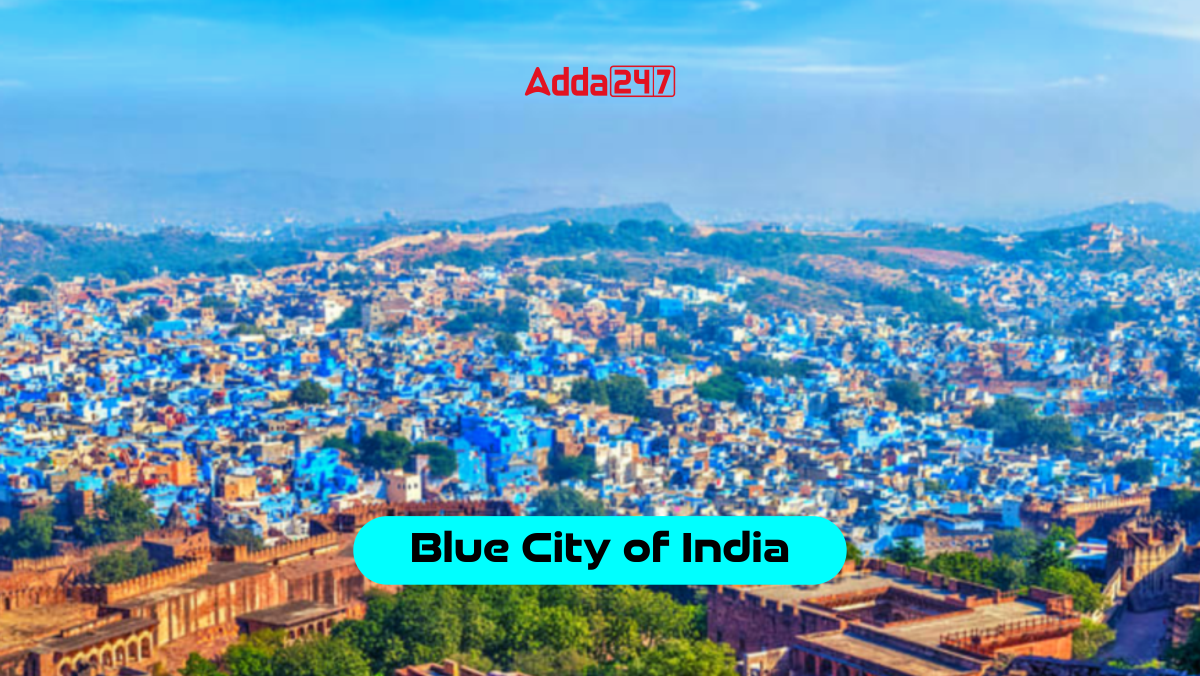
India is a land of vibrant cities, many of which are symbolized by specific colours that reflect their unique cultural, historical, and architectural heritage. One such city is Jodhpur, famously known as the Blue City of India. Located on the edge of the Thar Desert in Rajasthan, Jodhpur is renowned for its blue-painted houses, magnificent forts, and rich Rajputana history. The city offers an immersive experience blending tradition, spirituality, climate-adapted architecture, and tourism. Let’s explore in detail why Jodhpur is called the Blue City, its cultural relevance, and its significance in modern India.
Why is Jodhpur Called the Blue City of India?
Jodhpur gets its nickname from the vivid blue houses clustered around the iconic Mehrangarh Fort. These blue-painted homes create a mesmerizing landscape when viewed from above, giving the entire city a blue-hued appearance.
Historical Origins of the Blue Color
- Initially, the blue colour was associated with the Brahmin caste (the priestly class), who painted their houses blue to distinguish their homes from others.
- Over time, non-Brahmin residents also adopted this practice, resulting in the spread of blue-painted houses throughout the old city.
Functional and Cultural Significance
- The blue paint is believed to repel insects and help cool the interiors during the harsh desert summer.
- Blue also holds spiritual significance in Hinduism, symbolizing divinity, the sky, and the infinite. It is often associated with Lord Krishna and Lord Shiva.
What Is Jodhpur Famous For?
Jodhpur is not just about its blue streets. The city is a cultural, architectural, and tourist treasure trove.
Architectural Marvels
- Mehrangarh Fort: A massive fort built in the 15th century offering panoramic views of the Blue City. It is one of the largest and most well-preserved forts in India.
- Umaid Bhawan Palace: A blend of Indian and European architectural styles, this royal residence is now partially a hotel and museum.
- Jaswant Thada: A marble cenotaph built in memory of Maharaja Jaswant Singh II, known for its peaceful ambiance and intricate carvings.
- Clock Tower & Sardar Market: A bustling area for shopping traditional Rajasthani goods and spices.
Cultural Identity
- Traditional Rajasthani folk music, dance, festivals, and handicrafts thrive in Jodhpur.
- Local cuisine like Dal Baati Churma, Laal Maas, and Makhaniya Lassi adds to the cultural appeal.
How Does the Blue Colour Promote Tourism?
- The visual appeal of Jodhpur’s blue-washed houses attracts photographers, travel bloggers, and tourists from around the world.
- Instagrammable Alleys: Narrow lanes flanked by blue buildings create unique photographic opportunities.
- Cultural Walking Tours: Guided heritage walks through the old city enhance tourist engagement and learning.
- Cinematic Location: Bollywood and Hollywood films have used Jodhpur as a backdrop, boosting its international popularity.
Why Is Jodhpur Important to Indian Heritage?
Preserving Architectural Identity
- The city represents Rajputana valor and elegance, visible in forts and palaces.
- The blue facades serve as a living canvas of traditional construction methods and eco-friendly design suited for desert life.
Economic and Tourism Benefits
- Tourism contributes significantly to local employment—from tour guides and craftsmen to hoteliers and transport providers.
- Revival of indigenous painting techniques and handicrafts has been encouraged by tourism demand.
How Is the Blue Colour Preserved Today?
Challenges
- Shift to synthetic paints threatens the authenticity of Jodhpur’s colour scheme.
- Urbanization and modern construction methods dilute the traditional landscape.
Preservation Efforts
- Local NGOs and government bodies are promoting eco-friendly paints and awareness campaigns.
- Heritage conservation laws aim to protect architectural elements in the old city.
What Are Some Interesting Facts About the Blue City?
- Natural Paint: The traditional blue colour was made from indigo dye and limestone.
- Dual Identity: Besides being the Blue City, Jodhpur is also called the “Sun City” due to its year-round sunshine.
- Climate: With scorching summers and mild winters, blue homes provide a cooler interior environment.
- Popularity: Jodhpur is one of the most photographed cities in India.
- Film Location: Scenes from famous movies like The Dark Knight Rises, The Fall, and Shuddh Desi Romance were shot here
Find More General Studies News Here



 Which is the Most Consumed Beverage in t...
 Which is the Only Continent with No Tree...
 India's Defense Exports Hit Record ₹38,4...