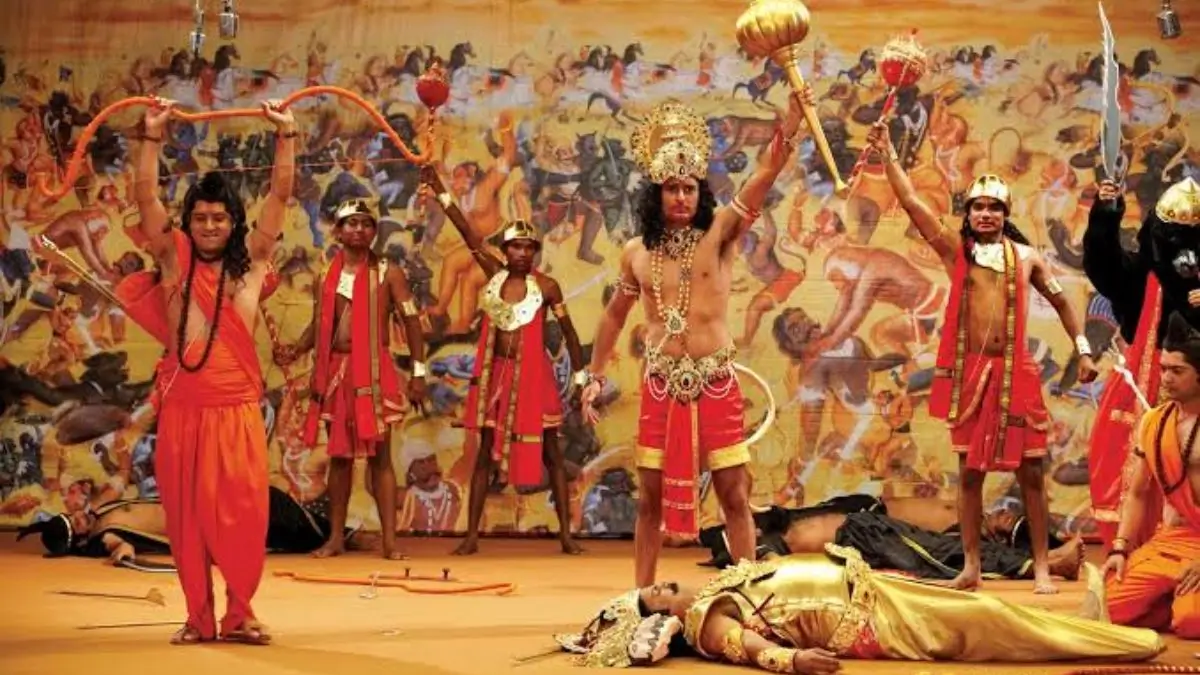
Both Dussehra and Navaratri are celebrated along with some very unique forms of culture of India, which include Ramlila plays, Durga Puja in Kolkata and the festival of Garba in Gujarat. This involves religious activities as well as theatre, music, dance, craft and community participation. Such cultural practices have been included by UNESCO in its Representative List of the Intangible Cultural Heritage of Humanity in order to preserve their cultural significance and also because of the necessity of keeping the traditions of the past alive for the generations to come.
UNESCO and Intangible Cultural Heritage: What Is the Meaning of Inscription?
UNESCO Representative List of the Intangible Cultural Heritage of Humanity consists of elements which are regarded by communities as an integral part of their cultural heritage. Such elements include performance arts, festivities, rituals, traditional crafts and various forms of oral expression.
In contrast to such objects as historical monuments and archaeological sites, intangible cultural heritage needs continuous practice and transmission from one generation to another. It exists because there are people who continue practicing and adapting traditions within the community.
The UNESCO Convention on the Protection of the Intangible Cultural Heritage came into effect in 2003; the convention entered into force in 2006. The Indian state ratified the Convention in 2005.
The important difference: UNESCO did not list Dussehra as one unified tradition in its Representative List. Instead, UNESCO recognized certain cultural practices that are held during Navratri-Dussehra season: Ramlila, Durga Puja in Calcutta and Garba in Gujarat.
1. Ramlila: The Traditional Performance of the Ramayana
Ramlila, which means “play of Rama,” is the name for the traditional enactment of scenes from the epic Ramayana through a combination of acting, narration, singing, recitation, and dialogue.
A number of northern Indian Ramlilas are based on the Ramcharitmanas, an epic poem written in the 16th century by poet-saint Tulsidas in Awadhi, thus making the story of Lord Rama accessible to people who are not versed in Sanskrit literary heritage.
These enactments take place throughout northern India. There are important Ramlila traditions associated with Ayodhya, Ramnagar, Varanasi, Vrindavan, Almora, Satna, and Madhubani. While most Ramlilas last several days, there is the famous Ramnagar Ramlila that lasts for about one month.
Why is Ramlila culturally important?
- Community involvement: Local residents participate in Ramlilas as actors, organizers, makers of costumes and artifacts.
- Oral and dramatic transmission of history: The epic of Ramayana is conveyed orally and dramatically.
- Intergenerational transmission: Young and old learn this tradition by taking part in or watching performances.
- Collective identity formation: Ramlila gives people a common cultural story to unite around.
- Originally recognized as a Masterpiece of the Oral and Intangible Heritage of Humanity in 2005.
2. Durga Puja in Kolkata: Religion, Art and Community Participation
Durga Puja is an annual event celebrated in honor of goddess Durga. The festival is especially celebrated in Kolkata and West Bengal. The festival combines the aspects of religion, sculpture, visual arts, music and festivities.
The preparations for the festival take place some time before the actual event. The artisans construct the image of goddess Durga and her family members through the clay from the Ganges basin region. The festival sees the construction of temporary structures called pandals in which the images are housed. Traditional drumming by Bengalis is a part of this festival.
The festival ends with the immersion of the images. This festival is also a symbolic festival for Bengalis as the goddess is considered to have returned to her ancestral home.
What made UNESCO choose to recognize Durga Puja?
The UNESCO considers Durga Puja as one of the illustrations of how religion combines with public art. The importance of the culture is not only in religious activities held in temples but also in the following aspects,
- Artisan traditions: Sculptors, painters, decorators, and other artisans creates the idols and installations for the festival.
- Creative cooperation: artists, designers, organizers, and local community members collaborate to make the durga pandals.
- Public engagement: people from the diverse backgrounds attend the festivals and become participants of the celebrations.
- Transmission of culture: religions, artisanal skills, and arts are passed down through generations.
The Durga Puja of Kolkata was included in UNESCO’s list of Representative Elements in 2021. The UNESCO recognition concentrates on the living tradition of the festival and its communities, and not on each Durga Puja festival celebrated in India.
3. Garba of Gujarat: Devotional Dance and Navaratri
Garba is a devotional dance which takes place during the festival of the Navratri to worship the goddess Shakti. Traditionally, this dance consists of spinning around an earthen lamp or a picture of the goddess Shakti with chanting and clapping.
Garba starts from slow, controlled dancing around in circles after which there is an increase in speed and energy. Even today, Garba dancing takes place not only with large music groups and well-choreographed dances, but with community involvement.
The transmission of Garba occurs by learning, watching, practicing, and performing it. It is passed on by dancers, musicians, people who make costumes, craftsmen, organizers, and religious leaders.
Cultural importance of Garba
The recognition by the UNESCO reveals how the Garba preserves social ties and transmits to the cultural traditions.
- Religious importance: This dance form is linked with the worship of Shakti at Navratri festival.
- Community involvement: Dancing in the groups connects all the members of different generations and societies.
- Traditional craftsmanship: Music, dance, design of the costumes and ornaments is also an integral part of this tradition.
- Social cohesion: Social equality and unity can be achieved through the Garba according to UNESCO.
Garba of Gujarat was added to the Representative List in 2023. The recognition by UNESCO revealed the significance of this tradition for promoting social equality and unity in diversity.








 Dussehra 2026: Top 30 Most Important GK ...
 Mysuru Dasara 2026: History, Jamboo Sava...
 Dussehra Celebrations Across India: 12 U...