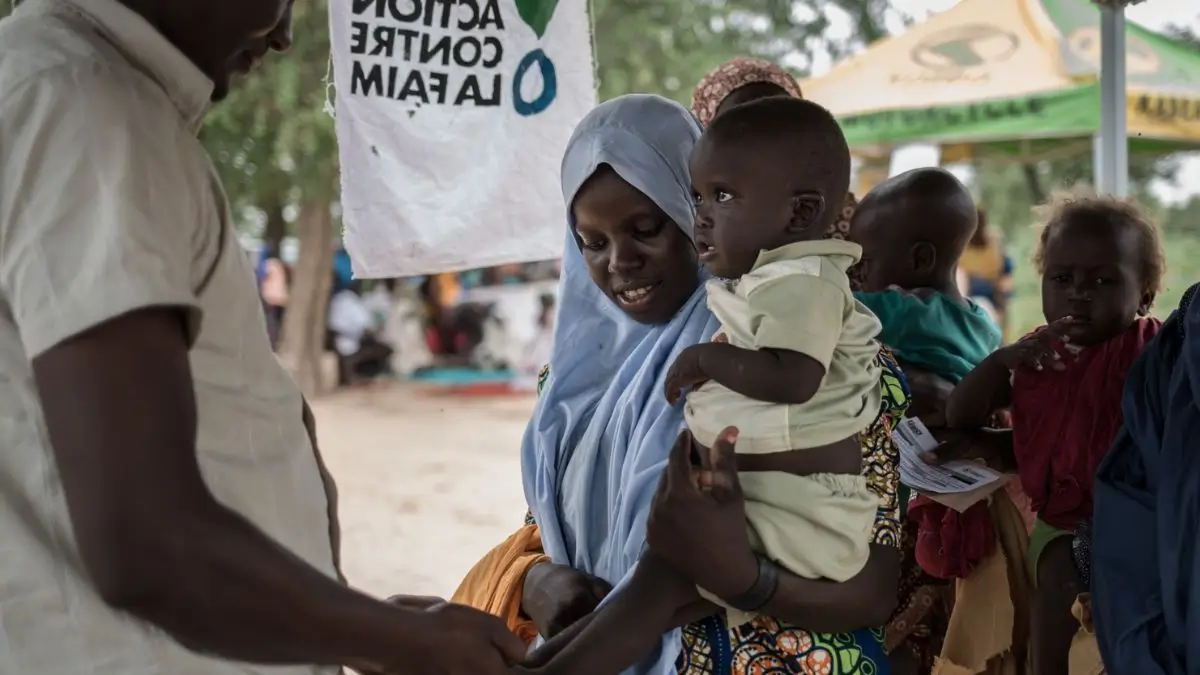
As per the latest Hunger Hotspots report of 2026, which is a joint initiative of the Food and Agriculture Organization and the World Food Programme (FAO-WFP), identifies 13 countries and territories where there is an acute risk of food insecurity. The reasons for the increase in the number of hungry people include conflict, climate shock, displacement, economic instability, and restrictions on humanitarian assistance.
The countries and territories of the highest concern include Sudan, South Sudan, Yemen, Palestine, Northeast Nigeria, and Somalia. Other very high-concern areas include Afghanistan, the Democratic Republic of the Congo, and Haiti. Additionally, the following countries and territories are also mentioned in the list of hunger hotspots – Myanmar, Mali, Lebanon, and Madagascar.
Which Countries Are the Biggest Hunger Hotspots in 2026?
Based on the latest FAO-WFP report, the list of 13 hunger hotspots in the June-November 2026 period includes:
Category wise Countries
- Highest Concern: Sudan, South Sudan, Yemen, Palestine, Northeast Nigeria, Somalia
- Very High Concern: Afghanistan, Democratic Republic of the Congo, Haiti
- Other Hotspots: Myanmar, Mali, Lebanon, Madagascar
The worst situation is registered in the areas suffering from the effects of long-lasting conflicts and displacement. People in some areas experience conditions of famine and catastrophe.
What Is a Hunger Hotspot?
- A hunger hotspot is an area where food insecurity is likely to deteriorate greatly within a particular time period.
- The FAO-WFP report highlights areas of high risks for increased food insecurity where urgent actions can save lives from the worst effects of food insecurity.
- Food insecurity may be divided into different levels of severity. At the crisis level, households are unable to ensure food security without damaging livelihoods.
- Emergency conditions are characterized by widespread food shortages, malnutrition and risks for mortality increase.
- At the catastrophic stage, families are exposed to extreme food deprivation and risks of starvation.
Sudan: One of the World’s Worst Hunger Hotspots
- Sudan continues to be one of the most urgent food emergencies in the world. Ongoing civil war, which broke out in April 2023, resulted in huge population movement, economic instability and disruption of basic services.
- About 19.5 million people faced the high rates of food insecurity until May 2026, which is accounted for 41% of the country’s population. Around 5 million people were estimated to suffer from the Emergency condition.
- Conflict has affected agriculture, trading and humanitarian operations negatively.
- North Darfur, South Darfur and South Kordofan face high risks of famine.
- Economic instability has led to currency depreciation and price increase that has made food and fuel inaccessible for many people.
South Sudan: Hunger Caused by Conflict and Climate Change
- Ongoing conflicts, displacement, climate risks, low agricultural production and economic instability continue to contribute to the food insecurity in South Sudan.
- It was estimated that some 7.8 million people, which constituted 55% of the country’s population, were at the risk of Crisis-level food insecurity or higher until July 2026.
- Around 2.5 million people were estimated to suffer from the Emergency conditions.
- Ongoing conflict in such states as Jonglei and Upper Nile continues to affect crop production, markets and humanitarian operations negatively.
- Unpredictable floods and rains increase risks for agricultural produce and cattle.
Yemen: Prolonged Humanitarian Crisis Leaves Millions of People Food Insecure
- Yemen remains as one of the world’s most serious food crises. After the years of conflict and economic turmoil have undermined the livelihoods and limited access to food and other basic needs.
- According to previous estimates, approximately 18.3 million people could experience Crisis levels or higher of acute food insecurity. Approximately 5.5 million people would fall into Emergency categories.
- As a result of the ongoing humanitarian crisis, the issue of food insecurity is still relevant despite the efforts of humanitarian organizations to keep providing basic assistance.
Palestine: Severe Food Insecurity in Gaza
- The Gaza Strip remains one of the most serious hunger hotspots. It was stated that the risk of famine can be observed for the territory in case of the worst scenarios.
- About 1.6 million people or approximately 77% of the analyzed population experienced acute food insecurity. Over 500,000 people fell into Emergency categories.
- The destruction of infrastructure of agriculture and disruptions of the food chain significantly undermine the capacity of the territory to produce food itself. Humanitarian access and food availability remain key issues.
- The situation in the West Bank is becoming difficult due to displacement, limitations of movement, disrupted markets and economic shocks.
Northeast Nigeria: Climate Change and Conflict Pose Risks to Food Security
- Northeast Nigeria and especially Borno State have turned out to be yet another critical area of food insecurity threat.
- Insecurity and conflict have been disrupting agricultural activities and trade, while climate-related shocks have been affecting agricultural output. In certain areas, the production of cereals is considerably lower than average.
- According to estimates, 15,000 people in the region were at risk of experiencing food insecurity of Catastrophe severity from June through August 2026.
- The overall situation with food security in Nigeria is significant, and millions are expected to suffer from severe acute food insecurity in the second half of 2026.
Somalia: Drought and Conflict Create a Hunger Crisis
- Somalia faces the problem of food insecurity that is associated with drought, conflict, displacement, and increased food prices.
- Unfavorable rain periods have led to low agricultural output, and continuous violence has been hampering farming and trade. Increasing expenses on fuel and transportation have resulted in higher prices for food.
- In April-June 2026, about 6 million people experienced Crisis-level of hunger or higher. By the end of 2026, it was estimated that around 1.9 million children would experience malnutrition with hundreds of thousands suffering from severe malnutrition.
Other Hunger Hotspots in 2026
- In addition to the six regions that fall within the highest concern category, the UN report highlights some other places where food insecurity is a critical risk factor.
- Afghanistan, Democratic Republic of Congo and Haiti have been classified under the very high concern category. They suffer from different issues, such as economic instability, conflicts, displacement and lack of access to basic services.
- Myanmar, Mali, Lebanon and Madagascar have also been classified as hunger hotspots.
- Each of them has unique situations; however, they face problems like economic instability, conflicts, displacement and climate-related risks.
Main Factors Contributing to the Problem of Hunger in the World
- The list of hunger hotspots in 2026 indicates that food insecurity is always the result of a number of factors, rather than one single factor.
- Conflict and insecurity constitute some of the most prominent factors since wars devastate agricultural production, market places, roads and force people to leave their homelands.
- Droughts, floods and abnormal rainfall constitute climate factors which affect food security as well as crop production and livestock productivity.
- Furthermore, economic instability, including high inflation rates, depreciation of national currencies and the increased cost of fuel and transportation, is another significant factor behind the problem.
- Lastly, displacement and limited humanitarian access may deprive vulnerable groups from necessary food and medical care.








 Nigeria Reports Imported Case of Ebola B...
 World Health Summit 2026: Key Initiative...
 Putin Ratifies India–Russia Agreement ...