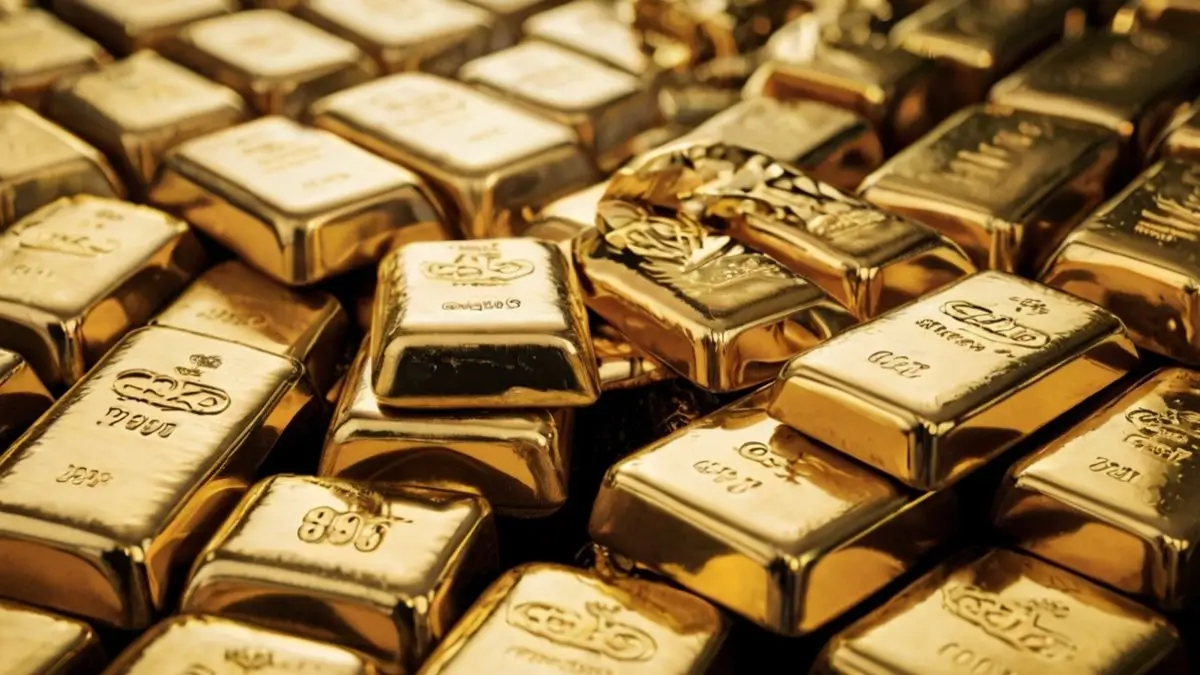
The government of India sharply increased the import duty on gold and silver to 15%. This move aims at protecting the country’s foreign exchange reserves and reducing the pressure on the weakening of Indian Rupee. The rising tensions in the West Asia, rising crude oil prices and global economic uncertainties are increasing the country’s import risks.
India Raises Gold and Silver Import Duty to 15%
The Indian government has increased the customs duty on gold and silver imports from 6% to 15%.
For the platinum category the duty has been raised from 6.4% to 15.4%.
The revised structure includes the,
- 10% Basic Customs Duty (BCD)
- 5% Agriculture Infrastructure and Development Cess (AIDC)
This will take the effective import duty on gold and silver to 15%.
This duty hike also applies to related products such as the gold dore, silver dore, coins and findings.
Why Did India Increase Gold Import Duty?
The government’s main goal is to protect the India’s external financial stability during the period of global uncertainty.
Several major factors have triggered this decision.
India heavily relies on the imports for critical needs like,
- Crude oil
- Fertilisers
- Industrial raw materials
- Defence equipment
- Capital goods
- Technology imports
The gold imports are culturally important for Indians and it is largely consumption and investment driven.
That means that large gold imports lead to heavy foreign exchange outflows without directly supporting the productive economic activity.
By making the gold imports costlier the government hopes to reduce the unnecessary demand and conserve precious foreign currency.
Rupee Under Pressure and Government Response
The Indian rupee has come under significant pressure amid the current geopolitical tensions.
The rupee weakens when the imported goods become more expensive.
It also raises the costs across different sectors and specially for fuel, electronics, edible oils and industrial inputs.
Reducing the non essential imports like gold can help limit pressure on the current account deficit (CAD) and which will provide indirect support to the rupee.
This is especially important because India remains one of the world’s largest crude oil importers.
What This Means for Gold Buyers in India
After the new duty revision, gold may become more expensive for the Indian consumers.
Several industry experts believes that demand volumes could decline by 10-15% through total market value may remain elevated because of already high gold prices.
Likely consumer behavior changes,
- Make shift toward lighter jewellery.
- Also create the lower speculative investment buying.
- May delay the large jewellery purchases.
Why Gold Matters So Much in India
India is among the world’s largest gold consumers.
Gold plays the multiple roles in the different areas.
Cultural asset: Weddings, festivals, family traditions.
Investment hedge: Provides the protection against inflation and market uncertainty.
Financial security: Source of emergency savings for many households
Because India imports nearly all the its gold, heavy buying can significantly impact the country’s trade balance.








 India’s Retail Inflation Rises to 5.54...
 IMF Raises India’s FY27 GDP Growth For...
 GST Council Removes Arrest Powers of Tax...