
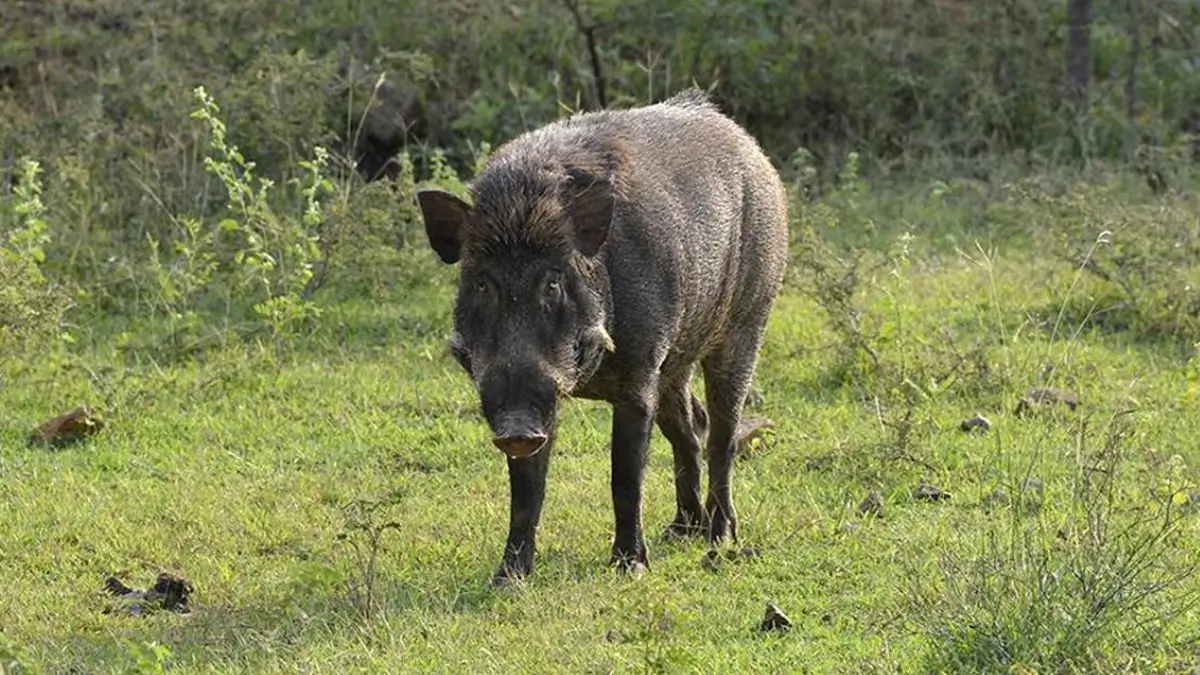
The Indian Council of Agricultural Research (ICAR) has successfully created the first homegrown vaccine for African Swine Fever (ASF) in the country. The official launch of the vaccine was done by the Union Agriculture Minister Shivraj Singh Chouhan, on ICAR Foundation Day 2026.
This homegrown vaccine is expected to enhance India’s biosecurity, save pigs from dying, and enable thousands of pig farmers to get sustenance from their income, especially in the North-Eastern states where the African Swine Fever has been a cause of considerable devastation since the year 2020.
First Indigenous African Swine Fever Vaccine by India
Indian scientists came up with the country’s very first live attenuated African swine fever vaccine made from MA-104 cell line at ICAR–National Institute of High Security Animal Diseases (ICAR-NIHSAD), Bhopal.
This particular vaccine takes the nation one step closer to Atmanirbhar Bharat in the veterinary vaccine production field. This vaccine uses an innovative type of a weakened virus responsible for ASF made in a unique way through gene deletions, ensuring that it can be effectively produced on a large scale.
This achievement allows India to put itself amongst a few nations capable of crafting an efficient ASF vaccine and become a dependable supplier of affordable veterinary vaccines on an international scale.
What is African Swine Fever (ASF)?
African Swine Fever (ASF) is a serious contagious disease that affects domestic pigs and all types of wild pigs. The ASF virus is responsible for the disease and has been classified among the worst animal diseases in the world.
The disease is known for the following signs,
- High fever
- Hemorrhages
- General weakness
- Loss of appetite
- High rate of mortality that may go up to 100 %
Even though ASF does not affect man and does not raise food safety issues, it can kill whole lists of pigs, causing serious economic troubles for farmers and the entire livestock sector.
ASF Outbreaks in India
African Swine Fever was first diagnosed in India in the year 2020.
Since then, the outbreak has spread to various union territories and states, particularly the North-Eastern region where pig farming is a vital source of income.
In the lack of an approved vaccine for the disease, its control has had to resort to,
- Quick diagnosis
- Destruction of infected pigs
- Stringent movement control measures
- Improved biosecurity of farms
But despite such measures, the outbreaks have affected pig farming greatly.
Economic Impact of ASF in India
The disease has inflicted heavy financial losses on the nation at large.
Some major estimates include: Assam (2020-2021) losses close to ₹276 crore due to the death and culling of pigs. Mizoram (until 2025) More than 11,382 households affected with the loss amounting to nearly ₹982 crore.
The repeated outbreaks have pointed to the urgent necessity of having an effective indigenous vaccine to save the pig farming industry of the country.
Safety and Field Testing
Before being made available to the public, the vaccine has gone through thorough scientific scrutiny. Some of the tests that the vaccine has successfully passed are,
- Sterilization
- Purification
- Safety
- Genetic stability
- Immunogenicity
- Protective efficacy
- Reversion in virulence.
In addition, the partnership with the Department of Animal Husbandry and Dairying (DAHD) in the Ministry of Fisheries, Animal Husbandry, and Dairying has helped conduct field studies of the vaccine.
Vaccination Schedule
The recommendations for this vaccine include its use in,
- Healthy pigs aged above 8 weeks
Dosage,
- By means of intramuscular injection of 1 ml
- A booster dose should be given after 14 days of the first dose
Notably, this vaccination should confer protection from the African swine fever.








 Ebola Vaccine Trial Begins in DR Congo: ...
 ISRO to Have Four Functional Launch Pads...
 ISRO to Launch NVS-03 Navigation Satelli...










